Key Takeaways
- Hybrid work models have increased demand for homes with dedicated office spaces.
- Suburban and rural areas are experiencing a surge in popularity due to the flexibility of remote work.
- Technological infrastructure, such as high-speed internet, has become a critical consideration in home selection.
- Homebuyers are prioritizing properties with adaptable spaces to accommodate work and leisure activities.
The rapid growth of hybrid work models has dramatically changed what homebuyers are seeking. As remote and flexible work arrangements become a permanent part of many professionals’ lives, homebuyers are rethinking their priorities and the features they want most in a property. Buyers now consider not just the location but also how well a home supports productivity, comfort, and a balanced lifestyle. For those exploring new neighborhoods or seeking more space, options like homes for sale in Evanston offer plenty of opportunities to find a home that supports both professional and personal needs.
Hybrid work has pushed homebuyers to favor practical layouts, more space, and greater flexibility, prompting a widespread reassessment of living environments. No longer tied to urban centers or long commutes, buyers can prioritize larger lots, quieter neighborhoods, and homes with multiple adaptable spaces. Factors such as high-speed internet access, more functional layouts, and proximity to amenities are now major considerations guiding people’s decisions in a rapidly changing real estate market.
Demand for Home Offices
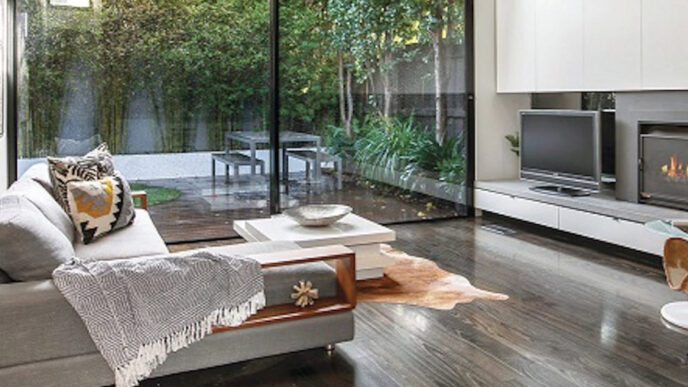
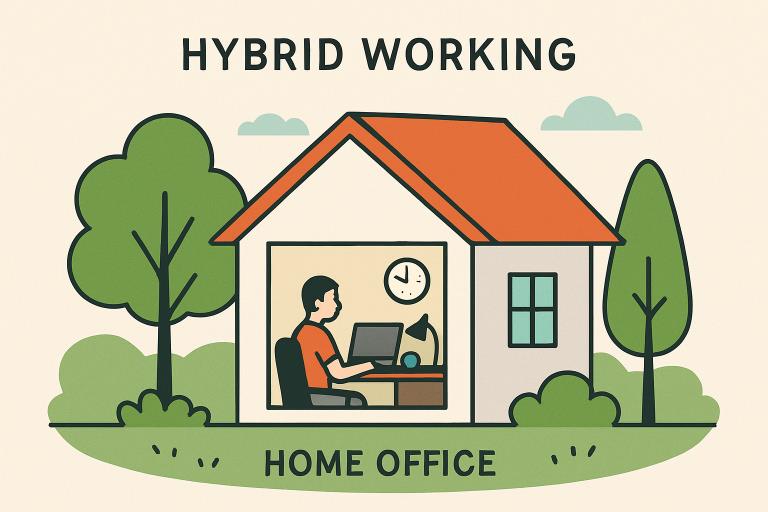
As hybrid and remote work have taken hold across many industries, dedicated office spaces have shifted from coveted perks to essential features in buyers’ eyes. Having a separate, quiet area where work can be done away from the hustle and bustle of daily life is now a top priority. Homebuyers scrutinize floor plans for bonus rooms, dens, finished basements, or even large closets that could be repurposed as home offices. Many also seek rooms with large windows for natural light, soundproofing options, and a reliable power supply to support long hours of work or video meetings.
Migration to Suburban and Rural Areas
Untethered from the need to commute every day, many buyers are venturing beyond city limits to find new homes in suburban or rural locations. These areas typically offer more square footage, larger yards, better access to nature, and a quieter pace of life. According to a recent analysis by The New York Times, many metropolitan homebuyers are drawn to these regions in search of a higher quality of life and more value for their investment, further fueling demand outside traditional urban hubs.
This migration trend has contributed to a demographic transformation in many outlying communities. Growing populations are bringing renewed vibrancy, increased demand for local services, and new cultural influences as remote workers settle in for the long term.
Importance of Technological Infrastructure
Reliable, high-speed internet access is non-negotiable for today’s homebuyers, and inadequate connectivity can be a deal-breaker. As video conferencing, file sharing, and cloud-based software become fundamental tools, buyers are prioritizing homes with fiber-optic or broadband internet access, robust Wi-Fi coverage, and smart home upgrades. Features such as pre-wired Ethernet ports, home automation, and backup generators are increasingly desirable for those who plan to spend significant time working from home.
For many, these technology upgrades aren’t “extras” they’re crucial infrastructure to support both work and leisure activities. According to CNN, access to fast internet is now among the top factors influencing buyers’ decisions to purchase or pass on a home, especially in previously overlooked rural markets.
Adaptable and Multi-Functional Spaces
Flexibility has become a defining characteristic of modern home design. Buyers are increasingly attracted to floor plans that offer multi-use rooms, sliding walls, finished attics, or even outdoor living areas that double as workspaces. These adaptable spaces allow residents to seamlessly transition between remote work, exercise, family time, and relaxation.
Outdoor Living and Lifestyle Enhancement
In addition to indoor versatility, many buyers are seeking properties with outdoor amenities, such as patios, gardens, or outbuildings. These spaces can serve as an extension of the workspace or provide a peaceful retreat to unwind after a busy day. As a result, homes with covered decks, landscaped yards, or convertible garages are commanding premium prices and attention in today’s market.
Impact on Real Estate Market Trends
The growing preference for hybrid work has reshaped regional real estate dynamics. Once in high demand, urban condos and apartments have seen slower growth or price reductions, while single-family homes and larger properties outside the city have soared in value. Increased competition in suburban and rural areas is pushing prices upward, leading to faster transactions and, in some cases, bidding wars. As employers continue to support hybrid work, these trends are anticipated to persist, influencing market cycles for the foreseeable future.
Environmental and Sustainability Considerations
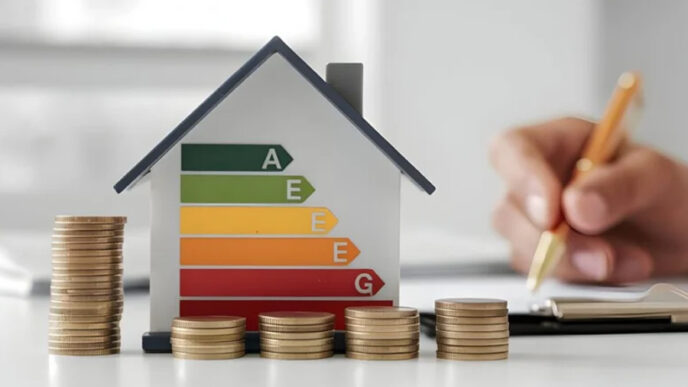
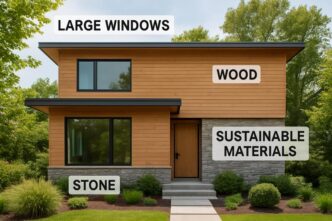
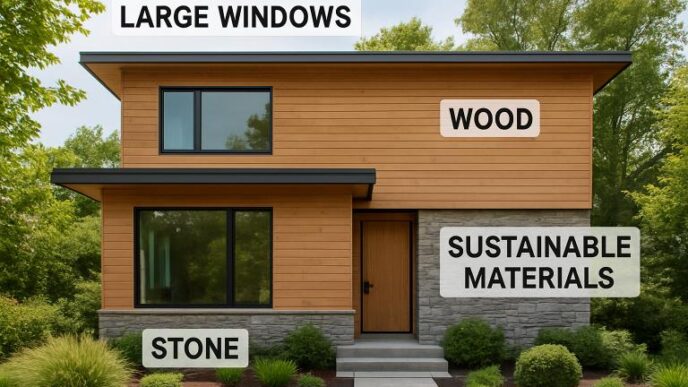
One of the indirect benefits of remote work and hybrid schedules has been a measurable reduction in commuting, which means less time spent driving and lower carbon emissions. In addition to environmental gains, buyers are now placing a stronger emphasis on sustainability features, requesting energy-efficient appliances, solar panels, better insulation, and homes built with eco-friendly materials. These preferences align with a growing national focus on environmentally responsible living and sustainable community design.
As more people adopt environmentally conscious habits, the demand for green homes and walkable neighborhoods is likely to continue, helping drive broader sustainability trends within the real estate market and beyond.
Conclusion
Hybrid work has fundamentally changed what individuals expect from their homes. New priorities, ranging from home office setups to flexible, connected living spaces, are guiding buyers’ decision-making at every level of the market. As the landscape continues to evolve, staying current with these preferences will be critical for both buyers and sellers seeking to make informed, future-proof real estate choices.