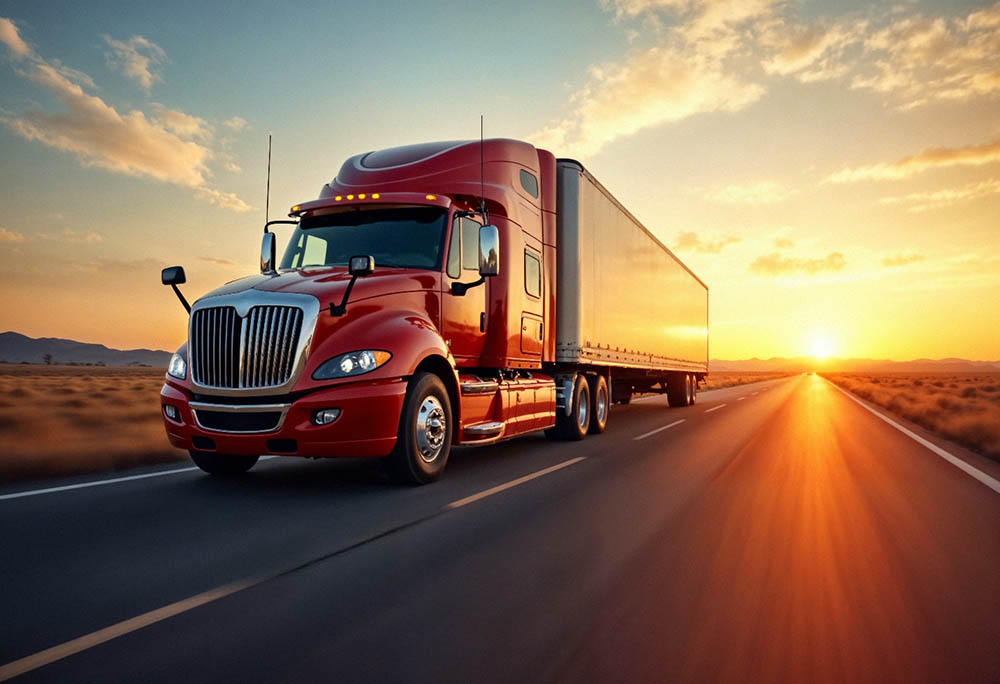
Semi-truck accidents aren’t just bigger car crashes. They’re a whole different ballgame. The differences start with the size and weight. A regular car weighs about 3,000 to 4,000 pounds. A semi-truck weighs tens of thousands. That makes a huge difference in the force of a crash.
When a car meets a semi, it’s not even close. The car gets crushed. The truck keeps going mostly unaffected. That’s why accidents with 18-wheelers usually cause worse injuries and more property damage.
The Core Differences in Semi-Truck and Regular Road Accidents
Size and Weight
The biggest difference is the size. A semi can weigh up to 80,000 pounds when fully loaded. A car is tiny in comparison. When a collision happens, that weight difference makes the crash far more dangerous.
- Cars get demolished.
- Injuries are usually severe or fatal.
- Even low-speed collisions can hurt a lot.
Regular car accidents don’t have that massive imbalance. Injuries happen, but they’re usually less catastrophic.
Extent of Injuries
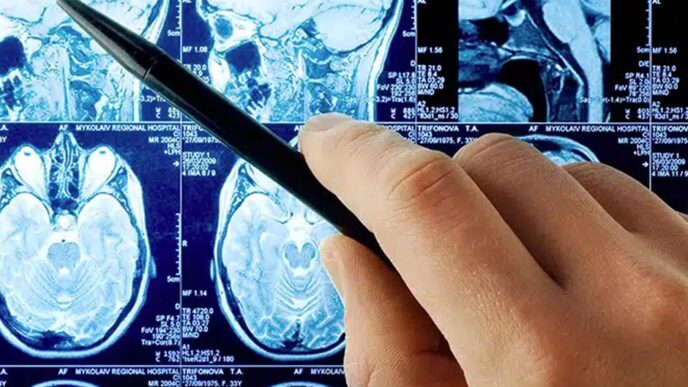
Because trucks are so big and heavy, the injuries are often severe. People may suffer:
- Broken bones
- Head injuries
- Spine injuries
- Internal injuries
- Long-term pain
- Permanent disabilities
In car accidents, people might walk away sore. In truck accidents, people often need surgery, long hospital stays, and months or years of recovery.
Some people never fully recover from these semi-truck accidents.
Federal Rules and Regulations
Truck drivers follow rules; cars don’t. Federal rules cover driving hours, breaks, maintenance, load limits, and safety checks.
- Truck drivers can only drive so many hours before taking a break.
- Trucks get inspected frequently for brakes, tires, and steering.
Regular cars don’t have that level of regulation. That adds a legal difference when accidents happen. Violating truck rules can make the driver or company liable.
Multiple Parties Can Be Liable
In a car crash, it’s usually one driver at fault. In a truck accident, it’s more complicated.
- The driver might be at fault.
- The trucking company might be responsible.
- The truck manufacturer or maintenance company could share blame.
- Sometimes, even the government is partly responsible if the road is unsafe.
That doesn’t usually happen in car accidents. That’s why truck accidents take longer to sort out legally.
Evidence and Investigation
Cars usually have dash cams or eyewitnesses. Trucks, on the other hand, have black boxes, maintenance logs, driver schedules, cargo records, and a few others.
Most of that evidence belongs to the trucking company. If no one asks for it quickly, it can be erased, lost, or destroyed. Some records are only kept for a short time. Once they’re gone, they’re gone.
That makes truck accidents very different from car accidents, where the evidence is usually easy to see right away.
Insurance Differences
Insurance is different, too. A semi-truck often has commercial policies, sometimes more than one. The truck, the trailer, the driver, and the company might all have separate coverages for themselves.
That’s not like a car accident, where there’s usually just one policy. It means negotiating a claim takes more time and skill.
Truck insurance companies are also very experienced. They deal with serious accidents all the time. They don’t rush to help. They try to protect themselves first.
That’s very different from regular car insurance claims.
Extent of Property Damage
When a truck crashes, it doesn’t just damage one car. It might destroy several cars. It might ruin the road. It might knock down signs or barriers. It might spill cargo everywhere.
Cleaning up a truck accident can take hours or even days. Roads get shut down. Traffic backs up for miles.
That kind of damage doesn’t usually happen in regular car crashes.
Key Differences in a Nutshell
- Trucks are way heavier than cars, so crashes are worse.
- Trucks can’t stop or turn as easily.
- Federal truck rules add legal complexity.
- Multiple people or companies can be at fault.
- Injuries are often much more severe.
- Property damage is bigger.
- Evidence is harder to get and more important.