Cleanliness plays a crucial role in how a business functions and how it is perceived by both staff and clients and customers. A clean workplace is not just visually appealing but also supports employee health, productivity, customer trust, and business reputation.
However, one common question many business owners ask is: How often should commercial cleaning services be scheduled?
The fact is, there is no one-size-fits-all answer. The right cleaning frequency depends on various factors, including the type of business, foot traffic, industry standards, and specific cleaning needs. In this blog, we will share how often a business should schedule cleaning services and what factors affect this frequency.
Why Commercial Cleaning Is Important
Before discussing frequency, it’s important to understand why commercial cleaning matters. Commercial spaces are used daily by employees, customers, visitors, and other people. This constant activity leads to the buildup of dust, dirt, germs, and bacteria. Without proper commercial cleaning, these contaminants can affect indoor air quality, cause unpleasant odours, and increase the risk of illness.
On the other hand, a clean and hygienic space reflects professionalism. Whether it is an office, retail store, or healthcare facility, cleanliness creates a positive first impression. People are more likely to trust and return to businesses that appear well-maintained.
In simple words, regular commercial cleaning:
- Reduces the spread of germs and illnesses
- Improves indoor air quality
- Creates a positive impression on clients and visitors
- Boosts employee morale and productivity
- Helps maintain furniture, flooring, and fixtures
- Ensures compliance with health and safety regulations
A well-planned cleaning schedule and the right equipment for commercial cleaning keep your workplace hygienic, professional, and welcoming at all times.
Factors That Determine Cleaning Frequency
Several factors influence how often a business should schedule professional cleaning services.
Type of Business
The first and most important factor is the type of business. Offices, hospitals, restaurants, schools, hotels, retail stores, and gyms all have very different cleaning needs. For example, a healthcare facility requires daily sanitization, while a small office may not need that level of attention. So, the frequency mainly depends on the business type.
Foot Traffic
Foot traffic plays a major role in deciding how often a business should schedule commercial cleaning services. Businesses with high foot traffic (number of visitors every day) accumulate dirt, dust, and germs much faster than businesses with low foot traffic. This clearly means areas with high foot traffic need more frequent cleaning.
Number of Employees and Size of the Space
The number of employees and the size of the space affect how quickly dirt builds up. More employees mean greater use of shared areas like desks, restrooms, and break rooms, which require frequent cleaning to prevent the spread of germs. Larger and busier workplaces also need more regular cleaning to stay hygienic.
Health and Safety Requirements
Another important factor is health and safety regulations. Certain industries, such as food service, healthcare, and childcare, must meet strict hygiene standards. These regulations often require more frequent, thorough, and specialized cleaning to prevent contamination, reduce health risks, and ensure compliance with industry guidelines.
Recommended Cleaning Frequency by Business Type
Different businesses have different cleaning needs. Here are the recommended cleaning frequencies for the most common business types.
Office Spaces
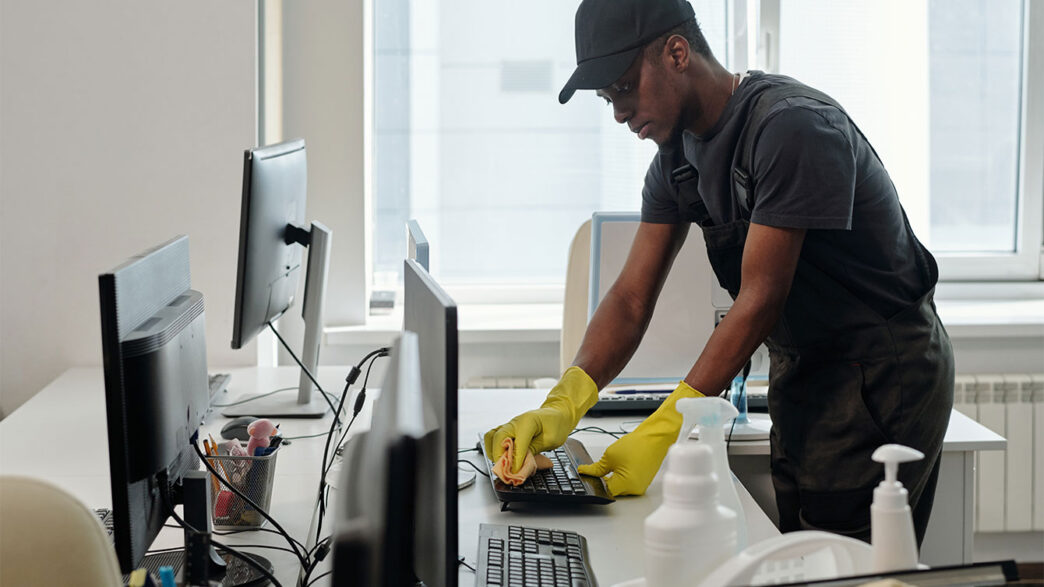
For most offices, commercial cleaning three to five times a week is sufficient. This frequency helps keep workstations, floors, and common areas clean without being excessive. However, large corporate offices or shared workspaces may require daily cleaning due to higher employee density and shared facilities. Break rooms, meeting rooms, and restrooms need frequent attention to maintain hygiene.
Retail Stores and Showrooms
Retail stores and showrooms have high foot traffic, and customers judge a store within seconds of entering. Dirty floors, dusty shelves, bad odour, or stained glass can drive customers away. This means they require daily commercial cleaning, especially for floors, entrances, trial rooms, display shelves, and restrooms. A clean store improves customer experience and encourages longer visits.
Restaurants and Cafés
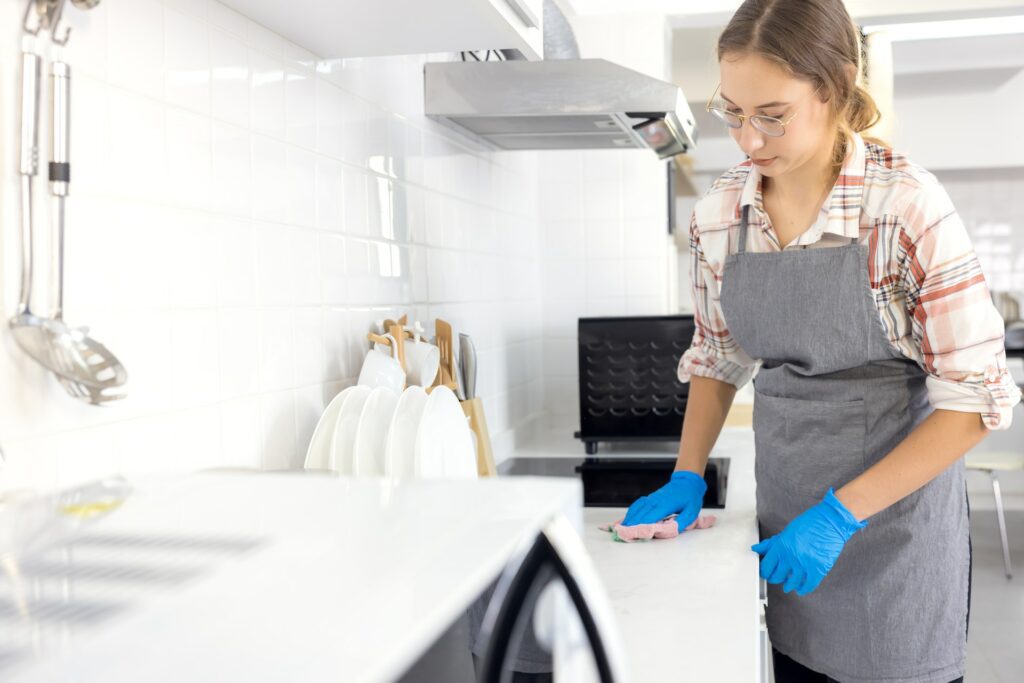
Food businesses require the highest level of cleanliness to prevent contamination. Therefore, restaurants and cafes require daily cleaning, often multiple times a day, and deep commercial cleaning weekly or monthly. Key areas include kitchen and food prep areas, dining tables and chairs, restrooms, floors, drains, and waste disposal areas. Daily cleaning ensures all areas remain safe and compliant with food safety standards.
Healthcare Facilities
In healthcare facilities, hygiene and cleanliness are paramount and non-negotiable. These environments require strict cleaning protocols. So, hospitals, clinics, and labs need daily cleaning with frequent disinfection. High-touch areas need cleaning multiple times per day to prevent the spread of infections and ensure safety. Critical areas include patient rooms, waiting areas, restrooms, medical equipment surfaces, and reception desks.
Schools and Educational Institutions
Schools and educational institutions have high foot traffic and larger areas. Plus, children and students are more vulnerable to infections and illness. Therefore, they require basic daily cleaning and deep commercial cleaning during weekends or holidays. Focus areas include classrooms, washrooms, labs, cafeterias, play areas, desks and chairs, and doors.
Gyms and Fitness Centres
Gyms are high-risk areas due to sweat, shared equipment, and close contact. For this reason, they require daily commercial cleaning and disinfection multiple times a day. High-touch surfaces such as workout machines, weights, mats, lockers, and changing rooms must be cleaned frequently. Regular cleaning helps control odours, prevent the spread of germs, and ensure a safe and hygienic workout environment for members.
Hotels and Hospitality Businesses
Just like restaurants, hotels, and hospitality businesses depend heavily on guest satisfaction. Cleanliness is one of the first things guests notice and plays a major role in shaping their overall experience. Hotels require daily cleaning and weekly deep commercial cleaning to maintain hygiene, ensure comfort, and leave a lasting positive impression on guests. Key areas include guest rooms, lobbies, elevators, dining areas, and washrooms.
Industrial & Warehouse Spaces
Warehouses may not need daily cleaning, but dust and debris can build up quickly, making weekly or bi-weekly commercial cleaning essential. High-traffic industrial environments may also require spot cleaning on a daily basis. Key areas to focus on include loading docks, storage racks, floors, high-traffic pathways, and common workspaces to maintain safety and efficiency.
Conclusion
Scheduling commercial cleaning services at the right frequency is essential for maintaining a clean, healthy, and professional environment. While some businesses require daily cleaning due to high traffic or strict hygiene standards, others can operate effectively with weekly or periodic cleaning. The exact frequency depends on your business type, size, foot traffic, and hygiene requirements. Plan your next commercial cleaning service accordingly to ensure a safe and welcoming space for employees and visitors.