Trees are one of the most visible and lasting parts of any property. They provide shade, beauty, structure, and value. Yet, many homeowners underestimate the importance of consistent tree care throughout the year. Healthy, well-maintained trees not only boost curb appeal but also reduce safety risks and long-term maintenance costs. One of the most effective ways to keep trees thriving in every season is through a professional tree fertilization service.
Why Tree Health Matters Year-Round
Unlike seasonal flowers or temporary landscaping features, trees are permanent fixtures. They grow slowly, respond gradually to care, and show signs of stress only after damage has already begun, shares Dawson, a reputable Harrisburg Property Management company. That is why consistent, proactive care is essential.
When a tree is neglected, it becomes more vulnerable to pests, disease, and environmental stress. Dry spells, extreme cold, compacted soil, or poor drainage can all weaken a tree’s defenses. Over time, this may lead to dieback, structural instability, or even full tree loss.
On the other hand, regular care helps trees grow stronger, live longer, and contribute more to the property’s beauty and comfort.
Spring: Encouraging Strong New Growth
Spring is when trees awaken from winter dormancy. During this time, trees begin to grow new leaves, expand roots, and prepare for summer.
This is an ideal time to:
- Inspect trees for winter damage or disease
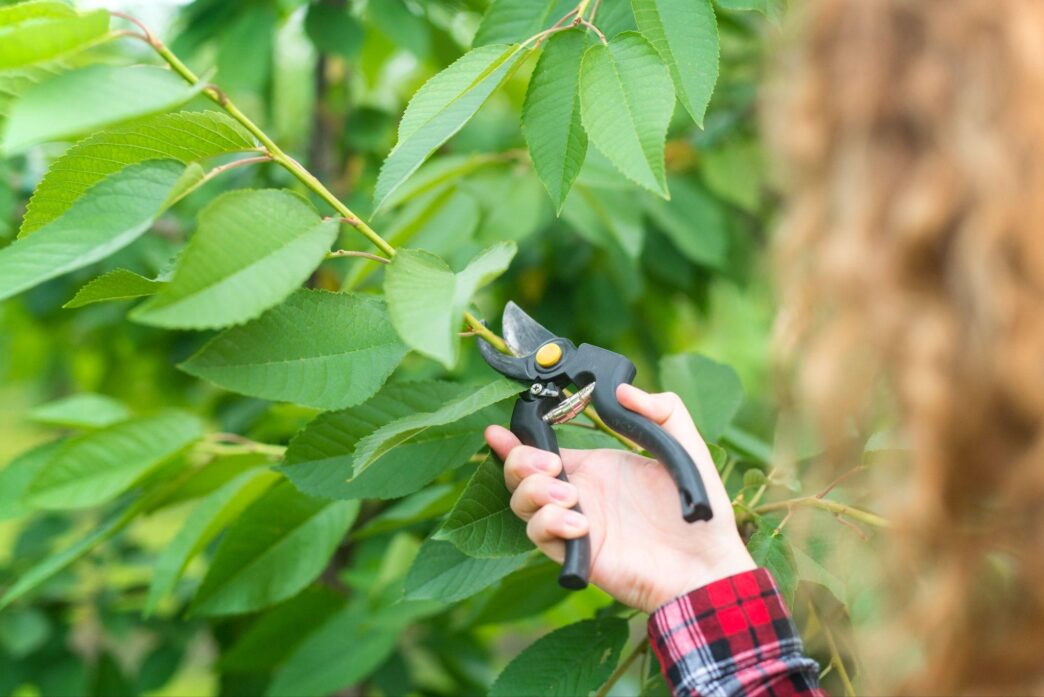
- Prune dead or damaged branches
- Apply fertilizer to support early root and canopy development
- Refresh mulch and improve soil structure
Fertilizing in spring gives trees the nutrients they need for healthy leaf and shoot growth. A targeted approach can also correct soil imbalances and encourage stronger roots.
Summer: Managing Stress and Supporting Resilience
Hot weather places significant stress on trees, especially younger or newly planted ones. High temperatures can reduce moisture in the soil, limit nutrient uptake, and increase vulnerability to insects or pathogens.
Mid-summer tree care may include:
- Deep watering during dry periods
- Monitoring for pests like aphids or mites
- Avoiding aggressive pruning or trimming
- Continuing nutrient support with slow-release fertilizer where appropriate
Keeping trees hydrated and nourished helps them maintain vigor throughout the heat. Proper care in summer prevents visible decline and prepares trees to handle changing weather conditions more effectively.
Fall: Preparing for Dormancy
Fall is one of the most important times to care for trees. As growth slows and leaves begin to fall, trees store energy in their roots to survive winter. Fertilization during this time strengthens root systems and helps trees recover from summer stress.
Best practices include:
- Applying root-strengthening fertilizer
- Clearing fallen leaves and debris
- Mulching to retain warmth and moisture
- Pruning to remove damaged limbs before snow load risks
Trees that are supported in fall often emerge healthier in spring. Their improved root systems allow better nutrient uptake and greater overall resilience.
Winter: Planning and Protection
While most tree activity slows during winter, this season offers valuable opportunities for planning and preventative care.
Winter tree care may involve:
- Structural pruning for shape and safety
- Inspecting for pests or disease on dormant branches
- Evaluating the need for cabling or bracing
- Scheduling fertilization or soil testing for early spring
By assessing tree condition in winter, property owners can identify weak points and make plans for seasonal improvements. This quiet time also allows more room for crews to work safely without damaging surrounding plants or structures.
The Role of Fertilization in Tree Longevity
Trees in natural forests draw nutrients from a full, living ecosystem. In residential and commercial landscapes, they often grow in compacted, nutrient-poor soils. Leaves are raked, debris is removed, and competition from turfgrass or construction can stress trees.
That is why fertilization is essential. It replaces nutrients that are missing from the soil and gives trees the fuel to grow strong, resist pests, and stay healthy longer.
Professional fertilization is not one-size-fits-all. It involves testing the soil, identifying deficiencies, and selecting the right nutrients in the right form. Applying fertilizer at the wrong time, in the wrong amount, or with the wrong method can do more harm than good. This is why working with trained arborists matters.
A Property Investment That Grows Over Time
Trees are among the few parts of a property that increase in value as they age. A mature, healthy tree can raise property values, lower energy costs, and make a home or business feel more welcoming.
Seasonal care, including expert fertilization, keeps this natural investment in top condition. It helps trees stay safe, strong, and beautiful through every season.
For property owners looking to support long-term landscape health, a smart plan begins with understanding what trees need and when they need it — and taking action accordingly.