Key Takeaways
- AI-driven automation and data analytics are reducing hiring timelines and improving the quality of hires.
- Remote work technologies have broadened access to international talent pools.
- There is an increasing focus on practical skills and hands-on experience rather than on formal degrees.
- Technology plays a vital part in advancing diversity, equity, and inclusion during recruitment.
In the fast-paced landscape of today’s labor market, the impact of technology on talent acquisition is nothing short of revolutionary. Recruitment, once dominated by manual processes and face-to-face interviews, has undergone a seismic shift. As organizations strive to remain competitive, innovative solutions continue to transform how companies attract, assess, and onboard the best candidates. Whether through smart job matching algorithms or virtual assessment centers, technology is changing every touchpoint of recruitment. With the emergence of artificial intelligence, remote work platforms, and advanced digital tools, recruitment has evolved from a labor-intensive, time-consuming process into a streamlined experience for both employers and candidates. Leading ATS companies are at the forefront of this change, providing platforms that simplify hiring and drive better outcomes for organizations of all sizes, from nimble startups to multinational corporations.
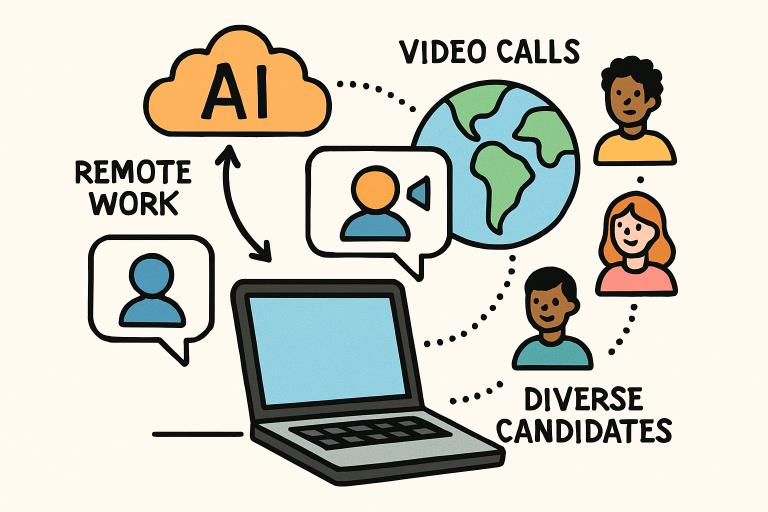
Innovations in recruitment have transformed candidate sourcing, allowing firms to access a wider talent pool, enhance inclusion, and align skills with organizational needs. AI tools analyze thousands of candidates quickly, enabling automated screening and global virtual interviews, resulting in faster, fairer hiring decisions. Standard practices such as video conferencing and digital onboarding promote a more accessible, candidate-friendly experience. As organizations adopt these technologies, the future of talent acquisition becomes more agile and candidate-centered, with continuous evolution anticipated.
AI and Automation in Recruitment
The introduction of AI-powered recruitment tools has fundamentally altered the traditional hiring process. By leveraging artificial intelligence, recruiters can automate repetitive, time-consuming tasks such as resume parsing, candidate scoring, and communication scheduling. Modern applicant tracking systems seamlessly integrate with other HR technologies, enabling a holistic view of the talent pipeline at every stage. Using natural language processing and intelligent parsing, even the most complex candidate applications can be quickly analyzed and sorted by job requirements.
Predictive analytics are proving invaluable to organizations as they anticipate hiring needs, compare candidate profiles, and identify skill gaps that may affect business objectives. By analyzing vast amounts of historical recruitment data, these solutions can forecast future trends and make personalized recommendations, ensuring better job fits. Organizations that leverage these data-driven insights can reduce time-to-hire, minimize manual errors, and make more strategic, evidence-based hiring decisions. Companies that invest in AI for recruitment are already seeing significant improvements in both recruiter productivity and candidate experience. As machine learning solutions continue to improve, expect even more precise candidate recommendations and proactive outreach based on fit and potential.
Remote Work and Accessing Global Talent
The rise of remote and hybrid work models has dissolved geographic boundaries, enabling companies to tap into talent from locations once considered inaccessible. Rather than being limited by city or country, employers can now recruit globally, fostering multilingual, multicultural teams that drive creativity and business growth. This capability allows organizations to build more diverse teams, increase innovation, and improve organizational resilience in an ever-changing market. Collaborative digital platforms, cloud-based interviewing tools, and asynchronous communication channels facilitate seamless interactions between candidates and hiring teams regardless of location, ensuring everyone stays connected and informed throughout the process.
With robust digital infrastructure, businesses can extend their reach and support every stage of recruitment and onboarding with ease. Flexible arrangements such as contract-based projects and remote part-time roles further open doors for professionals with diverse backgrounds or non-traditional career paths. This has been a game-changer for companies seeking specialized skills that may be scarce in their immediate region. As noted by Forbes, remote work trends are not only expanding talent access but are also driving organizational transformation and adaptability. The tools that facilitate remote recruitment, from skills assessments to digital onboarding, are now critical to ensuring successful integration and collaboration, even across time zones.
Shifting Focus: Skills Over Degrees
Modern organizations are shifting their attention from traditional degree requirements to a more nuanced evaluation of candidates’ capabilities. This trend is largely driven by the rapidly evolving skill sets required to address today’s business challenges, where adaptability, creative problem-solving, and technical expertise often translate into greater success than academic credentials alone. Technology is enabling organizations to hone practical, real-world skills through dynamic testing and portfolio reviews.
Pioneering assessment tools allow recruiters to evaluate skills through online simulations, real-world challenges, and micro-credentials that provide tangible proof of ability. Some companies now even design their own custom challenges or hackathons to find the best-fit candidates for technical roles. Through these methods, businesses open opportunities to a more diverse candidate pool, ensure a closer alignment between job requirements and applicant talent, and promote fairer, merit-based assessments. Emphasizing up-to-date skills rather than static degrees makes recruitment more agile, helping organizations quickly adapt to changes in demand and technology.
Promoting Diversity, Equity, and Inclusion Initiatives
Efforts to create fairer workplaces have gained new momentum with the integration of technology into talent acquisition. Automated processes and structured interview frameworks minimize unconscious bias, ensuring candidates are evaluated on their potential, not their background. For instance, ‘blind hiring’ features within many digital platforms can remove names and demographic information from initial application reviews, giving all candidates an equitable starting point. These technologies also enable companies to anonymize candidate profiles throughout the hiring process, further reducing the chances of bias and discrimination.
This tech-driven approach empowers firms to champion diversity, equity, and inclusion in tangible ways, helping to foster teams that are representative of broader communities and capable of more creative, innovative problem-solving. Many tools now offer analytics to track DEI goals, identify gaps in recruitment or advancement, and provide actionable insights, ensuring that progress towards equity is measurable and ongoing. As a result, organizations are not only enhancing fairness but also strengthening their culture and reputation as forward-thinking employers.
Conclusion
The digital transformation sweeping talent acquisition is raising the bar for how organizations attract and select top talent. AI-driven automation, remote collaboration tools, a greater emphasis on demonstrable skills, and equity-focused technology are creating fairer, more effective hiring processes. Companies that invest in the right recruitment technology can dramatically reduce hiring costs while improving candidate quality and experience. As businesses adapt to this new landscape, those who embrace cutting-edge recruitment technologies will not only secure better candidates but also position themselves as employers of choice in a highly competitive job market. From predictive analytics to remote interviews and AI-powered assessments, the future of talent acquisition is unfolding, and technology is at its core, promising even more innovations ahead.