Power tools play an important role in everyday repairs, home improvement projects, and professional trade work. From assembling furniture to building decks or maintaining outdoor spaces, the right tool can make tasks faster, safer, and more precise. As more people turn to online shopping, the way power tools are researched and purchased has changed significantly.
Online stores now offer access to a wide range of power tools online, along with detailed descriptions and user feedback. This guide explores the different types of power tools available online and explains how to choose options that suit your needs without being overwhelmed by choice.
Why People Choose to Buy Power Tools Online
Buying power tools online allows shoppers to explore far more options than a single physical store can usually offer. Online platforms make it easier to compare models, features, and price points in one place. Many listings include technical details that help buyers understand what a tool is designed to do and what materials it can handle.
Another advantage is convenience. Instead of visiting multiple stores, users can research tools at their own pace. Customer reviews also provide insight into real-world performance, which can be especially helpful for first-time buyers. Online shopping also makes it easier to find newer models or specialised tools that may not be stocked locally.
Common Types of Power Tools Found Online
Drills and Drivers
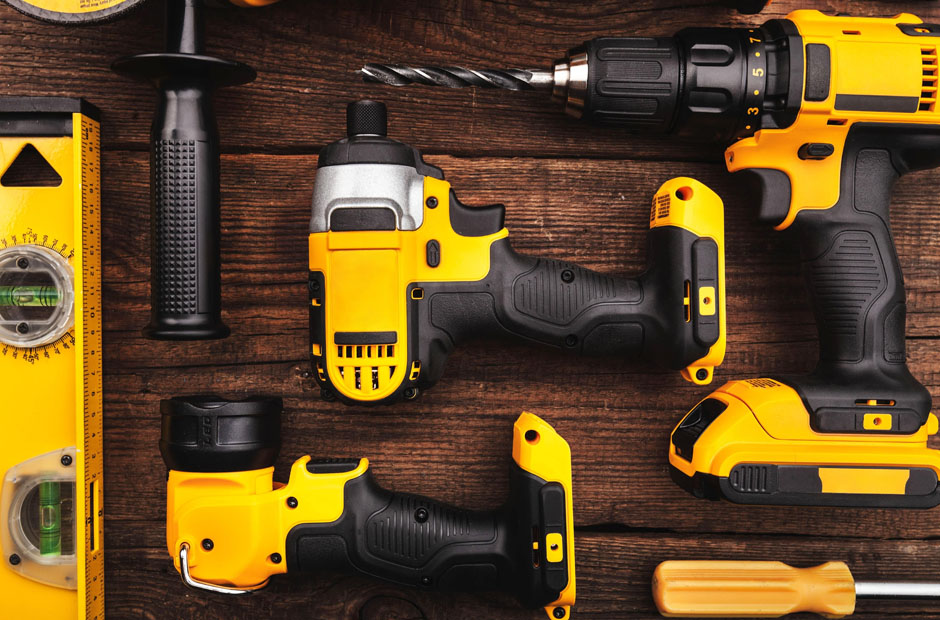
Drills are among the most commonly purchased power tools. They are used for drilling holes, driving screws, and light construction work. Cordless drills are popular for their portability, while corded drills are often chosen for tasks that require steady power over longer periods.
Impact drivers are designed to handle tougher fastening jobs. They deliver higher torque, which makes them useful for working with dense materials. When browsing online, pay attention to torque ratings, speed settings, and battery compatibility.
Cutting Tools and Saws
Saws are essential for cutting wood, metal, and other materials. Circular saws are widely used for straight cuts and larger projects. Jig saws are better suited for curved or detailed cutting. Reciprocating saws are often used for demolition or pruning tasks.
Online listings usually provide information about blade size, cutting depth, and suitable materials. Understanding these details helps ensure the saw matches the type of work you plan to do.
Sanding and Grinding Tools
Sanders and grinders are used to smooth surfaces, remove paint, or shape materials. Orbital sanders are commonly used for finishing wood surfaces. Belt sanders are more aggressive and suited for heavy material removal. Angle grinders can cut, grind, and polish depending on the disc used.
When comparing these tools online, look for variable speed options and dust control features, which can improve both results and comfort.
Outdoor Power Tools
Many online platforms offer power tools designed for outdoor maintenance. These include chainsaws, hedge trimmers, leaf blowers, and lawn mowers. Battery-powered options have become increasingly popular because they are quieter and easier to maintain.
Important factors to review online include cutting capacity, runtime, weight, and balance. These details help determine whether a tool is suitable for smaller yards or more demanding outdoor tasks.
Specialty and Trade Tools
Specialty tools are designed for specific jobs and are often easier to find online than in local stores. Examples include rotary hammers, planers, tile cutters, and multi-tools. These tools are usually chosen by users with particular project needs.
Because specialty tools can be more complex, it is useful to read reviews and check detailed specifications before purchasing.
Key Features to Review Before Buying
Power Source Options
Power tools generally fall into three categories based on power source. Corded tools provide consistent power but require access to an outlet. Cordless tools offer flexibility and are ideal for working in different locations. Pneumatic tools use compressed air and are common in workshop settings.
Choosing the right power source depends on how often and where the tool will be used.
Batteries and Charging Systems
For cordless tools, battery performance is a key consideration. Voltage and capacity affect both power and runtime. Many online shoppers prefer tools that use a shared battery system across multiple tools.
Charging time and the availability of replacement batteries are also worth reviewing when browsing online.
Comfort and Safety Features
Ergonomics and safety are important, especially for longer jobs. Online descriptions often mention grip design, weight balance, and safety features such as blade guards or automatic shut-off systems. These details help reduce fatigue and improve control during use.
Warranty and Product Support
Warranty information is usually listed online and can vary between manufacturers. A clear warranty offers peace of mind and reflects product quality. Some listings also provide access to manuals, setup guides, and maintenance tips.
Tips for Comparing Power Tools Online
Start by clearly defining the task you need to complete. Use filters to narrow options by tool type, price, and power source. Read multiple reviews to identify consistent feedback rather than focusing on a single opinion.
Comparing specifications side by side can also help highlight differences in power, weight, and included accessories. Taking time to research reduces the chance of buying a tool that does not meet your expectations.
Conclusion
Exploring power tools online gives buyers access to an extensive range of options suited to different skill levels and project types. By understanding common tool categories, reviewing key features, and carefully comparing products, shoppers can make informed decisions with confidence. Whether tackling simple home repairs or larger projects, choosing the right power tool starts with clear research and a good understanding of what each tool is designed to do.