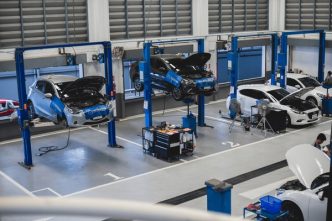
Do you ever worry about how long your car will last? Whether you’re driving a brand-new European model or a well-loved vehicle, the goal is often the same: keeping it running smoothly for as long as possible. With cars being such an essential part of our daily lives, it makes sense to take steps that help extend their life. That includes everything from regular maintenance to paying attention to warning signs. This is true for all types of vehicles—whether it’s a domestic brand or a European one.
In this blog, we will share simple and smart ways to help your car run like new for years to come.
Stick to a Regular Maintenance Schedule
Routine maintenance is one of the best ways to extend your car’s lifespan. This includes oil changes, tire rotations, brake inspections, and fluid checks. Your vehicle’s owner’s manual has a schedule you can follow, which lists when these services should be done. Sticking to this plan helps catch small issues before they become bank-breaking problems. It’s an easy way to protect your investment and enjoy a smoother driving experience.
Skipping maintenance may seem like a time-saver, but it can lead to bigger issues down the road. For example, ignoring oil changes can lead to engine damage, while driving with worn brakes can create safety risks. A little time and money spent now can save you much more later. Keep records of all services performed so you can stay on track and even help boost resale value if you decide to sell the car.
Choose the Right Mechanics and Services
Where you take your car for repairs matters. A certified mechanic who understands your type of vehicle will do a better job. This is especially true for imported models, including European ones. These cars often have different systems from American models, and a shop that specializes in European auto repair will know how to handle them properly. They’ll have the tools, training, and parts needed to do the job right the first time.
Using the wrong service center could lead to delays, misdiagnosed issues, or low-quality repairs. When looking for a repair shop, check reviews, ask for recommendations, and look for mechanics who are certified. You should also ask if they use original parts or quality aftermarket options. A trustworthy repair center will be happy to answer questions and help you understand the work being done. Having a skilled mechanic on your side can make a big difference in how well your car runs over the years.
Pay Attention to How You Drive
Your driving habits play a big role in how long your car lasts. Sudden stops, rapid acceleration, and rough handling wear out parts faster. Driving carefully, following speed limits, and avoiding potholes or rough roads can prevent a lot of damage. This kind of smart driving is not just good for safety—it’s great for your car’s long-term health.
Also, avoid letting your car sit unused for long periods. When cars are not driven often, parts like the battery and brakes can begin to fail. If you don’t drive daily, take your car out for a short trip every few days. Warm it up before long drives, and try to stay aware of how it sounds and feels while driving. These habits make a difference over time and can help avoid sudden repairs.
Keep It Clean Inside and Out
Regular cleaning might seem like just a cosmetic step, but it has long-term benefits. Washing your car removes dirt, road salt, and grime that can cause rust and wear. This is especially important if you live in an area with harsh winters or near the ocean, where salt exposure is more common. Waxing your car a few times a year adds extra protection to the paint.
Inside the car, clean and care for the seats, dashboard, and carpets. Use sunshades to protect the interior from UV damage and prevent fading or cracking. Vacuum regularly and wipe down surfaces to avoid buildup. Keeping your car clean can prevent wear and tear and make the driving experience more pleasant. It also adds to the vehicle’s resale value later on, making it a win for both looks and function.
Don’t Ignore Warning Signs
Strange sounds, warning lights, or changes in how your car drives should never be ignored. These signals often point to small problems that can grow bigger if not handled early. For example, a squealing noise might mean your brake pads are worn, while a blinking check engine light could signal something more serious. Waiting too long could lead to expensive repairs or breakdowns.
Pay attention to how your car normally feels and sounds so you can tell when something seems off. If you’re unsure about a warning light or noise, get it checked by a mechanic right away. Even if it turns out to be something minor, it’s better to be safe than sorry. Learning to catch problems early can save you money and keep your car in top shape for longer.
Replace Worn Parts Without Delay
Parts like brake pads, spark plugs, belts, and filters all wear down over time. Replacing them on time keeps your car running at its best. Some drivers wait too long to change parts to save money, but this can lead to damage in other systems. For example, a worn-out timing belt can cause serious engine trouble if it breaks while driving.
Don’t wait for parts to fail before you take action. Follow the maintenance guide in your manual or ask your mechanic for advice. Keep track of when you last replaced parts so you know when they’ll need attention again. Staying ahead of part wear will reduce the risk of unexpected breakdowns and help your car last longer.
Protect Your Car from Harsh Conditions
Weather and road conditions can have a big impact on your car’s health. In colder climates, ice and road salt can lead to rust and corrosion. In hot areas, strong sunlight can damage both the paint and the interior. Parking in a garage or shaded area helps protect your car from the elements.
If you don’t have access to covered parking, consider using a car cover. Also, check your car more often during extreme seasons. In winter, wash off salt frequently. In summer, check the cooling system and make sure your tires are properly inflated. Taking a few extra steps based on the weather can prevent damage and help keep your car running well throughout the year.
In conclusion, taking care of your car doesn’t have to be hard, but it does require attention and effort. Whether it’s keeping up with service appointments, driving responsibly, or getting small problems checked right away, every action makes a difference. Your car works hard for you, and giving it regular care is the best way to keep it going strong. Think about your daily habits and where you can make improvements. The time you put into your car now will reward you with years of smooth driving ahead.