In today’s ever-evolving digital economy, organizations are constantly striving to optimize their network architectures to keep pace with rapid technological change. Digital transformation efforts—such as SaaS adoption, hybrid cloud, and remote and hybrid work styles—have placed significant demands on legacy wide-area networks. The adoption of Software-Defined Wide Area Networking (SD-WAN) is driving a paradigm shift for IT leaders seeking agility, cost control, and security in this complex environment. For businesses evaluating their options, reviewing the offerings of SD-WAN providers is often the first step toward greater efficiency and scalability.
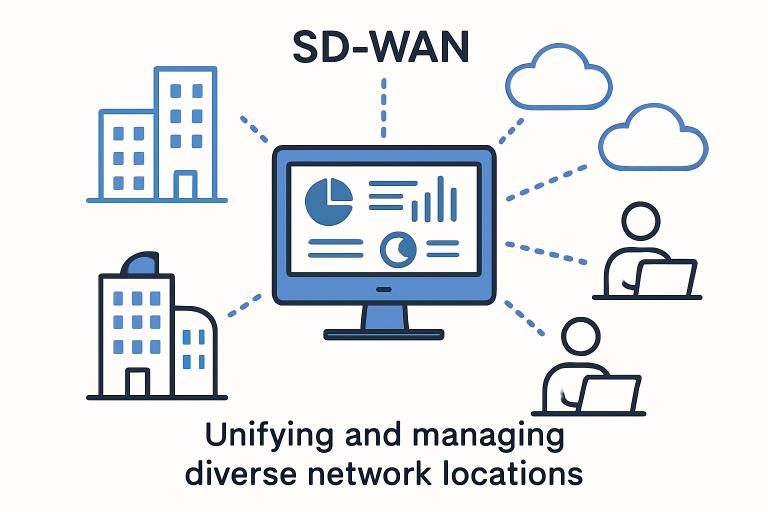
Through SD-WAN, companies gain centralized visibility and management across their entire network fabric, optimizing connectivity among offices, branches, and data centers, regardless of where users or applications reside. This means businesses can deliver a consistently high-quality user experience, streamline operations, and reduce spending, while also enhancing their ability to address modern cybersecurity threats and compliance requirements.
Crucially, SD-WAN helps bridge the gap between on-premises infrastructure and cloud services, empowering teams to move data securely and reliably. This is a transformative capability that empowers competitive advantage as enterprises adapt to distributed workforces and cloud-first strategies.
To fully realize the benefits of SD-WAN, decision makers must understand the technology’s principles, review key advantages, learn from real-world success stories, and evaluate integration, security, and future trends. With strategic adoption, SD-WAN enables scalable, resilient, and robust business networks.
Understanding SD-WAN
SD-WAN is a software-defined approach to managing wide-area networks that radically changes the traditional networking model. Instead of relying solely on expensive, rigid technologies such as MPLS, SD-WAN leverages a mix of connectivity options—including commodity broadband, LTE, and fiber—to route traffic based on business policies and real-time network conditions. This virtualized overlay enables IT administrators to deploy, manage, and optimize their network from a single, unified platform.
What sets SD-WAN apart is its decoupling of network management and control from the underlying physical connectivity. Network decisions are made through intelligent software, enhancing agility without sacrificing reliability or performance. This agility supports rapid expansion, multi-cloud environments, and changing business priorities.
Key Benefits of SD-WAN
- Cost Efficiency:By utilizing affordable network links alongside traditional circuits, SD-WAN minimizes the need for dedicated MPLS connections, resulting in significant savings for distributed organizations.
- Enhanced Performance:Through dynamic path selection and traffic prioritization, critical business applications receive the bandwidth and low latency required for excellent performance—vital for VoIP, video, and cloud-based services.
- Improved Security:SD-WAN integrates advanced security features, including traffic encryption and built-in firewalls, ensuring that all data transmitted across potentially insecure connections is protected.
- Scalability:The centralized, software-based control of SD-WAN simplifies onboarding of new users, locations, and services with minimal configuration or hardware updates.
Real-World Applications
Organizations in industries such as retail, healthcare, and logistics are deploying SD-WAN to achieve network modernization goals. For example, a multi-national supply chain enterprise streamlined network management and accelerated application performance by replacing its legacy WAN architecture with SD-WAN across regional offices and distribution centers. This led to simplified operations, reduced costs, and improved end-user satisfaction. Read more about organizations that have modernized with SD-WAN.
Integration with Cloud Services
One of SD-WAN’s most impactful strengths is its seamless integration with public and private cloud ecosystems. By providing direct, policy-driven pathways to cloud applications, SD-WAN ensures fast, secure user access, whether workloads reside in Microsoft Azure, AWS, Google Cloud, or on private infrastructure. This proactive routing not only bolsters cloud performance but also reduces backhauling and complex workflows often associated with legacy WANs. Learn more about how cloud adoption is influencing network strategy from Cisco’s enterprise networking insights.
Security Considerations
The extensive reach and flexibility of SD-WAN amplify the importance of robust security. It’s essential for businesses to ensure each branch, device, and user receives end-to-end protection. Modern SD-WAN solutions incorporate advanced security through integration with frameworks like Secure Access Service Edge (SASE), delivering consistent policies, Zero Trust access, and unified threat detection. This approach ensures that all network traffic, regardless of source or destination, is scrutinized and safeguarded to uphold regulatory compliance and defend against cyberattacks.
Choosing the Right SD-WAN Solution
Adopting SD-WAN can drive success when organizations carefully evaluate their requirements and vendor offerings. The following factors are critical in the decision-making process:
- Business Requirements:Clearly define bandwidth requirements, connection locations, and critical applications before selecting a vendor.
- Security Features:Seek out integrated firewalls, encryption, and authentication to protect sensitive information and prevent threats.
- Scalability:Opt for a solution that can expand alongside your business, supporting new branches, cloud environments, and remote users efficiently.
- Vendor Support:Evaluate the level of customer support, expertise, and managed services provided for deployment and ongoing maintenance.
Future Trends in SD-WAN
The SD-WAN landscape is rapidly advancing, with cutting-edge features shaping the future of networking:
- AI Integration:Artificial intelligence technologies are being woven into SD-WAN to deliver predictive analytics, automated remediation, and optimal path selection. Analysts predict that by 2027, generative AI will become central to SD-WAN management for most network operations teams.
- Network-as-a-Service (NaaS):The growing NaaS model enables organizations to subscribe to network capacity and security, reducing capital expenses and increasing operational agility.
- Enhanced Security Protocols:As threats continue to evolve, SD-WAN solutions are maintaining pace with advanced, built-in defensive measures that complement integration with SASE and Zero Trust principles.
For further insights into how AI is changing the networking industry, see this Network World overview.
Conclusion
SD-WAN is transforming how modern organizations manage and optimize their networks, supporting digital strategies that require agility, performance, and strong security. By centralizing control and intelligently directing traffic, SD-WAN improves application performance while reducing complexity and costs. Adopting this technology allows businesses to build a scalable foundation for innovation, accelerate cloud adoption, and enhance network visibility. In doing so, organizations can better manage operational demands, reduce financial exposure, and maintain reliability as connectivity requirements continue to grow in an increasingly interconnected and competitive digital environment.