Key Takeaways
- Comprehensive industry standards guide energy companies toward operational excellence and regulatory compliance.
- Recent updates in regulatory requirements and evolving security threats necessitate that companies remain adaptable and vigilant.
- Stronger consumer protection protocols and net-zero commitments are reshaping the sector, emphasizing transparency and sustainability.
- Integrating security by design and proactive compliance bolsters trust and future-proofs operations against emerging risks.
Introduction
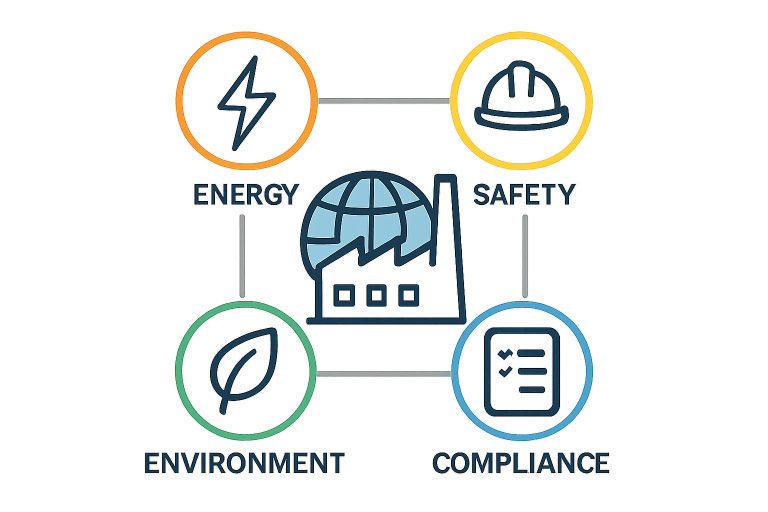
The energy sector is undergoing rapid transformation, driving companies to adopt robust industry standards that help ensure operational efficiency, safety, and regulatory compliance. These standards serve as foundational practices, supporting companies as they address the varied challenges of energy production, distribution, and innovation. Learn more
Remaining up to date with industry standards is crucial not only for meeting legal and environmental responsibilities but also for cultivating public trust and a strong business reputation. As the sector adapts to new technologies and evolving customer expectations, the impact of comprehensive standards becomes increasingly significant.
Companies in the energy space face mounting pressure to consistently demonstrate best practices in quality management, environmental stewardship, safety, and data protection. Major standards bodies, such as the International Organization for Standardization (ISO) and various regulatory agencies, offer frameworks designed to help firms thrive amid sweeping industry changes.
Beyond compliance, strategically adopting industry standards positions organizations to leverage cutting-edge innovations, attract stakeholder support, and foster sustainable growth. A dedicated focus on these standards can often spell the difference between long-term industry leadership and operational setbacks.
Certain globally recognized frameworks are vital for energy companies determined to achieve operational excellence and regulatory alignment:
- ISO 9001:Quality management systems that promote consistent service and product outcomes.
- ISO 14001:Environmental management frameworks that guide organizations in minimizing their ecological footprint.
- ISO 50001:Energy management systems focused on efficient energy use and conservation.
- ISO 45001:Occupational health and safety principles designed to minimize workplace hazards and protect employees.
- ISO 27001:Information security management to safeguard sensitive data from cyber threats and breaches.
These standards, when implemented effectively, not only unlock operational efficiencies but also heighten an energy company’s credibility with regulators and consumers alike.
Recent Developments in Energy Standards
Regulatory landscapes continue to evolve rapidly. A recent milestone includes the U.S. Department of Energy’s newly finalized energy efficiency standards for distribution transformers. This regulatory update aims to boost the resiliency and efficiency of the national power grid, while supporting domestic manufacturing and accelerating the shift to clean energy sources.
The DOE estimates that these updated standards could save American businesses hundreds of millions in annual energy costs, while accelerating progress toward the nation’s climate goals.
Consumer Protection and Ethical Practices
Earning and maintaining consumer confidence is essential, especially as the transition to distributed energy solutions accelerates. The Solar Energy Industries Association (SEIA) has unveiled new standards aimed at improving transparency in sales and enhancing requirements for the safety and durability of solar installations.
These measures prioritize clear communication, fair practices, and set new benchmarks for the protection of residential and business clients.
Net-Zero Commitments and Climate Goals
Many energy organizations are now championing net-zero carbon commitments by aligning with global frameworks, such as the Science-Based Targets initiative (SBTi). The SBTi provides a clear structure for power-sector players to establish both near- and long-term goals to achieve net-zero emissions by 2050.
This evolving standard supports utilities, grid operators, and energy storage businesses as they refine their emission reduction strategies, improve reporting transparency, and address both short-term and generational sustainability targets. Such standards bolster the credibility of corporate responsibility efforts in an era of growing stakeholder scrutiny.
Integrating Security by Design
The digitization of energy infrastructure brings unprecedented opportunity—alongside complex security risks. Security by Design (SbD) principles urge companies to embed security protocols at the earliest stages of new system development, rather than treating cybersecurity as an afterthought.
By proactively addressing vulnerabilities in industrial control systems and power infrastructures, organizations reduce their exposure to cyber threats and ensure ongoing reliability for customers, regulators, and partners.
Compliance with Evolving Regulations
Utility compliance is a moving target as governments regularly adjust their requirements in response to new data and environmental concerns. For example, the U.S. Environmental Protection Agency recently delayed implementation decisions on natural gas power plant emission rules until after the 2024 presidential election, reflecting ongoing regulatory flux and the importance for organizations to remain adaptable.
Staying engaged with policymakers, standards bodies, and sector partners is essential to anticipating and responding to regulatory changes. This vigilance enables companies to avoid costly disruptions, ensure continuous improvement, and remain competitive in an evolving energy landscape.
Final Thoughts
In the dynamic, innovation-centric energy sector, adopting and maintaining compliance with industry standards is crucial for operational success, safety, and sustainability. Proactive engagement with evolving guidelines not only supports compliance but also fosters industry leadership, elevates consumer trust, and future-proofs business operations.
By remaining informed and responsive to industry standards and best practices, energy companies are well-positioned to navigate regulatory challenges, achieve environmental goals, and drive responsible growth well into the future.