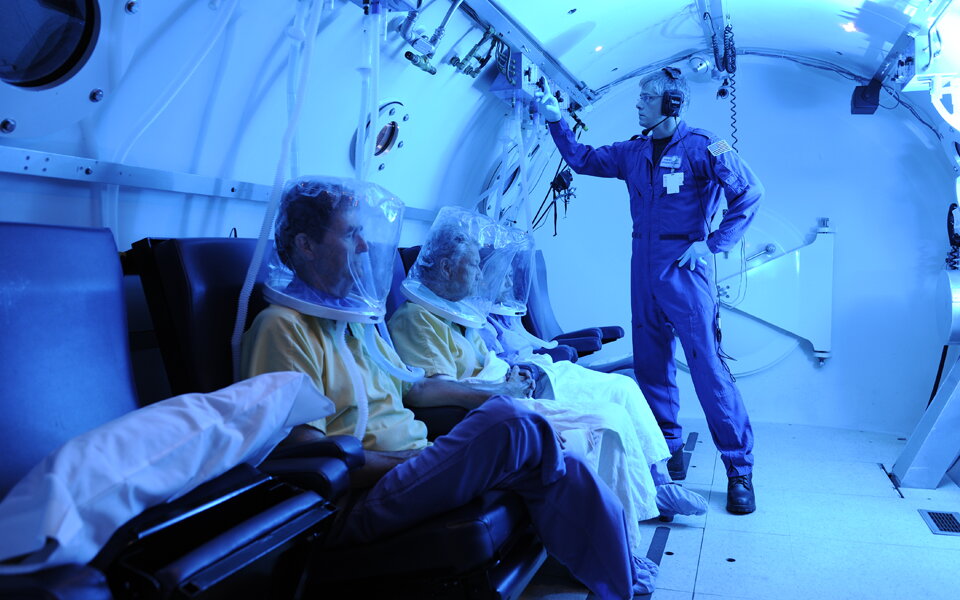
Step into a training room after a hard session and you’ll feel it: the hum of treadmills, the ice packs, the quiet focus of a team resetting for the next push. Somewhere off to the side, a sleek chamber glows softly—a hyperbaric pod where athletes slip in, breathe deeply, and let heightened oxygen do the heavy lifting. It’s not sci-fi; it’s hyperbaric oxygen therapy (HBOT), and it’s earning a spot alongside compression boots, cold plunges, and sleep optimization as a go-to for those chasing peak performance.
At its core, HBOT is about delivering more oxygen to the places that need it most. Inside a pressurized chamber, oxygen dissolves into the blood at higher concentrations, traveling deeper into tissues stressed by training and competition. The promise is straightforward: recover faster, think clearer, and hold strong longer. Many athletes already weave sessions at a trusted HBOT clinic into their routines, using it as both a recovery accelerator and a performance support tool.
What HBOT Actually Does
Imagine oxygen as the body’s ultimate fuel. Under pressure, more of it dissolves into your bloodstream, reaching areas where circulation might be sluggish after intense effort or injury. That extra oxygen supports cellular repair, helps dial down inflammation, and can leave you feeling like you shook off a layer of heaviness. The process is simple: you sit or lie comfortably in a chamber, breathe, and let physics do the rest.
HBOT isn’t a magic button, but it is a serious assist. When you train hard, your body stacks up microdamage along muscles, tendons, joints, and even the brain’s processing centers. The therapy helps those systems get what they need sooner—so you can return to work that matters: refining mechanics, stacking reps, and building resilience.
Recovery After Intense Training
If training is where you earn it, recovery is where you keep it. After high-intensity sessions, soreness and fatigue are expected—sometimes they’re a badge of honor. But lingering pain or sluggish rebound can stall momentum and force scheduling compromises. HBOT helps shorten that window.
After several hyperbaric sessions, athletes report decreased post-session discomfort, lighter legs, and faster recovery. Muscle fibre microtears get the raw ingredients to heal with greater oxygen levels, reducing oedema. A training week feels more regular with fewer days wasted to recuperation limbo and more days of quality work.
Sharper Minds Under Pressure
Pattern recognition, split-second decision-making, and serenity in chaos are all part of performance. HBOT improves mental clarity by increasing brain oxygen delivery. Some athletes say they leave the chamber with better focus, steadier attention, and faster reactions.
That mental sharpness is clutch in competition scenarios where momentum swings fast and mistakes carry weight. Whether you’re reading a defense, picking a line on a descent, or managing late-race strategy, feeling mentally light and connected can tip the scales.
Injury Rehab That Moves
Injuries are part of the game—sprains, strains, overuse aches, and the occasional more serious setback. Traditional rehab is essential; it’s also a grind. HBOT often slots in as a complementary tool alongside physiotherapy, helping tissue repair stay on pace.
With increased oxygen, cells involved in healing can do their jobs more efficiently. Athletes recovering from soft-tissue issues or joint irritation frequently use hyperbaric sessions to support rehab phases, aiming for less downtime and smoother transitions back to full training loads. It’s not a shortcut, but it can feel like taking the fast lane on a crowded highway.
Endurance, Stamina, and Staying Power
Stamina is that quiet force that lets you hold form late, push through fatigue, and keep output steady when it matters most. Hyperbaric oxygen can support endurance by increasing the oxygen available to working muscles and tissues, helping delay that familiar fade.
After repeated training, athletes frequently feel more energized—like the effort ceiling rises. That can make longer periods manageable, back-to-back training days not crater, and you retain quality throughout a week or season. The cumulative benefit is cleaner reps and less ragged finishes.
Post-Event Reset
After races or games, the body is loud—soreness, swelling, and a kind of system-wide fatigue that makes stairs look hostile. Recovery strategies become non-negotiable, especially when events stack close together. HBOT can be a powerful reset, nudging your system toward equilibrium and making downtime feel more productive.
Many athletes use hyperbaric sessions in the 24–72 hours after competition, aiming to reduce that heavy, sluggish feeling and reclaim a sense of readiness faster. That matters for long seasons, tight travel schedules, and any scenario where staying in the groove beats starting from zero.
Safety, Access, and What a Session Feels Like
The experience is simple. You’ll relax in a pressurised chamber for 60–90 minutes at a reputable HBOT clinic. After a steady pressure increase—your ears may pop like on an airplane—you breathe properly through a mask or hood. Many people find the surroundings relaxing, listening to audiobooks or letting the day’s noise recede.
Screening matters. HBOT isn’t for everyone, and clinics will screen for ear, sinus, lung, and other medical disorders before starting. To properly integrate therapy into your routine, match sessions with training cycles, competitive demands, and rehab periods. Consider it an integrated plan: sleep, diet, and recovery.
The Competitive Edge That Lasts
Athletic careers are built on preparation, performance, and longevity. HBOT speaks to all three, not with hype, but with a practical promise—more oxygen where it counts, supporting the body’s built-in ability to heal, adapt, and sharpen. Whether you’re chasing PRs, staying durable through a punishing schedule, or sustaining focus in the high-stress, high-speed world of modern sport, hyperbaric sessions can help keep the engine running smoothly.
That’s why more athletes seek out a trusted HBOT clinic and make it part of their rhythm. In a landscape crowded with recovery trends, this one’s simple: sit down, breathe, and let pressure amplify the power of oxygen.
FAQ
What is hyperbaric oxygen therapy (HBOT)?
HBOT involves breathing oxygen in a pressurized chamber, allowing more oxygen to dissolve into your blood and reach stressed or injured tissues.
How long does a typical session take?
Most sessions last 60–90 minutes, with a gradual pressurization at the start and a controlled, comfortable return to normal pressure at the end.
Will my ears pop during a session?
Yes, like during airplane ascent and descent, but you can equalize with simple techniques and staff will guide you through it.
Is HBOT safe for athletes?
It’s generally well tolerated, but screening is required to rule out issues like certain lung conditions or ear and sinus problems.
Can HBOT help with soreness and inflammation?
Many athletes report reduced soreness and swelling after sessions, attributing it to improved oxygen delivery and support for repair.
Does HBOT improve mental focus?
Athletes often describe clearer thinking and faster reaction times post-session, which can be valuable in competition.
Is HBOT useful for injury rehabilitation?
It’s frequently used alongside physiotherapy to support tissue healing and help reduce downtime after sprains, strains, and similar injuries.
How soon do results show up?
Some feel benefits within a few sessions, while others notice gains over weeks as part of a consistent training and recovery plan.
Do I need a prescription or referral?
Clinics typically assess you directly, but your sports medicine provider can help coordinate HBOT within your overall program.
How does HBOT fit into a training week?
Many athletes schedule sessions around hard training blocks or post-event windows to support recovery and performance continuity.