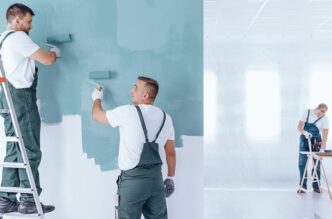
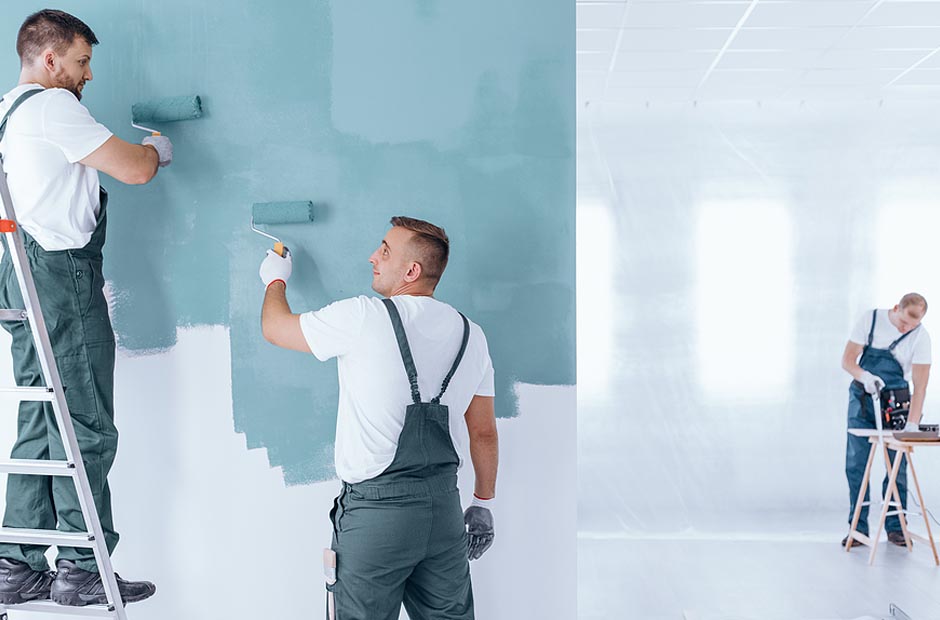
Commercial painting projects—covering everything from retail storefronts and office buildings to industrial complexes—carry a higher stakes than residential work. The final outcome is judged not only on immediate aesthetic appeal but on long-term durability, minimizing disruption, and protecting the property’s structural integrity against weather and heavy use.
The appearance of a commercial facility directly impacts brand perception and operational continuity. A poor quality job can lead to premature fading, peeling, and the need for expensive, early repainting, interrupting business and eroding capital investment unnecessarily.
Achieving a high-quality, lasting finish is the result of meticulous planning and execution that accounts for environmental, material, and logistical challenges unique to commercial sites. For projects in the Gulf Coast region, selecting specialized providers is key, and reliable commercial painting services in Houston prioritize a systematic approach to surface treatment and material application.
Surface Preparation and Material Conditions
The single most critical factor determining the longevity of a commercial paint job is the quality of the surface preparation. Paint adheres best to surfaces that are clean, dry, and structurally sound; neglecting proper preparation ensures premature coating failure.
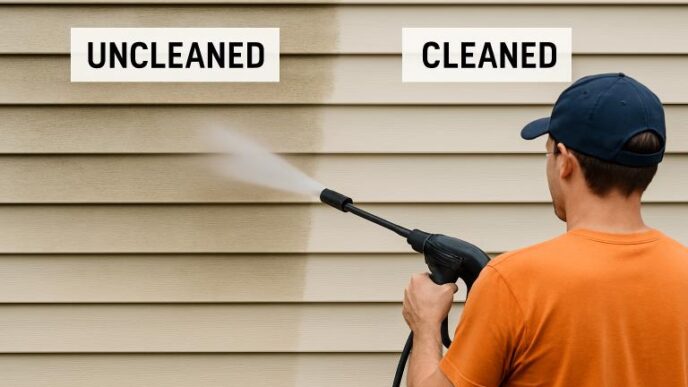
Preparation involves addressing existing issues such as flaking paint, rust on metal substrates, mold growth, or efflorescence on masonry. Techniques like pressure washing, chemical cleaning, sanding, and sandblasting may be employed to create the ideal texture profile for the primer to bond effectively.
Skipping steps in this phase—such as failing to repair cracks, filling gaps, or ensuring the substrate’s pH is neutralized—will result in bubbling, peeling, or cracking within months. A high-quality finish cannot compensate for a poorly prepared foundation.
Paint Selection and Environmental Exposure
Commercial painting success depends heavily on selecting the right type of coating to match the specific substrate, environmental conditions, and functional use of the space. Coatings designed for a dry interior office differ drastically from those needed for an exterior facing humid, saltwater air.
Exterior surfaces require industrial-grade, often elastomeric or specialized epoxy coatings that offer superior UV resistance, weatherproofing, and flexibility to withstand temperature fluctuations. Interiors must consider durability against abrasion, resistance to cleaning chemicals, and, in places like healthcare, antimicrobial properties.
Special consideration must also be given to low-VOC (Volatile Organic Compound) paints for interior projects, especially in occupied spaces like hospitals or schools. Choosing the correct primer and topcoat system ensures maximum adhesion and a finish that performs reliably under its expected daily stresses.
Project Planning and Scheduling
Commercial painting cannot disrupt normal business operations, making detailed project planning and scheduling paramount. This process requires continuous communication to minimize impact on tenants, customers, and employees.
Access is another major consideration; painting high-rise exteriors or large industrial tanks requires complex scaffolding, aerial lifts, and coordination with local safety regulations. Securing permits and ensuring clear, safe pathways for both equipment and personnel must be planned in advance.
The schedule must also account for optimal environmental conditions, such as temperature and humidity, which directly impact paint drying and curing times. Working during non-business hours (nights or weekends) is often required to meet stringent deadlines without compromising quality or safety.
Application Methods and Quality Control
The method of paint application—brush, roller, or spray—is chosen based on the texture of the surface, the type of coating, and the required finish quality. Spray application is fast and provides a highly uniform finish for large, flat surfaces, but requires extensive masking and protection of surrounding areas.
Regardless of the method, adherence to the manufacturer’s specified coverage rate (mil thickness) is vital. Applying the paint too thinly compromises durability and color saturation, while applying it too thickly can lead to running, wrinkling, and poor curing.
Quality control involves systematic checks throughout the process, including testing adhesion, monitoring film thickness, and ensuring uniform color matching and straight lines along trim and cut-in areas. A final walkthrough should be conducted with the client to verify all specifications have been met.
Maintenance and Long-Term Performance
The outcome of a commercial painting project extends far beyond the initial completion date. The long-term performance and appearance of the finish depend significantly on the maintenance plan established afterward.
Contractors should provide clear instructions on recommended cleaning products and methods to prevent damage to the coating. Regular cleaning and scheduled touch-ups—especially in high-traffic areas or spots exposed to extreme weather—can dramatically extend the life of the paint job.
By focusing on detailed preparation, selecting industrial-grade materials suited to the environment, and executing the job with expert application techniques, commercial painting projects ensure a durable, aesthetic, and low-maintenance result that maximizes the property’s value.