The Legal Risk You Can’t See Until It Bites
Ask any property manager what feels most unpredictable, and it’s rarely the leaky faucet. It’s the moment a regulator, insurer, or tenant asks for proof—proof that a safety check happened, that a repair was completed, that a contractor was covered—and the paper trail fizzles out. Broken HVAC units and tight budgets are visible headaches; legal exposure hides in the gaps between “we did it” and “we can prove it.” That’s where property maintenance management software stops being shiny tech and starts being the quiet guardian of your operation.
When Paper Trails Vanish
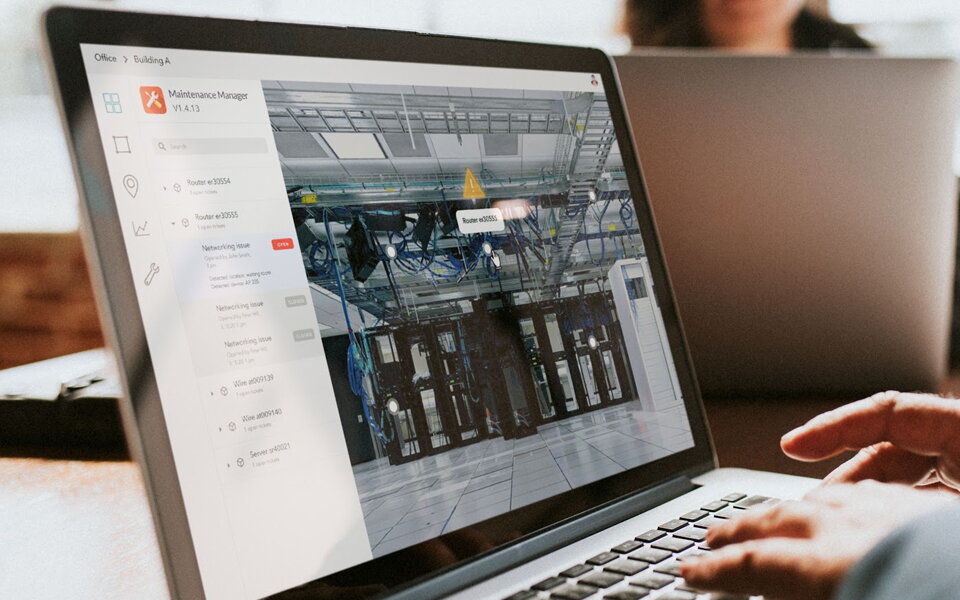
We’ve all seen it: a rushed audit, a binder that’s missing, a technician who swears the job was done but has no record to stand on. In legal terms, memory is a feather; records are stone. Digital maintenance systems turn work into a verifiable story—work orders are time-stamped, assigned, and closed out with notes, photos, and even signatures. Months later, you’re not rummaging through boxes; you’re typing a date into a search bar and pulling up the entire chain of activity.
Think of it as a black box for your buildings. Every inspection, fix, and follow-up becomes part of a cohesive flight log. When the question shifts from “who remembers?” to “what does the system say?”, you’ve already won half the battle.
Regulations Don’t Wait
Every asset—fire alarms, lifts, HVAC, sprinklers—has a rhythm. Missing an inspection window can result in fines or safety issues. Compliance is knowledge and cadence management. Standards are translated into timetables, deadlines, and automated reminders that don’t sleep, forget, or take vacations via software.
Recurring tasks reappear before they become emergencies. Approvals and checklists make sure the right steps happen in the right order. When an inspector asks for verification, you’re sharing a clean digital timeline instead of stacking paper on a desk. The process feels less like a scramble and more like a plan.
Vendors, Insurance, and the Blame Game
Outsourced work is normal; shifting liability isn’t. If a contractor lacks current insurance or a required license, that risk often boomerangs back to the property. A centralized system lets you keep vendor profiles, contracts, certifications, and insurance certificates all in one place, with renewal reminders that surface before coverage lapses. Tools like STACK construction management software for subcontractors make this process easier by organizing every vendor document, compliance record, and update in one secure dashboard.
It’s not just convenience. It’s your defense. When something goes wrong, being able to show that you verified credentials and kept them current can be the difference between a manageable claim and an unforced legal error.
Tenant Claims, Told with Receipts
Tenants are entitled to safety and quick responses—but disputes happen. A resident may allege the heat was out for days or a trip hazard was ignored. Without a timeline, everything becomes opinion. When every request is logged—from the moment it’s received to the moment it’s resolved—the conversation changes.
Time-stamped entries, technician notes, before-and-after photos, even geo-tagged visits: together they form a factual narrative. It’s not “we think,” it’s “here’s what happened.” Often, clear records defuse tension before it escalates. And when it doesn’t, you have a defensible story that stands up under scrutiny.
Insurance Wants Proof, Not Promises
Carriers live on documentation. If a claim follows an incident and you can’t produce inspection logs or proof of preventive maintenance, coverage can turn into a fight. Maintenance software builds the kind of evidence underwriters appreciate: routine checks, prompt repairs, and documented follow-through.
That record doesn’t just help after a loss; it helps you profile risk over time. Trends in work orders, recurring issues, and asset histories make it easier to show a proactive stance. Sometimes that diligence translates to smoother claims handling—and even better premium conversations.
If It Goes to Arbitration or Court
Nobody wants to be there, but facts trump feelings. Your case hinges on clean records in litigation or arbitration. A centralised system can show who did what, when, what they saw, and how they closed it. It shows that safety requirements were scheduled, confirmed, and performed regularly.
Think of it as chain-of-custody for building care. Access logs, version histories, and date-stamped updates reveal a process, not a patchwork. That level of documentation doesn’t just bolster your case; it discourages the flimsy ones from getting off the ground.
Accountability, Baked into the Workflow
Legal readiness isn’t only a defensive posture. It’s cultural. When staff and vendors know that every step is tracked—who accepted the task, when they arrived, how they resolved it—follow-through improves. The system becomes a quiet coach, nudging work along, closing loops, and turning “almost done” into “done and documented.”
Over time, that discipline compounds. You spot bottlenecks, reduce repeat issues, and turn surprises into forecasts. The end result isn’t just fewer legal headaches; it’s a steadier operation that leaves less to chance and more to proof.
FAQ
What is property maintenance management software?
It’s a digital system that organizes work orders, inspections, vendor details, and asset histories so you can track, verify, and report on maintenance activities.
How does it reduce legal risk?
By creating time-stamped, documented proof of inspections, repairs, and vendor credentials, it turns “we thought” into evidence that holds up.
Can it help with regulatory compliance?
Yes. Automated schedules, reminders, and checklists keep inspections on cadence, and records are easy to share during audits.
What about vendor insurance and licenses?
You can store certificates and licenses, set renewal alerts, and verify status before work starts to minimize liability.
Does it improve tenant dispute resolution?
Absolutely. Logged requests, response times, photos, and notes provide a clear timeline that often resolves issues quickly.
Will insurers recognize this documentation?
Insurers value well-documented maintenance histories, which can smooth claims and showcase proactive risk management.
Is mobile access important?
Mobile apps let technicians capture notes, photos, and signatures on-site, strengthening the accuracy and timeliness of records.
How quickly can teams adopt it?
With clear workflows and role-based access, most teams ramp up quickly—and the payoff in visibility and accountability appears fast.