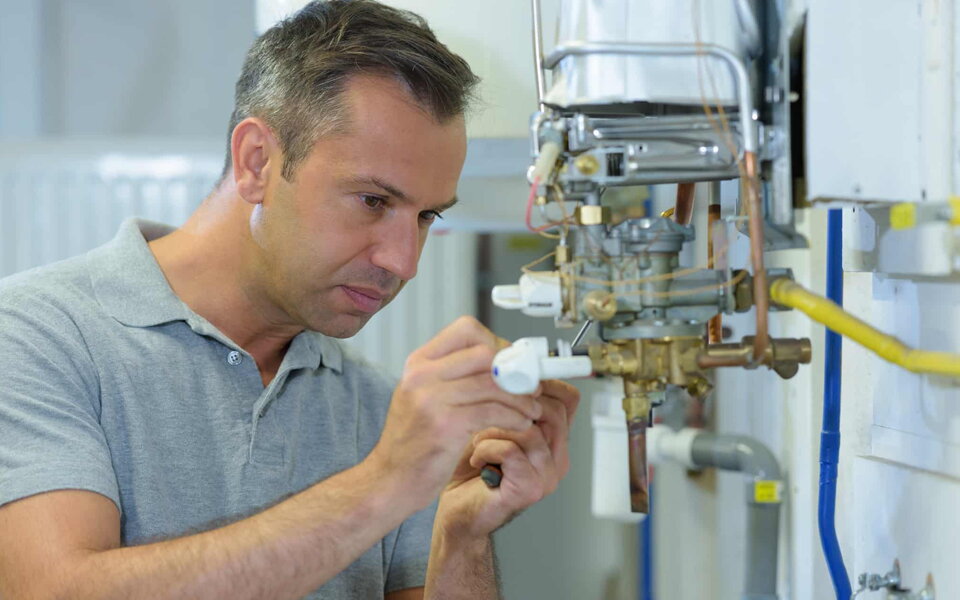
When your shower runs cold on a crisp Albuquerque morning, it’s more than inconvenient—it’s a plot twist you didn’t see coming. Take a breath. The fastest path back to hot water isn’t speed; it’s clarity. The right questions, asked at the right time, help you choose a trustworthy plumber Albuquerque and keep budgets, timelines, and expectations aligned.
Below is your calm, cinematic checklist—what to ask, why it matters, and how to steer the repair like a pro.
Start with a Clear Diagnosis
Begin with the story behind the failure. Ask the plumber to describe—in everyday language—what’s broken and why it failed. Was it a heating element, thermostat, thermocouple, gas control valve, or the anode rod nearing the end of its life?
Get to the problem, not the symptom. Hard water in Albuquerque accelerates sediment buildup, which insulates heat and strains components, causing lukewarm water, popping noises, and brief cycling. If the pilot keeps going out, is it a draft, filthy flame sensor, or broken gas valve? If water seems rusty, is the anode depleted or the tank deteriorating?
A clear diagnosis should come with tangible evidence—measurements, photos from inside the burner compartment, or readings from a multimeter. That transparency helps you avoid repeat failures and builds trust from the start.
Request a Detailed Written Estimate
Verbal ballparks are for bar bets, not home repairs. After inspecting the unit, a reputable Albuquerque plumber will hand you a written estimate that itemizes parts, labor, and any trip or disposal fees.
Ask what could affect price. How will cost and time be affected if the drain valve won’t open or a shutdown fails mid-repair? Ask about permit fees, venting changes, expansion tanks, and code upgrades for replacements. The start time, duration, and whether hot water will be out for hours or full day should be included in a fair estimate.
Pro move: confirm the estimate format. “Flat rate” pricing can be simpler to budget for than hourly, especially if rusted fittings or seized unions turn a one-hour fix into three.
Verify Credentials and Insurance
Licensing isn’t a nicety—it’s your safety net. Ask for the plumber’s New Mexico license number and verify it’s current. You’re hiring craft and accountability, not guesswork.
Insurance matters just as much. Confirm they carry both general liability and workers’ compensation. If a tech is injured on your property, you shouldn’t be the insurer of last resort. If a repair inadvertently causes damage (a cracked fitting floods a closet, for instance), liability coverage is what stands between you and a nightmare.
You can also ask who will actually perform the work—an owner, a licensed journeyman, or an apprentice supervised on-site—and whether background checks are standard for technicians entering your home.
Discuss Repair Versus Replacement
Fixes don’t always work. Tankless heaters can last longer with maintenance than tank-style heaters, which last 8–12 years. Replacement is the only safe option for body-leaking tanks. Targeted repairs can extend the life of a failed part or thermostat on a healthy device.
Have the plumber walk you through the math: current age, repair cost today, frequency of past issues, energy efficiency gains with a new model, and expected remaining life. Don’t forget local realities—Albuquerque’s hard water can accelerate wear, making proactive replacement more sensible if your tank is already middle-aged and needing its second or third major part.
If you’re considering tankless, ask about gas line capacity, venting, descaling intervals, and whether your home’s water chemistry suggests adding a water treatment system to protect the new unit.
Understand the Warranty Terms
Warranties are where confidence shows up in writing. Ask for two specifics: the manufacturer’s parts warranty and the contractor’s labor warranty. They’re separate, and both matter.
How long are parts covered? Does the clock start at installation or manufacture date? Will the contractor handle warranty claims or will you? For labor, ask how long they stand behind the repair and what exactly is covered. If the same component fails within the warranty window, will you pay another service call fee, or is it truly no-cost?
For replacements, confirm whether registration is required to activate extended coverage and whether any add-ons (like an expansion tank, mixing valve, or sediment filter) affect warranty validity.
FAQ
How fast can I get hot water back after a repair?
Simple repairs often restore hot water the same day, while replacements typically take a few hours once materials are on-site.
Do I need a permit for a water heater in Albuquerque?
Repairs generally don’t, but replacements usually do; your plumber should pull and close the permit as part of the job.
Why does my water heater make popping or rumbling sounds?
That’s usually sediment boiling at the bottom of the tank, a common issue in hard-water areas that signals it’s time for flushing or evaluation.
Is it worth switching to a tankless water heater?
It can be, especially for long-term efficiency and endless hot water, but you’ll want to assess gas capacity, venting, and maintenance needs first.
How often should I flush my water heater here?
With Albuquerque’s hard water, many homeowners flush annually; if sediment is heavy, every six months can extend equipment life.
What’s a fair price range for common repairs?
Costs vary by part and access, but thermostats, elements, and igniters are often moderate fixes, while gas valves, control boards, and recirculation issues land higher.
Can poor water quality void my warranty?
Sometimes; manufacturers may require proper installation, maintenance, and, in hard-water regions, mitigation like anode checks or treatment.
Should I replace the anode rod proactively?
Yes—swapping a depleted anode before the tank corrodes can add years to a heater’s life and reduce rotten-egg odors.
What if my pilot light keeps going out?
It could be a dirty sensor, draft, venting issue, or failing gas control; a proper diagnostic will pinpoint the culprit instead of chasing symptoms.
Will a new heater lower my utility bills?
A modern, properly sized, energy-efficient model can reduce gas or electric use, and insulating pipes or adding a mixing valve can amplify savings.
The right questions turn a scramble into a strategy when the hot water stops. Ask for clarity, preserve everything in writing, and be sure the pro is licensed, insured, and prepared to provide written commitments. This clean, safe, and rapid method restores heat in a city that depends on sunshine and early mornings.