Radar speed signs have become an increasingly common feature on roads where safety and speed awareness are a priority. These signs are designed to give drivers immediate feedback on how fast they are travelling, helping them recognise when they need to slow down. Unlike enforcement tools such as speed cameras, radar speed signs focus on awareness and behaviour change rather than penalties.
By displaying a driver’s speed in real time, these signs encourage self-correction and promote safer driving habits. They are widely used in residential areas, school zones, work sites, and transition zones where speed limits change. This article explores what radar speed signs are, how they work, where they are used, and why they are considered an effective and practical road safety solution.
What Are Radar Speed Signs
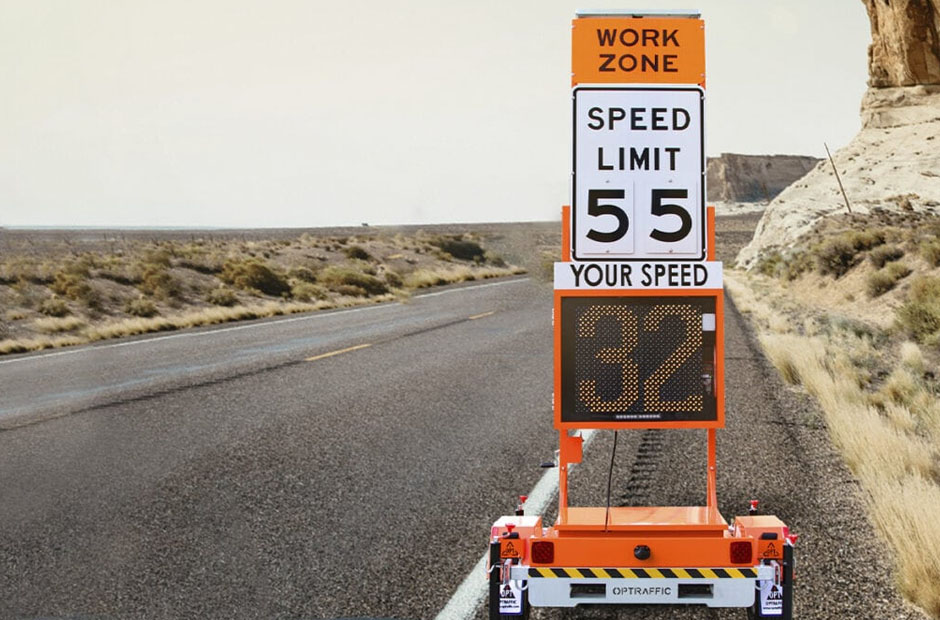
Radar speed signs are electronic traffic signs equipped with radar technology that detects the speed of approaching vehicles. When a vehicle comes within range, the sign measures its speed and displays that number on a bright digital screen. The display is usually large and clear, so drivers can easily read it without distraction.
These signs are designed to supplement traditional speed limit signs. While a standard sign tells drivers the maximum allowed speed, a radar speed sign shows them their actual speed at that moment. This direct feedback makes the message more personal and harder to ignore.
How Radar Speed Signs Work
Speed Detection Technology
Radar speed signs use radar sensors to measure the speed of oncoming vehicles. The sensor sends out a signal that reflects off a moving vehicle. The sign then calculates speed based on how the reflected signal changes. This process happens almost instantly, allowing the speed to be displayed in real time.
Visual Feedback for Drivers
Once a speed is detected, the sign displays it using LED numbers. Many signs also include visual cues to reinforce the message. For example, the display may change colour when a driver exceeds the speed limit or show a warning message. This added visual feedback makes the information easier to understand at a glance.
Data Collection Capabilities
Some radar speed signs can record traffic data such as average speeds, peak traffic times, and the number of vehicles passing through an area. This information can be useful for councils and planners who want to better understand traffic behaviour and evaluate whether additional safety measures are needed.
Common Locations for Radar Speed Signs
Radar speed signs are versatile and can be installed in a wide range of environments where speed management is important.
School Zones
School areas are one of the most common locations for radar speed signs. Drivers are often reminded to slow down during busy drop-off and pick-up times. Seeing their speed displayed can prompt immediate action, helping protect children and families near schools.
Residential Streets
In neighbourhoods with pedestrians, cyclists, and families, radar speed signs help calm traffic. They are especially useful on streets where speeding complaints are common but permanent physical measures are not practical.
Roadwork and Construction Areas
Temporary radar speed signs are often used in work zones to alert drivers to reduced speed limits. This helps protect workers and reduces the risk of accidents caused by sudden changes in road conditions.
Entry and Transition Zones
When drivers move from higher speed roads into urban or residential areas, radar speed signs help signal that a slower speed is required. This can be particularly effective at town entrances or near sharp changes in road layout.
Benefits of Radar Speed Signs
Encouraging Safer Driving Behaviour
One of the main advantages of radar speed signs is their ability to influence driver behaviour without enforcement. Drivers often slow down as soon as they see their speed displayed, even if they were not aware they were speeding. Over time, this can lead to better speed awareness and safer habits.
Reducing Crash Risk
Lower speeds are closely linked to fewer and less severe accidents. By encouraging drivers to slow down, radar speed signs help reduce the likelihood of collisions and the severity of injuries when accidents do occur.
Improving Community Safety and Comfort
Slower traffic creates a safer and more pleasant environment for everyone. Pedestrians feel more confident crossing the road, cyclists experience less risk, and residents benefit from reduced noise and stress associated with fast-moving vehicles.
Cost-Effective and Flexible
Compared to major infrastructure changes, radar speed signs are relatively cost-effective. They can often be installed quickly, require minimal disruption, and can be relocated if traffic patterns change. This flexibility makes them suitable for both permanent and temporary use.
Supporting Better Planning Decisions
When equipped with data collection features, radar speed signs provide valuable insights into how roads are being used. This information can support better planning, help prioritise safety improvements, and measure the success of traffic calming efforts.
Conclusion
Radar speed signs play an important role in modern road safety strategies. By giving drivers immediate and clear feedback, they encourage safer speeds without relying on enforcement alone. Their adaptability makes them suitable for a wide range of locations, from quiet residential streets to busy school zones and work sites.
As communities continue to look for practical ways to improve safety and reduce speeding, radar speed signs remain a simple yet effective solution. Their ability to raise awareness, influence behaviour, and support safer roads makes them a valuable addition to any traffic management approach.