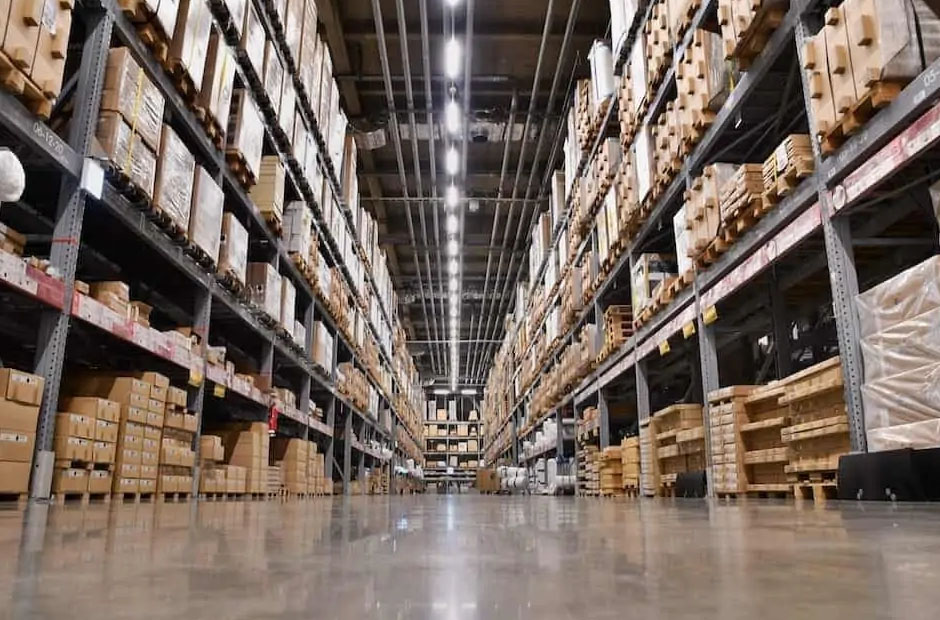
Waste is rarely seen as a performance lever in a distribution center. It should be. Cardboard, stretch wrap, pallets, dunnage, broken product, food waste, and general trash all move through your facility every day. And every movement costs time. When waste handling is slow or poorly designed, it steals labor, clutters aisles, increases safety risk, and pushes your sustainability goals further out of reach.
The good news is simple. You don’t need a grand overhaul to get results. You need a smarter system. One that treats waste like any other material flow: defined, measured, and optimized.
Why waste deserves an operations mindset
Most warehouses are engineered for inbound, storage, pick, pack, and ship. Waste is often an afterthought. That creates a predictable pattern: bins overflow, employees “deal with it later,” and the accumulation forces a rushed cleanup at the worst possible time—peak shifts, end of day, or right when a trailer hits the dock.
A waste program run as an operations function changes the dynamic. It introduces standards. It sets expectations. It makes waste predictable.
When waste is predictable, it becomes cheaper to handle. It also becomes easier to reduce.
Map your waste streams before you buy anything
Before you change equipment or vendors, get clarity. Walk the floor and document what you actually generate, where it appears, and how it currently moves. Most distribution centers have multiple waste streams that require different handling:
- Corrugated cardboard from receiving and replenishment
- Plastic film and stretch wrap from pallets and outbound packaging
- Wooden pallets and broken pallet debris
- Damaged goods and returns that can’t be resold
- Food or organic waste in certain industries
- Mixed trash from break areas and office space
Now look for the friction. Where does waste pile up? Where do people detour? Which areas generate waste faster than current bins can absorb? What gets contaminated because sorting isn’t convenient?
This step sounds basic, but it reveals the real issue. Waste isn’t “too much.” It’s usually “in the wrong place” or “moved the wrong way.”
Design waste handling around travel time
In many warehouses, the highest hidden cost of waste is walking. People throw away boxes and plastic constantly. If the nearest disposal point is far, they do one of two things: let it stack up near the work area, or take longer trips that drain productivity.
You can fix this by treating waste points like pick faces. Put the right container at the right distance for the job.
A few practical rules help:
- Place collection stations near the source, not near the exit.
- Use smaller “satellite” containers that feed a central compaction or staging area.
- Make the correct choice the easy choice. If recycling is farther than trash, recycling won’t happen.
- Standardize container sizes so swaps and pickups don’t become a special project.
Then set a routine for servicing those points. Consistency beats heroics.
Standardize sorting so it actually works
Sorting is a behavioral problem disguised as a process problem. People do what is easiest. If you want clean recycling streams, you need clear visual cues and minimal decision-making.
Make it obvious. Label bins with big text and simple images. Avoid long lists of “acceptable materials.” Most employees won’t read them in a fast-paced environment. If contamination keeps showing up, it’s a signal that your system is unclear or inconvenient.
It also helps to consolidate categories. If you separate plastics into three subtypes but nobody understands them, you’ll end up with one mixed bin anyway. Start with what you can maintain: corrugate, film, pallets/wood, and trash. Add complexity only after compliance is stable.
Use the right equipment to reduce handling touches
Once you know your waste volumes and travel patterns, equipment decisions become clearer. The goal is not flashy machinery. The goal is fewer touches per unit of waste.
Common upgrades that create real impact:
- Balers for cardboard and film to reduce volume and improve recycling value
- Compactors for general trash when volume is high
- Pallet collection and repair zones to keep wood from spreading across the floor
- Dedicated waste carts or tuggers so pickups are planned, not improvised
In the middle of the operation, where waste accumulates quickly, mobile solutions can prevent overflow without adding constant labor. This is where self dumping hoppers often fit well: they can be positioned near high-output areas, moved efficiently, and emptied with minimal manual handling.
Choose equipment based on the problem you are solving. Don’t let the catalog drive the strategy.
Build a “waste route” like a milk run
Many facilities rely on ad hoc waste removal. Someone notices a pile, then handles it. That approach feels flexible, but it’s expensive. It interrupts primary work and creates uneven service.
A simple alternative is a scheduled waste route—like a milk run. Define:
- Pickup times by zone
- Who runs the route
- What containers are exchanged
- Where the waste is staged or processed
- What happens when volumes spike
This creates rhythm. It also makes waste visible in your staffing plan. You’ll stop pretending it’s “extra work” and start treating it as part of the operation.
And once it’s part of the plan, it becomes easier to improve.
Safety and cleanliness improve when waste is controlled
Waste affects safety in direct ways. Blocked aisles, loose plastic on the floor, overflowing bins near dock doors, and unstable stacks of cardboard are all hazards. So are sharp edges from broken pallets and damaged packaging.
A better waste system reduces those hazards. It also reduces the need for rushed end-of-shift cleanups, which often happen when people are tired and less attentive.
If you want a single rule that ties everything together, use this: waste should never be stored in a travel lane. Ever. If it is, your system is under capacity or poorly placed.
Track what matters: volume, labor, and contamination
You don’t need a complex dashboard. You need a few measurements that tell you if the system is working:
- Labor time spent on waste handling per shift
- Cardboard and film volume captured for recycling
- Trash volume (or pulls) per week
- Contamination rate (even a simple visual score helps)
- Overflow incidents (how often bins exceed capacity)
These metrics let you make targeted changes. Maybe your recycling rate is decent, but labor is high because collection points are too far apart. Maybe trash pulls are rising because film is ending up in the wrong bin. Data turns these from guesses into fixes.
For general guidance on waste reduction and material management, resources from the U.S. Environmental Protection Agency (EPA) can provide helpful context on how waste prevention and recycling practices reduce environmental impact.
Reduce waste upstream, not just at the bin
Handling waste efficiently is important. Reducing waste generation is even better.
Look upstream at what enters your facility:
- Can suppliers reduce packaging or switch to reusable totes?
- Can you adjust receiving practices to keep pallets and wrap intact for reuse?
- Can you right-size outbound packaging to reduce void fill and corrugate use?
- Can you improve inventory accuracy to reduce damage and spoilage?
These changes often require coordination with procurement, suppliers, and transportation. But even small steps make downstream waste handling easier and cheaper.
A warehouse that reduces waste at the source usually sees the benefit twice: less material to manage and fewer labor hours spent managing it.
Make sustainability practical, not performative
“Going greener” fails when it is framed as extra effort. It succeeds when it aligns with operational goals. Less waste means less clutter. Cleaner recycling streams mean fewer fees and better rebates. Fewer touches mean fewer labor hours. Safer floors mean fewer incidents and less downtime.
Sustainability is not a separate project. It’s a byproduct of a well-run system.