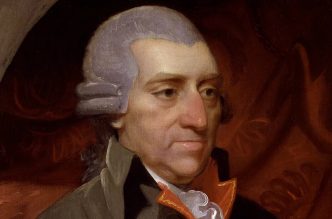

Basic Information
| Field | Details |
|---|---|
| Name | Richard Quiney |
| Birth | c. 1550s (mid-16th century) |
| Death | 1602 |
| Residence | Stratford-upon-Avon, Warwickshire, England |
| Occupations | Merchant; civic official; alderman; bailiff (mayor of Stratford-upon-Avon) |
| Known For | Author of the only surviving letter addressed to William Shakespeare (1598) |
| Spouse | Elizabeth Quiney (surname not securely recorded in surviving documents) |
| Children | Thomas Quiney (baptized 1589), and other children recorded in parish registers |
| Notable Connections | Father-in-law by marriage to Judith Shakespeare (through his son Thomas); associate of William Shakespeare |
A Merchant at the Heart of a Market Town
Richard Quiney moved in the quicksilver current of a market town on the rise. Stratford-upon-Avon in the late 16th century pulsed with trade—grain, cloth, wine—where merchants steered civic life as much as commerce. In this world, Quiney was both shopkeeper and statesman. He served as chamberlain, alderman, and eventually bailiff (the town’s chief magistrate), a role that demanded diplomacy, accounting, and a steady hand when misfortune visited. He lived at the intersection of ledger and law, a place where a well-placed signature could stabilize a street and a new bylaw might calm the river of rumor.
The 1598 Letter to William Shakespeare
On a crisp autumn day in 1598, Quiney reached for paper in London and wrote to William Shakespeare, then a working dramatist of rising fame. He asked for £30—a significant sum, the kind that could float civic obligations or mend a financial gap—offering security and naming potential guarantors. That single sheet is the only surviving letter addressed to Shakespeare. It gives us a rare glimpse of social trust: a municipal leader appealing to a hometown playwright for assistance in a moment of need. The tone is brisk, businesslike, and familiar, proof that Stratford’s networks stretched from timbered houses to theater doors and back again.
Civic Service and Missions to London (1597–1598)
Quiney’s civic record includes trips to London on Stratford’s behalf. Market towns faced burdens of taxation, occasional disasters, and the constant need to secure privileges or relief. As bailiff and alderman, Quiney became a courier of local interests. These missions demanded stamina—days on the road, lodging away from family, audience with officials, calculation of risks. He had to be persuasive and precise, the kind of official whose word could travel and whose accounts would be audited line by line when he returned.
The Quineys and the Shakespeares: A Family Web
Family threads tighten the knot between Quiney and Shakespeare. Richard’s son, Thomas Quiney—baptized in 1589—became a vintner and married Judith Shakespeare, William’s younger daughter, in February 1616. The marriage brought the two families under one domestic canopy. Their union produced three sons born between 1616 and 1619; heartbreakingly, all died young, ensuring that Shakespeare’s direct line through Judith did not continue. The Quiney name thus stands at an intimate threshold of literary history: near the poet’s hearth, next to his papers, within earshot of his bequests.
A Scandal in 1616 and Its Reverberations
Marriage banns, ecclesiastical courts, and moral expectations formed the scaffolding of everyday life. In 1616, Thomas Quiney faced ecclesiastical censure over an affair with Margaret Wheeler, who died in childbirth that spring. Fines and public penance followed. Though this episode occurred years after Richard’s death, it shook both households. It also affected wills and inheritances, sharp reminders that private matters could ripple through ledgers and testaments with long shadows.
Economics in a Single Number: £30
Numbers anchor stories. £30 in 1598 was not pocket change; it represented months of wages for laborers, a meaningful stake for tradesmen, and a cushion against a bad season. Adjusted loosely for modern value, it equates to several thousand pounds. That figure tells us that Shakespeare was seen as a man with liquid means and that Quiney’s request expressed confidence in a trusted relationship. The amount hints at Stratford’s scale, where one loan could stabilize accounts and where a merchant’s promise still stood taller than any ink.
Records, Signatures, and the Town’s Paper Trail
Quiney’s name surfaces in council minutes, account books, and the town’s administrative papers. These documents map the warp and weft of the borough: orders about markets, fines, repairs, and reliefs. His signature—when it appears—is typically efficient, the mark of an official used to authorizing payments and chasing receipts. The surviving letter to Shakespeare sits like a polished stone in that stream of routine paperwork, unique yet entirely of its administrative river.
Family Table
| Name | Relation to Richard Quiney | Lifespan | Notes |
|---|---|---|---|
| Elizabeth Quiney | Spouse | — | Married to Richard; surname not securely recorded from surviving data |
| Thomas Quiney | Son | 1589–mid-17th c. | Vintner; married Judith Shakespeare in Feb 1616; faced ecclesiastical censure that year |
| Judith Shakespeare | Daughter-in-law | 1585–1662 | William Shakespeare’s younger daughter; married Thomas Quiney |
| Shakespeare Quiney | Grandson | 1616 | Died in infancy |
| Richard Quiney (child of Thomas) | Grandson | 1616–1617/1619 | Died young |
| Thomas Quiney (child of Thomas) | Grandson | 1619–1639 | Died in youth |
Note: Parish records from the era are incomplete; additional Quiney children appear in registers, but details vary.
Timeline Highlights
| Year | Event |
|---|---|
| c. 1550s | Birth of Richard Quiney in or near Stratford-upon-Avon |
| 1589 | Baptism of his son, Thomas Quiney |
| 1597–1598 | Civic missions to London; Quiney acts for Stratford in taxation and relief matters |
| 25 Oct 1598 | Quiney writes to William Shakespeare requesting £30 (the surviving letter) |
| 1602 | Death of Richard Quiney |
| Feb 1616 | Thomas Quiney marries Judith Shakespeare |
| 1616–1619 | Births of Thomas and Judith’s sons; all die young |
Daily Life and the Merchant’s Rhythm
Imagine the rhythm: tallying accounts at dawn, inspecting stock by noon, attending council by afternoon, drafting orders at dusk. Quiney lived in numbers and names—casks, bolts, fines, allowances—tangible units that buoyed a household and town alike. His world was practical yet porous; theater folk wandered in from London, legal petitions drifted toward Whitehall, and every ledger entry carried human breath behind it.
Reputation and Community Standing
To be elected bailiff required trust. Neighbors recognized Quiney’s competence and moderation, the steady virtues of an early modern administrator. He was no grand magnate and no mere shopkeeper. He occupied that sturdy middle: a reliable voice, a man for whom the town’s well-being outweighed self-display. His letter to Shakespeare exemplifies that position—forthright and economical, anchored in civic duty rather than private drama.
Why Richard Quiney Matters
The best histories pivot on ordinary people doing consequential things. Quiney’s significance springs from two facts: he kept the town running, and he left a single, precious communication that touches England’s greatest writer. One sheet of paper becomes a window: into trust between townsmen, into finance and favor, into the braid of commerce and art. Through Quiney, Stratford speaks—firm, practical, and human.
FAQ
Who was Richard Quiney?
A Stratford merchant and civic leader who served as alderman and bailiff and penned the only surviving letter addressed to William Shakespeare.
What did his 1598 letter ask Shakespeare to do?
He requested a £30 loan, offering security and signaling confidence in Shakespeare’s ability to help.
How is Quiney connected to Shakespeare’s family?
His son, Thomas Quiney, married Judith Shakespeare in February 1616, linking the families by marriage.
Did Thomas and Judith have surviving descendants?
No; their three sons died young, and Judith’s line did not continue.
What roles did Quiney hold in Stratford?
He served as chamberlain, alderman, and bailiff, managing town finance, regulation, and legal matters.
When did Richard Quiney die?
He died in 1602, after a career of civic service and mercantile work.
How significant was £30 in 1598?
It was a substantial sum, worth several thousand pounds in modern terms.
Was Quiney a close friend of Shakespeare?
The surviving letter shows familiarity and trust, but the exact nature of their relationship beyond civic and business ties is not fully documented.