







The Hidden Story: How Plumbing Creates a Haven for Mold
Mold doesn’t need a flood to move in—it just needs moisture, darkness, and time. Leaky supply lines, damp drain traps, sweating pipes, and quiet drips around water heaters create the perfect backstage for spores to settle and spread. In many homes, these microclimates hide behind drywall, beneath cabinets, and around floor penetrations, making mold more of a slow burn than a dramatic event.
Everything hums when plumbing is healthy and balanced, like your home’s circulatory system. Its breakdown causes moisture to pool, air to get heavier, and musty smells. Combine routine plumbing care with mould avoidance to safeguard pipes, walls, floors, and lungs.
Early Clues: Spotting Leaks Before They Spawn Trouble
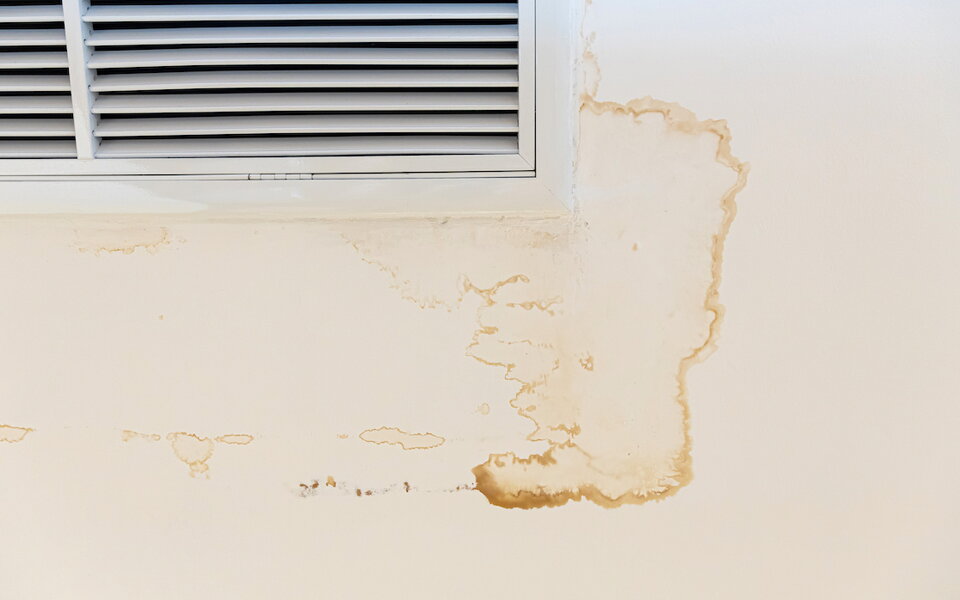
Small leaks are stealthy. You might first catch them in subtle wall discoloration, a bubble under paint, a damp seam at a baseboard, or a mysteriously rising water bill. That faint, earthy smell? Take it seriously. Run your hands along supply lines and shutoff valves under sinks and behind toilets, and check the flooring around dishwashers and washing machines for softness or darkened seams.
Hidden leaks don’t have to stay hidden. A simple moisture meter can tell you if a suspect wall or floor is holding dampness, while an infrared camera can reveal cool spots where water is lurking. If you find a leak, don’t patch and pray—repair it fully, dry the area thoroughly, and recheck after 24–48 hours to make sure the moisture doesn’t rebound.
Keep Water Moving: Drainage Habits that Shut Down Mold
Stagnant water is mold’s favorite hangout. Slow drains invite biofilm and organic build-up that keep surfaces wet longer than they should. Equip sinks with drain screens, avoid washing food scraps or oils down the kitchen sink, and flush household drains periodically with hot water to help break up residue.
For drains that have turned stubborn, skip the harsh chemicals that can damage pipes and instead use mechanical clearing or professional cleaning. Check the caulk and seals around tubs and showers, and keep an eye out for wet grout lines or soft drywall near drain lines—those are early warnings that water is escaping where it shouldn’t.
The Water Heater: Quiet Giant, Big Moisture Risks
Water heaters with tanks might leak the most quietly. Sediment buildup causes rusting, leaky tank seams, and trickling drain valves that saturate floors. Check tank base and walls for moisture, rust trails and mineral crust. Find out why your temperature and pressure relief valve discharges—it indicates system stress.
Drain the tank on a regular schedule to purge sediment, check fittings for tightness, and verify the pan and drain line (if installed) are clear and properly pitched. Give the unit room to breathe; adequate ventilation helps cut down condensation and prevents the warm, humid halo that mold loves to inhabit.
Humidity Control: Make Your Air Unfriendly to Mold
Mold thrives when relative humidity climbs above 50%. Bathrooms, kitchens, laundry rooms, and basements are prime zones, especially when combined with even small plumbing imperfections. A simple hygrometer will give you a read on the air’s moisture; once you have numbers, it’s easier to build habits that work.
Run exhaust fans during and for 20–30 minutes after showers and cooking. Use a dehumidifier in damp lower levels, and keep doors open where possible to encourage airflow. Pair these moves with fast fix-it responses when leaks appear, and you drastically reduce the conditions mold needs to gain traction.
Armor for Your Pipes: Insulation and Sealing Done Right
When cold drinks sweat, uninsulated cold-water pipes in humid environments do too. That condensation drips down pipes onto wood, plasterboard and insulation, fuelling mould. Insulate exposed pipes in basements, crawlspaces, attics, and behind access panels.
Seal around pipe penetrations where they pass through walls and floors; gaps invite both drafts and moisture migration. Tight joints and properly supported lines reduce stress on fittings, which in turn lowers the risk of slow leaks that go unnoticed until the musty smell gives them away.
Fast Responses: When to Call in the Pros
Many faults can be found with keen eyes and routine tests, but some are hidden. If a leak persists, walls feel spongy, or your meter or infrared scan reveals moisture spreading, call a pro. Professionals can pressure-test lines, find concealed failures, and repair without demolition.
Speed matters. The first 24–72 hours after a leak are critical—drying materials quickly can prevent mold from colonizing. Pros can also advise on targeted drying, negative air containment if needed, and whether damaged materials should be removed or can safely be restored.
Rituals that Save Walls: Routine Home Checkups
Build a habit of quick monthly walkthroughs. Open the cabinet doors under sinks and trace the supply lines; look for drip marks, mineral deposits, or swollen particleboard. Check toilet bases for movement and the floor around them for discoloration. Peek behind the washing machine and under the laundry tub for dampness, and glance around the dishwasher kick plate.
Quarterly, scan ceilings for faint rings and baseboards for swelling. Test water pressure and listen for pipes that groan or knock—odd sounds often signal stress or intermittent leaks. These rituals take minutes and can save you from a full-blown mold remediation later.
FAQ
How do I know mold is linked to a plumbing issue?
Look for moisture patterns near fixtures, pipes, or appliances, and watch for musty odors or discoloration that align with water use.
What indoor humidity level should I target to discourage mold?
Keep relative humidity below 50% to make conditions unfriendly to mold growth.
How often should I inspect my water heater for leaks?
Give it a quick look monthly and perform a more thorough check, including draining for sediment, at least once a year.
Are infrared cameras worth it for finding hidden leaks?
They’re a helpful tool to reveal cool, damp areas behind surfaces without opening walls.
Can pipe condensation alone cause mold?
Yes—persistent sweating on cold lines can wet surrounding materials and fuel mold over time.
Do clogged or slow drains increase mold risk?
They do, because lingering water and organic buildup create damp, nutrient-rich zones.
When should I call a professional plumber or remediation team?
If dampness persists, spreads, or involves hidden spaces, or if you suspect structural damage, bring in experts quickly.
Is it enough to fix a leak without drying the area?
No—repair the leak and thoroughly dry affected materials within 24–72 hours to prevent mold colonization.


