
Embarking on a journey toward a culinary degree is both exciting and rigorous. As you step into the world of gastronomy, you’ll encounter a diverse array of skills and knowledge designed to prepare you for a vibrant career in the food industry. The curriculum is designed not only to teach the practical aspects of cooking but also to provide a deeper understanding of the culinary arts as a whole. Whether you aspire to become a celebrated chef or a food industry entrepreneur, the educational path you choose will play a pivotal role in molding your future success. Below, we outline the details of such a program.
Exploring the Core Curriculum of a Culinary Degree Program
The core curriculum of a culinary degree program is structured to impart a comprehensive skill set. From mastering knife techniques to understanding flavor profiles, students are groomed to navigate the fast-paced kitchen environment. Basics are fundamental, covering everything from kitchen safety to the intricacies of various cooking methods. In some cases, a culinary degree program might partner with industry-leading restaurants, allowing students to specialize in certain cuisines under the guidance of top chefs.
Advanced courses may delve into the art of pastry, butchery, and international cuisines, ensuring that students are well-rounded in their culinary skills. Additionally, business management and hospitality courses prepare students for the administrative and service aspects of the industry. Within these classes, many students gain valuable insights into running a successful food-based business.
A key component is the study of nutrition, which prepares future chefs to create balanced, health-conscious menus. Sustainability and food sourcing are other critical topics covered, reflecting the industry’s growing commitment to environmentally responsible cooking.
In addition to kitchen-focused classes, students engage in courses that hone their sensory evaluation skills, enabling them to taste and critique dishes with a discerning palate. Such classes often instill in students a newfound appreciation for the science and sensory enjoyment of food, which is essential to creating extraordinary culinary experiences.
The Importance of Hands-On Experience in Culinary Schools
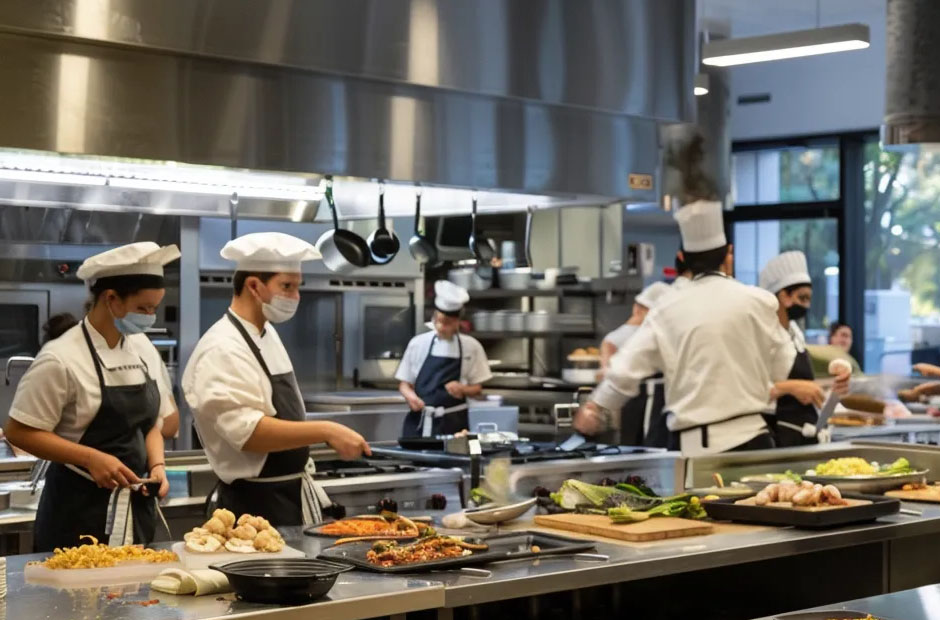
There is an irreplaceable value in the hands-on experience students gain at a culinary school. Kitchens become classrooms, and every ingredient is a learning opportunity. Students spend countless hours practicing their craft, receiving immediate feedback from experienced instructors.
The pressure and pace of a working kitchen are simulated in school environments to prepare students for real-world expectations. Teamwork and the ability to work under pressure are emphasized through group projects and timed cooking challenges. Through these practical exercises, students come to understand the importance of efficiency and precision in the culinary arts.
Internships and externships form a critical part of the hands-on learning process, often facilitated by the schools themselves. Students have the opportunity to apply their skills in real-world restaurant settings, an experience that cultivates confidence and practical application.
Understanding the Role of Theory in Culinary Arts Education
While hands-on experience is crucial, the theoretical underpinning of culinary education is equally important. The study of theory introduces students to the historical context of cooking traditions and techniques. It’s within these discussions and lectures that students begin to appreciate the evolution of culinary arts.
Food science is another theoretical area critical to understanding the chemical processes that occur during cooking. By understanding why certain ingredients behave as they do under heat or when mixed, chefs can innovate and troubleshoot recipes more effectively.
Theory classes often include case studies of successful restaurants and food businesses. These analyses hone students’ strategic thinking skills and provide insight into the various pathways available within the culinary world.
Cuisine theory also addresses global food cultures and traditions, fostering appreciation for the diversity within the culinary spectrum. This aspect of education equips students with the knowledge needed to create culturally respectful, authentic international dishes.
Specializations and Electives: Tailoring Your Culinary Degree
A culinary degree doesn’t have to be one-size-fits-all. Many programs offer specializations and electives that allow students to tailor their education to specific interests or career paths. Whether it’s a love for pastry arts or a desire to delve into fermentation sciences, these courses offer a closer look at niche subjects.
Electives can range from advanced wine studies to food photography, broadening skill sets applicable across various aspects of the food industry. Such classes encourage the pursuit of passions that can differentiate a chef in a competitive market. These collaborations often open doors to networking opportunities and potential job offers upon graduation.
For those seeking to enhance their business acumen, some schools offer entrepreneurship-focused courses. These specializations are designed to cultivate future restaurant owners and food industry innovators, with a curriculum that dives deep into business planning, funding, and marketing.
Overall, a culinary degree is a multifaceted program that equips passionate individuals with the tools to excel in the culinary field. From honing technical skills in state-of-the-art kitchens to exploring the theoretical aspects of the food domain, the curriculum offers comprehensive preparation for a successful career. It’s an artistic and scientific education in which every flavor, technique, and business lesson serves as a stepping stone toward culinary mastery.