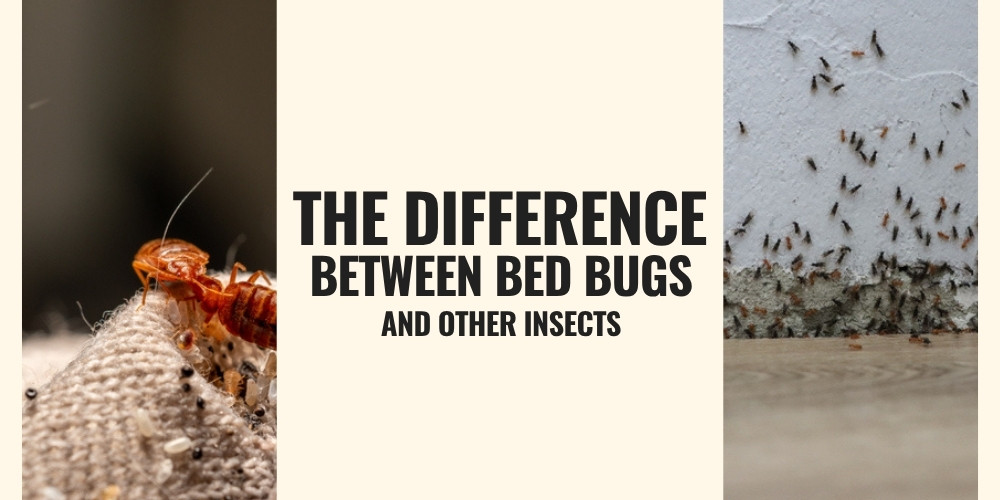
Do you wake up with bites and question what’s causing them? Confusing bed bugs with fleas, ticks, or other pests is easy. However, learning how to identify bed bugs helps you target the problem correctly and avoid wasted effort. Small details like size, color, and behavior can answer your needs. Read on to see how you can separate fact from guesswork.
Common Pests Mistaken for Bed Bugs
Not every small crawling insect at home is a bed bug. Several pests look or act similarly, making identification difficult. The following are the most common pests homeowners confuse with bed bugs:
A. Carpet Beetles, Fleas, Ticks
These pests often appear in the same areas as bed bugs or leave similar bite marks. On the other hand, you can differentiate them by knowing their differences, such as:
- Carpet beetles: Round and fuzzy with a patterned shell. They feed on fabrics, not blood. This distinction is a key factor in bed bugs vs carpet beetles identification.
- Fleas: Tiny and flat with the ability to jump. They also feed on pets and people.
- Ticks: They’re larger and move more slowly. It attaches to the skin for long periods.
B. Cockroach Nymphs
Meanwhile, cockroach nymphs can resemble bed bugs in size and color during early growth stages. These traits separate them from true bed bugs:
- Body shape: More cylindrical compared to the oval shape of bed bugs.
- Behavior: Found in kitchens, bathrooms, or basements, not in mattresses.
- Development: Go through multiple molts before reaching adulthood.
Key Traits of Bed Bug Identification
Proper identification is the first step toward managing an infestation. Bed bugs share similarities with other pests but also have distinct traits. The following characteristics explain how to identify bed bugs effectively.
a. Shape, Size, and Movement
Bed bugs have unique physical features that set them apart, such as:
- Shape: Oval, flat bodies that expand after feeding.
- Size: Comparable to an apple seed, usually 4–5 mm long.
- Movement: Crawl slowly and cannot jump or fly.
b. Where They Hide
Bed bugs prefer dark, tight spaces close to people. These are common hiding places:
- Mattresses and box springs: Along seams, tags, and under folds.
- Furniture and baseboards: Inside cracks, joints, and wall trim.
- Personal items: In bags, clothing, or upholstery near sleeping areas.
Bite Pattern Differences
Bite marks usually indicate the start of a pest problem. While they may look similar, understanding patterns helps with correct identification. The following differences show how to recognize common bite reactions:
A. Bed Bugs vs Fleas
Bed bugs and fleas leave itchy bites, but their patterns and locations are not identical. The following points highlight the difference between bed bugs and fleas:
- Bed bugs: Bites usually form in clusters or straight lines, often on exposed skin such as arms or legs.
- Fleas: Bites appear in scattered groups, most commonly around ankles or lower legs.
- Timing: Bed bugs bite mainly at night, while fleas can bite throughout the day.
B. Reactions and Symptoms
Furthermore, bite reactions vary, but some patterns remain consistent, including:
- Bed bug bites: Red, raised welts that may itch for several days.
- Flea bites: Small red bumps with a central puncture, sometimes surrounded by a halo.
- Other responses: Some people show mild irritation, while others may develop swelling or allergic reactions.
Inspection Tips for the DIYer
Homeowners can perform basic checks before contacting professionals. Utilizing simple tools and focusing on key areas can reveal early signs of infestation. The following tips outline practical steps for DIY inspections:
a. Flashlight + Credit Card Method
This method helps uncover pests hiding in cracks and seams. Consider the following steps for better results:
- Shine the light directly: Focus on cracks, seams, and corners where pests may hide.
- Slide the card into gaps: Run the card along mattress seams, furniture edges, and baseboards to expose insects.
- Look for evidence: Check for live pests, shed skins, or small dark spots.
b. Mattress and Baseboard Scan
Mattresses and baseboards are common hiding spots that reveal activity early. These approaches help reveal hidden pests:
- Lift the mattress: Check seams, folds, and tufts for stains or insects.
- Inspect the bed frame: Look closely at joints, screw holes, and under slats.
- Scan baseboards: Examine edges and behind furniture for droppings or shells.
When to Call an Expert for Confirmation
Sometimes, DIY inspections are not enough to confirm what type of pest you have. In these cases, professionals use specialized methods for accurate results. The following techniques explain how experts confirm infestations:
A. Professional Visual Inspection
Professionals know how to spot evidence that is easy to miss. They rely on the following checks:
- Inspect hiding areas: Examine mattress seams, furniture joints, and baseboards for live bugs or eggs.
- Identify evidence: Look for shed skins, droppings, or stains that indicate pest activity.
- Differentiate species: Distinguish bed bugs from similar pests such as carpet beetles or cockroach nymphs.
B. Heat Detection Tools
They also use technology when pests remain hidden. The following tools improve accuracy:
- Thermal imaging scans: Detect heat patterns that reveal bed bug clusters.
- Portable heat sensors: Locate pests in furniture or wall voids by detecting body heat.
- Non-invasive checks: Confirm presence without dismantling large sections of the home.
Identify Pests with Confidence!
Therefore, understanding the difference between bed bugs and other insects can save you from unnecessary stress and wrong treatments. While many pests look alike, paying attention to small details makes all the difference in keeping your home safe. If you want to be certain, learning how to identify bed bugs is the best step toward clear answers and effective action.