
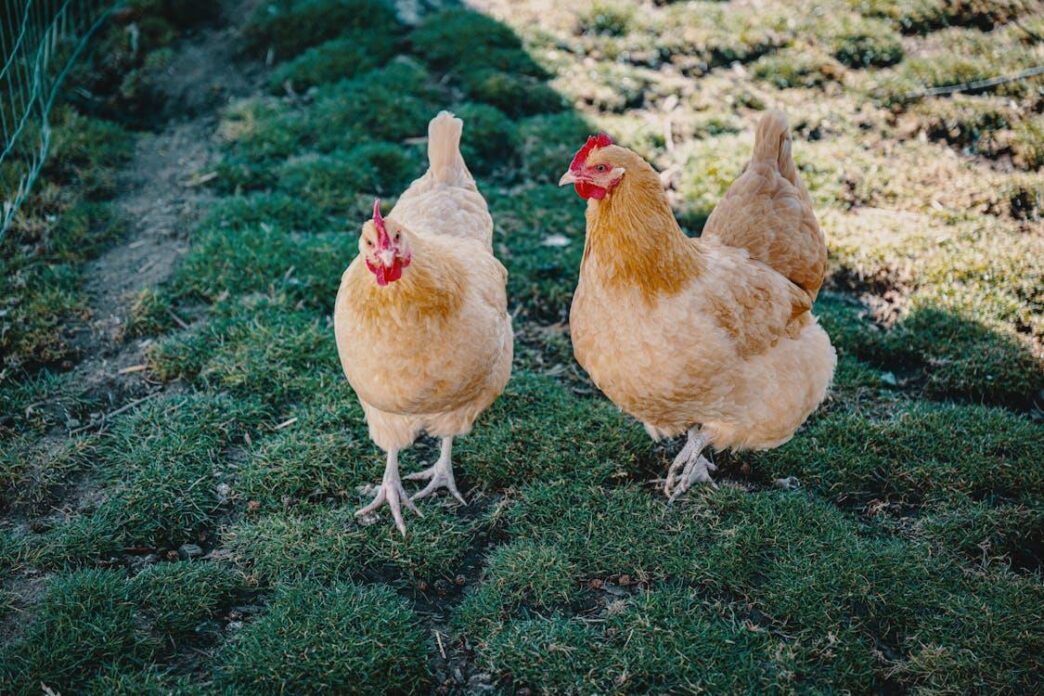
Ever thought about raising chickens but felt unsure where to begin? You’re not alone. More Americans are turning their backyards into mini farms, trading grocery store eggs for fresh ones laid just a few steps from the kitchen. With the rise of urban homesteading and food insecurity concerns, chickens have become the new neighborhood pets—only with more attitude and better breakfast benefits.
A Return to Homegrown Living
The surge in backyard chickens isn’t just about saving money on eggs. It reflects a broader cultural shift toward sustainability and self-reliance. Pandemic-era shortages and skyrocketing food prices pushed many households to reconsider where their food comes from. Suddenly, having your own flock felt less like a quirky hobby and more like smart planning.
Still, raising chickens isn’t as simple as tossing some feed in the grass and calling it a day. Their environment matters deeply, not just for their health but for your peace of mind—and your neighbors’ noses. Creating a clean, safe, and functional space for chickens means balancing natural habits with smart design choices.
Shelter Comes First
Every healthy flock needs a well-ventilated, predator-proof coop. Chickens are hardy, but exposure to wind, rain, and extreme temperatures can lead to illness fast. A good coop doesn’t just block the elements—it also provides enough space for each hen to roost comfortably without crowding. Overcrowding causes stress, and stressed birds stop laying eggs and start pecking each other.
Now, while some opt for homemade wood structures, others explore innovative options like a modern chicken barn, especially in suburban settings where space is limited and HOA rules are strict. These setups blend style with functionality, offering better insulation, ease of cleaning, and protection from pests. Whether you’re deep in the city or on rural acreage, choosing the right structure lays the foundation for a healthy, happy flock.
Cleanliness Isn’t Optional
A dirty coop doesn’t just smell bad—it breeds parasites and disease. Chickens scratch, peck, and poop—constantly. Without routine maintenance, even the most charming setup becomes a breeding ground for mites, lice, or worse. Deep-litter systems are popular because they compost bedding over time, reducing waste and odor if managed correctly. But they still need oversight.
Refresh waterers daily. Scrub feeders weekly. Replace bedding often. It’s tempting to skip the grunt work, but disease spreads fast in flocks. Clean coops lead to clean eggs and fewer vet bills. Plus, no one wants to collect breakfast while holding their nose.
Ventilation Is the Unsung Hero
People often confuse warmth with health, stuffing coops with insulation but forgetting airflow. That’s a mistake. Chickens expel moisture through breathing and droppings, and without airflow, that moisture builds up fast—leading to respiratory issues or frostbite in colder months. Vents placed near the roof (away from the roost) allow ammonia and humidity to escape without creating drafts.
It’s not about making the coop draft-free. It’s about letting the air move in ways that keep things dry, fresh, and breathable. Think of it like opening a bathroom window—not because it’s cold, but because it’s healthy.
Predator-Proofing: The Hidden Battle
Your backyard might feel safe, but raccoons, hawks, and even neighborhood dogs don’t care about your sense of security. They care about dinner. And chickens, unfortunately, make easy targets. Locking the coop at night is step one. Adding hardware cloth (not chicken wire, which is surprisingly flimsy) around the base, windows, and doors can stop many predators in their tracks.
Digging critters are another issue. Lining the coop perimeter with buried wire mesh, or building on concrete slabs, keeps things secure. Losing a bird to a raccoon is a sad, often avoidable lesson. Don’t wait for it to happen to take prevention seriously.
Space to Scratch and Roam
Chickens are natural foragers. They want to peck, dig, dust-bathe, and explore. Confined birds get bored, and boredom turns into aggression. A healthy environment includes not just shelter, but freedom. If a free-range setup isn’t possible due to space or safety, consider a large run with varied terrain. Add logs, stumps, or hanging cabbage heads to stimulate curiosity.
Even a simple dust bath—just a shallow hole filled with sand and wood ash—keeps parasites off and hens entertained. Think of it as their version of a day spa, only much dirtier.
There’s something refreshing about creating a space where animals can live naturally, yet safely, within our human-dominated world. Backyard chickens offer eggs, yes—but also lessons in care, responsibility, and living a little slower. In a time when food systems feel more fragile than ever and screen time dominates daily life, stepping outside to collect eggs from birds you’ve raised yourself feels revolutionary in its simplicity.
Chickens don’t care about your Zoom meetings or your TikTok feed. They care about dry bedding, a secure coop, and a bug or two to chase around the yard. And maybe that’s the real gift: a daily reminder that health—whether yours or your chickens’—starts with the environment you build.