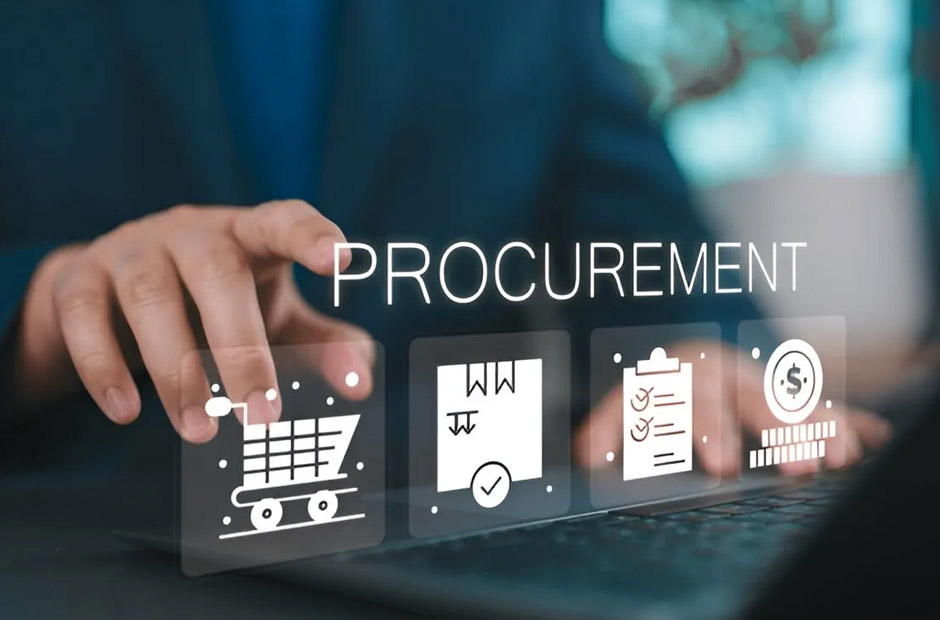
Cooperative procurement—also known as cooperative purchasing or group purchasing—is a procurement strategy in which multiple organizations join together to purchase goods or services through shared contracts. By aggregating demand and standardizing purchasing processes, cooperative procurement delivers significant economic benefits across public, nonprofit, and private sectors.
As organizations face tighter budgets, inflationary pressures, and increased accountability, cooperative procurement has become an increasingly attractive financial tool. In the scheme of an economic benefit model, its impact is far more holistic.
Lower Unit Costs Through Aggregated Demand
One of the most direct economic advantages of cooperative procurement is lower unit pricing. When organizations purchase collectively, suppliers gain access to larger, more predictable volumes of business. In exchange, they are often willing to offer reduced per-unit costs, volume discounts, and more favorable pricing tiers.
For individual organizations—especially smaller ones—matching this purchasing power independently would be difficult or impossible. Cooperative contracts level the playing field, allowing participants to benefit from economies of scale typically reserved for large buyers.
Reduced Administrative and Transaction Costs
Procurement involves more than simply purchasing products. Competitive bidding, contract negotiation, legal review, and vendor vetting require significant time and staff resources. Cooperative procurement centralizes these functions, allowing member organizations to avoid duplicating work.
By using pre-solicited and pre-awarded contracts, organizations reduce administrative overhead, shorten procurement timelines, and free staff to focus on core responsibilities. These savings may not always appear as line-item reductions, but they translate into measurable economic efficiency over time.
Budget Predictability and Cost Stability
Cooperative procurement also improves budget predictability. Many cooperative contracts include fixed pricing, multi-year terms, or capped escalation clauses. This helps organizations plan more accurately and protect themselves from sudden price increases or market volatility.
For public sector entities and educational institutions operating on annual or multi-year budgets, predictable pricing is especially valuable. It reduces financial risk and allows decision-makers to allocate resources with greater confidence.
Increased Competition and Market Access
Contrary to the assumption that cooperative procurement limits competition, well-structured cooperatives often expand it. Vendors gain access to a broad pool of potential customers through a single competitive solicitation, lowering their cost of sales. This encourages participation from a wider range of suppliers, including small and regional businesses.
Greater competition leads to better pricing, improved service levels, and innovation. Cooperative procurement can also introduce organizations to vendors they may not have identified independently, increasing market transparency and choice.
Improved Vendor Performance and Accountability
Economic value is not solely about price. Cooperative contracts typically include performance standards, service-level agreements, and compliance requirements that vendors must meet to remain eligible. Because these contracts serve multiple organizations, suppliers have strong incentives to perform consistently and protect their reputation within the cooperative network.
This reduces the hidden costs associated with poor performance, such as delays, rework, or contract disputes. Over time, improved vendor accountability contributes to better overall value and lower total cost of ownership.
Risk Mitigation and Cost Avoidance
Cooperative procurement also helps mitigate financial risk. Contracts are often reviewed for legal compliance, insurance requirements, and financial stability, reducing the likelihood of costly errors or disputes. For organizations without in-house procurement or legal teams, this oversight can prevent expensive mistakes.
Additionally, cooperatives often monitor market trends and adjust contract offerings accordingly. This proactive approach helps members avoid outdated pricing or unfavorable terms that could increase long-term costs.
Economic Benefits for Small and Mid-Sized Organizations
Smaller organizations frequently experience the greatest economic impact from cooperative procurement. Limited staffing, lower purchasing volumes, and constrained budgets can make traditional procurement inefficient or cost-prohibitive.
Cooperative procurement allows these organizations to access the same pricing, terms, and protections as larger entities. This not only lowers costs but also improves operational resilience and financial sustainability.
Broader Economic Impact
Beyond individual organizations, cooperative procurement can generate broader economic benefits. Standardized contracts reduce market fragmentation, improve supply chain efficiency, and encourage long-term vendor investment. Public sector cooperatives, in particular, promote responsible stewardship of taxpayer funds by maximizing value and minimizing waste.
In many cases, cooperative procurement also supports local and regional economies by creating opportunities for qualified vendors to scale their offerings and reach new markets.
Conclusion
Cooperative procurement delivers substantial economic benefits by lowering costs, reducing administrative burden, improving budget stability, and enhancing vendor performance. As financial pressures continue to mount across sectors, cooperative procurement offers a proven strategy for achieving efficiency without sacrificing quality or compliance.
By shifting from isolated purchasing to collaborative buying, organizations can unlock meaningful savings, manage risk more effectively, and direct limited resources toward their core missions.