
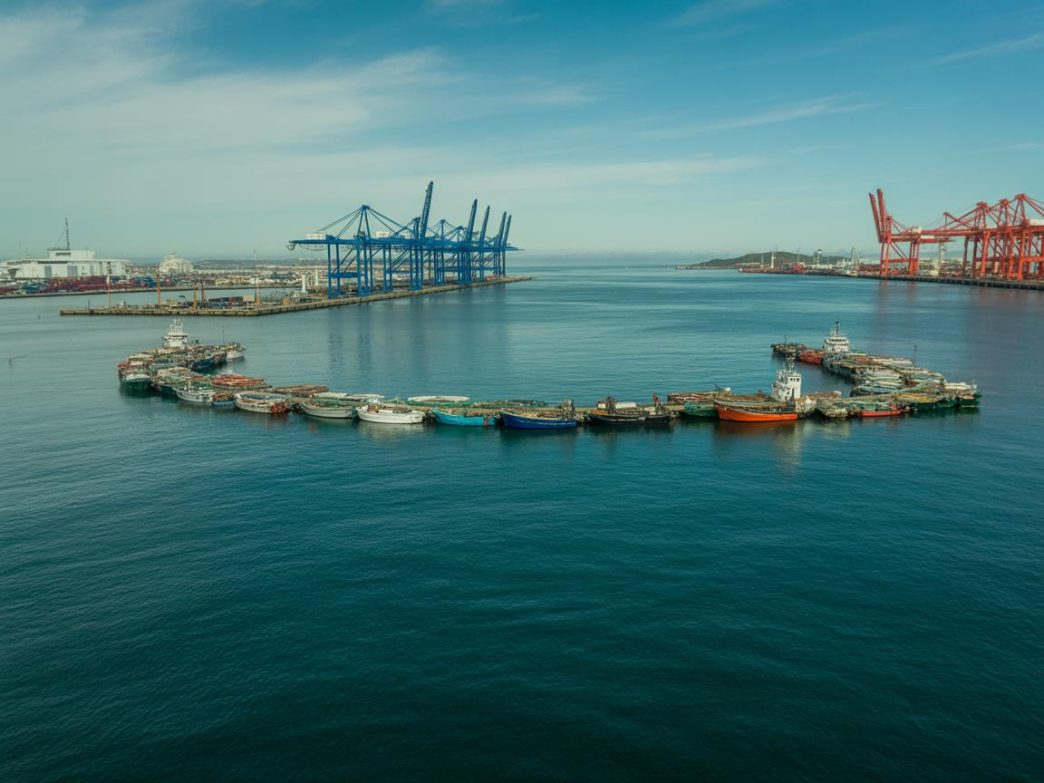
Traveling along the world’s coastlines reveals more than scenic vistas and charming harbors; it opens a door into a living culinary history defined by tides, trade, and the knowledge of generations of fishermen. Ports are not just transit hubs — they are cultural expressions, where local identity meets global exchange. Journeys through maritime communities become journeys into flavor, ritual, and sustainability, making every coastal stop an opportunity to taste authentic heritage.
Coastal Culture as a Story of Survival and Craft
Many iconic destinations rose from the ocean inward. Their food traditions tell of necessity and innovation — how communities learned not only to catch the sea’s bounty but to preserve it, share it, and celebrate it. Centuries before modern transportation, coastal societies needed reliable ways to keep seafood edible during long voyages and harsh seasons. Over time, salting, smoking, and later technological advances transformed availability and distribution, ensuring access to quality proteins even when waters were distant or harsh.
A Traveler’s Lens on Quality and Preservation Traditions
As travelers wander through global markets — from Bergen to Busan to Boston — they encounter different cultural interpretations of seafood preservation. Some cultures prize live-tank selection, others highlight curing techniques, and in modern culinary trade, the consistency and reliability of frozen seafood have bridged seasonal gaps and geographic distance to bring quality fish to both coastal and inland dining tables.
European Ports: Old Harbors With Deep Food Memory
In Western Europe, ports like Lisbon, Marseille, and Dublin invite travelers to taste maritime history. Here, seafood culture blends rugged practicality with sophisticated culinary artistry. In Portugal, salted cod (bacalhau) became a national icon due to centuries of preservation traditions and long Atlantic voyages. In France, bouillabaisse reflects the fisherman’s practical stew: whatever came in from near-shore nets became the day’s flavorful meal. Dublin’s waterfront, meanwhile, has seen its own revival of oyster culture, symbolizing how seafood can transition from working-class sustenance to fine-dining celebration.
Nordic Harbors and the Culture of Clean Waters
Travel north and one finds harbors that venerate purity, ecology, and stewardship. Norway, Finland, and Iceland approach seafood with minimalism and respect. The pristine quality of Nordic waters and strict fishing regulations support sustainability and freshness. Smoked salmon, cured herring, and dried stockfish are testimony to traditional methods that maximized storage before refrigeration existed. In these regions, maritime cuisine is a quiet ritual, one of clarity, seasonal ingredients, and restraint.
The Mediterranean Approach: Abundance and Celebration
Around the Mediterranean, ports pulse with markets, hand-gestures, and bargaining banter. Fishermen return at dawn, and chefs wait eagerly to see which seafood shapes the day’s menu. Greece loves grilled simplicity with lemon and oregano. Italy brings seafood into pasta, risotto, and hearty coastal stews. Spain, with its iconic seafood paella and tapas culture, transforms market offerings into vibrant, communal meals. The Mediterranean is where seafood is not just eaten; it is celebrated loudly, socially, and with theatrical joy.
Atlantic Crossings and New-World Adaptations
Cross into the Americas and ports show a blending of indigenous techniques, colonial influences, and modern innovation. In New England, lobster culture is not merely a product; it is a regional identity. The Gulf ports celebrate shrimp and grouper across a spectrum from humble family shacks to Michelin-rated restaurants. South America, particularly Peru and Chile, bring seafood into citrus-bright ceviche and grill-driven Pacific cooking. Across these coasts, ocean identity fuses with local flair.
Asian Harbors: Mastery, Ritual, and Precision
Asian port cities demonstrate some of the world’s deepest seafood traditions. Japan’s sashimi culture demands absolute clarity of freshness and sourcing, while Korea’s coastal towns highlight fermented seafood as a cultural cornerstone. In the Philippines, seafood becomes communal — from grilled danggit in Cebu to tuna culture in General Santos. China’s markets thrive on immediacy and abundance, reflecting centuries of maritime trade routes. Across Asia, seafood preparation is precise, intentional, and deeply rooted in lifestyle and geography.
Field Notes for the Travelling Diner
While exploring these ports, travelers develop an instinctive intuition for quality. They learn to read clarity of eyes in fish, firmness of flesh, scent of brine, and the consistency of cold-chain handling. They come to understand why some cultures lean toward curing, others toward raw consumption, and still others embrace modern distribution practices, where frozen seafood supports global accessibility while maintaining integrity when handled properly.
How Ports Teach Us About Global Food Systems
Every harbor is also a node in a larger system: fishing vessels, inspectors, transport networks, storage facilities, and culinary destinations. Observing this chain teaches travelers how food really moves. They see that good sourcing involves people — fishermen, processors, wholesalers, cooks, and market vendors — each with a role in protecting flavor and safety. They understand that sustainability is not abstract; it is visible in net sizes, quotas, and respect for spawning seasons.
Respecting the Ocean and Those Who Work It
Beyond consumption, travelers come to appreciate the hardship of seafaring labor. Fishing is dangerous, exhausting work. Weather turns quickly, equipment fails, and waters can be unforgiving. Yet generations persist, not merely for economic gain but for cultural legacy and pride. Dining in a harbor-side café becomes a form of gratitude — a silent acknowledgment of unseen effort.
Bringing Coastal Lessons Home
The traveler eventually leaves the harbors behind, but their understanding of seafood quality remains transformed. They carry knowledge of how flavor is tied to geography, tradition, and science. They remember the taste of the sea from different shores, the sound of early-morning auctions, and the smell of salt carried on the wind. Long after their journey ends, they can apply this awareness at local markets, restaurants, or even in their own kitchens, ensuring that respect for the ocean transcends borders.