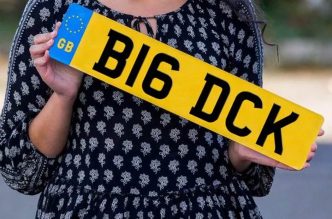
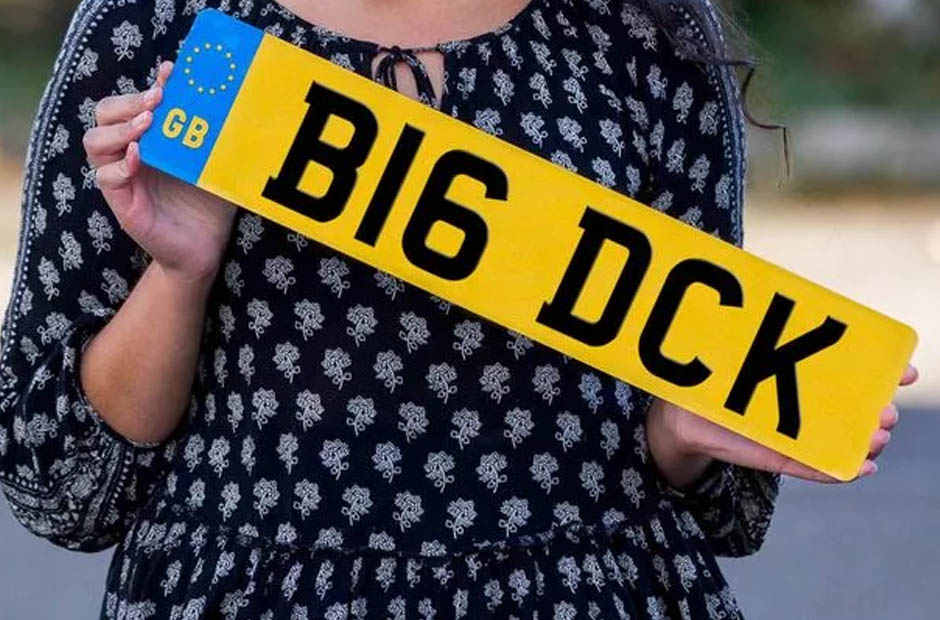
The world of vehicle registration plates in the United Kingdom is as diverse as the vehicles themselves. Among them, some plates have gained notoriety for their rudeness, controversy, or sheer audacity. These plates often provoke laughter, shock, or even outrage, leading to their ban by the Driver and Vehicle Licensing Agency (DVLA). This blog post delves into the world of the UK’s rudest and most controversial plates, exploring why they were banned and their cultural significance.
Understanding the DVLA’s Role
The DVLA plays a crucial role in regulating number plates in the UK. It oversees vehicle registrations and ensures that all vehicles on British roads adhere to legal standards, including those pertaining to registration plates. The agency is responsible for issuing new plates and maintaining a database of registered vehicles.
One key aspect of its operations is the regulation concerning offensive or inappropriate registration plates. The DVLA has established guidelines aimed at preventing the issuance of plates that could be deemed rude or offensive to any section of society. This includes not just explicit language but also any connotations that may lead to public offense.
The Criteria for Banning Plates
The DVLA employs a set of criteria when determining whether a registration plate should be banned. These criteria include:
- Explicit Language: Plates that contain foul language or slurs are swiftly banned.
- Sexual Connotations: Any plate that could be interpreted as having sexual undertones is also subject to prohibition.
- Hate Speech: Registration plates that promote hate against any group are outrightly rejected.
- Public Sensitivity: The DVLA takes into account societal norms and sensitivities when assessing potential bans.
These guidelines ensure that the integrity and decorum of vehicle registration are maintained while allowing for a certain degree of creativity and personalization among vehicle owners.
Examples of Banned Plates
Numerous examples illustrate the DVLA’s stringent stance on rude and controversial number plates. Some notorious cases include:
- A1 DCK: This plate was designed to be humorous but was ultimately deemed too explicit.
- F1 GAY: Although intended as a playful tribute, it was considered potentially offensive.
- P1 SSER: Similar to A1 DCK, this plate plays on a crude term but crossed the lines set by the DVLA.
Such examples highlight how even seemingly innocuous phrases can be interpreted in ways that lead to bans.
The Impact of Banned Plates on Car Enthusiasts
For car enthusiasts, personalized number plates represent a unique opportunity for self-expression. However, the banning of certain plates can lead to frustration within this community. Many individuals find that their creative ideas are stifled by regulations they view as overly restrictive.
The demand for unique private plates remains strong despite these limitations. Companies like Top Reg cater specifically to this market, providing options that comply with DVLA regulations while still allowing customers to express their individuality.
Additionally, some enthusiasts have turned to creative alternatives—using different letter-number combinations or foreign registrations—while still aiming for humor or personal significance.
Public Reactions and Controversies
Public reactions to banned number plates can vary dramatically. While some people support the DVLA’s efforts to maintain decency on British roads, others feel that such regulations infringe upon personal freedoms.
Social media often serves as a platform for debate regarding specific bans, with some users advocating for more lenient policies while others cite potential harm caused by inappropriate plates.
Controversies arise when certain phrases are deemed offensive by some but not by others, leading to discussions about cultural sensitivity and freedom of expression. In these discussions, brands like Top Reg often find themselves at the intersection of personal choice and public perception.
The Cultural Context of Number Plates in the UK
Number plates serve as more than just identifiers for vehicles; they also act as markers of cultural identity and social commentary in many cases. In British society, where humor often intertwines with cheekiness, it is not uncommon for people to seek out number plates that reflect their personalities or beliefs.
As such, rude or controversial plates can often serve as a tongue-in-cheek reflection of societal norms rather than genuine attempts at offense. For instance, some drivers view clever wordplay on their number plates as part of British humor rather than an affront to decency.
Understanding this cultural context can shed light on why certain phrases resonate with individuals while simultaneously raising eyebrows among others.
How to Navigate Purchasing Private Plates
For those interested in acquiring private number plates while steering clear of controversy, several steps can help ensure compliance with DVLA regulations:
- Research Available Combinations: Use online platforms or dealers like Top Reg to explore available options.
- Check for Existing Regulations: Familiarize yourself with current DVLA guidelines regarding acceptable phrases.
- Consider Alternative Spellings: Get creative with letter-number combinations that capture your desired meaning without crossing any lines.
- Seek Professional Advice: Consult with experts who specialize in private plate sales if you’re unsure about your choices.
By following these steps, prospective buyers can navigate the sometimes murky waters of private plate acquisition successfully.
Exploring Future Trends in Number Plate Regulations
As society evolves, so too do perceptions surrounding acceptable language and imagery on vehicle registration plates. While today’s regulations focus heavily on explicit language and hate speech, future trends may involve broader considerations around inclusivity and representation.
It is possible that we will see changes reflecting societal shifts toward greater awareness around issues such as gender identity and cultural sensitivity in years to come.
For businesses like Top Reg, staying ahead of these trends will be crucial for maintaining relevance within an ever-changing marketplace.
In summary, while bans on rude and controversial number plates may frustrate some enthusiasts seeking individuality through their vehicles, they ultimately reflect broader societal values aimed at promoting respect and understanding across diverse communities in the UK.
As new regulations emerge alongside changing cultural norms, both car owners and businesses will need to adapt accordingly while continuing to prioritize creative expression within acceptable boundaries.