You lace up before sunrise, chase personal bests on lunch breaks, and steal one more set before dinner. In places rich with parks and trailheads—think Highlands Ranch on a clear, golden evening—movement becomes second nature. But the unsung partner to every bold effort is recovery, and skipping it turns a good grind into a slow unravel. This isn’t a bubble-bath cliché; it’s the practical toolkit that keeps your body durable, your mind sharp, and your momentum steady.
Why Recovery Matters as Much as the Workout
Training is designed to stress. You strain muscles, deplete energy, and adjust your nervous system. Recovery is when improvements are made. When the balance is too far towards “go,” you’ll notice slow mornings, grumpy joints, and halted progress. Recovery should be a training block. Better performance, longer streaks, and fewer sidelines await.
Hydration That Keeps Up With You
Dehydration doesn’t require a desert. Warm days, altitude, and back-to-back workouts can dehydrate you before you notice. Sip from a bottle all day, not just during sessions. Replace sodium, potassium, and magnesium with electrolytes for longer or sweatier workouts to prevent cramping and keep neurones and muscles firing. IV hydration can help accelerate fluid and electrolyte restoration after a long run or an evening game, but see a registered Highlands Ranch provider to ensure protocols are matched to your needs. Smart hydration boosts stamina, mood, and recovery speed while feeling small.
Sleep: Your Nightly Performance Upgrade
If training is the spark, sleep is the oxygen. During deep sleep, muscles repair micro-tears, hormones rebalance, and the brain consolidates skills learned in that tough interval set. A consistent sleep-wake rhythm is the secret sauce—your body loves predictability. Set the stage with a cool, dark room, dim the screens an hour before bed, and treat late caffeine like a rival team. Skimping doesn’t just sap energy; it raises injury risk, blunts reaction time, and makes that third mile or final set feel like a wall. You don’t need perfection. You need “mostly consistent.”
Eat to Rebuild: Smart Post-Workout Nutrition
Food isn’t a reward—it’s raw material. After training, your muscles are primed to refuel glycogen (carbs) and repair fiber (protein). Pair the two within a couple of hours: yogurt and fruit, eggs and toast, chicken and quinoa, or salmon and sweet potato all hit the notes. Add colorful produce for antioxidants and a drizzle of healthy fats to support joints and calm inflammation. If appetite is low right after a hard session, start small with a smoothie, then follow with a balanced meal. Supplements can fill gaps, but whole foods deliver the broad nutrient spectrum your recovery team craves.
Flexibility and Mobility: The Quiet Fix
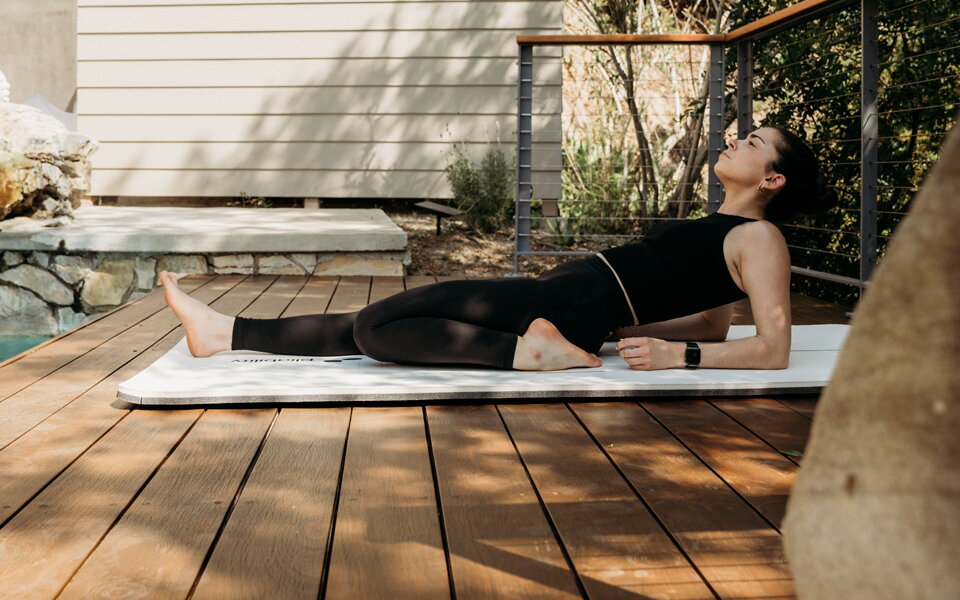
The hard part ends when the clock stops, right? Not quite. Short mobility sessions keep the machinery running smoothly. Use dynamic movement to warm up—leg swings, inchworms, hip circles—and then after you’re done, shift to slow, static stretches that coax tight tissue to let go. Foam rolling or a lacrosse ball on stubborn spots can change how you move tomorrow. Five to ten focused minutes a day is enough to open range of motion, balance out asymmetries, and quiet the stiffness that sneaks up after a week of wins.
Mindset & Mental Recovery
Physical training is loud; mental recovery whispers. Carve out small pockets of quiet—two minutes of breath work in the car, a short body scan on the couch, or a page of journaling before bed. These micro-breaks clear mental static, trim stress hormones, and restore the kind of focus that turns consistent work into better work. For intense training cycles, consider mental “deloads” just like you do physical ones: one lighter day for the mind, swapping doomscrolling for sunshine, music, and a real conversation.
Spotting Overtraining Before It Bites
Your body leaves crumbs. Stay alert for weariness, irritation, restless sleep, creeping soreness, faltering excitement, or workouts that feel harder than usual. Minor aches occur more commonly; colds last longer. Reduce intensity, switch sessions for active recuperation, or take a day off when in doubt. Protect your fitness, not lose it.
Lean on Pros When It Counts
Self-care is adequate, but a good team goes beyond. An experienced massage therapist can find foam roller-ignored knots. Physical therapists identify movement abnormalities before they become injuries. Sports-minded chiropractors and physicians improve stride, squat depth, and shoulder health through alignment and joint mechanics. Even if you’re not competing, regular checkups beat rehab every time.
Rest Days and Active Recovery That Actually Work
Rest days aren’t defeats; they’re design features. Tissue heals, energy returns, and motivation snaps back. If stillness makes you stir-crazy, lean into active recovery: a mellow spin, easy laps in the pool, a gentle yoga flow, or a meandering walk under big Colorado skies. Keep the intensity low and the movement smooth. You’re flushing out waste products, delivering nutrients, and telling your nervous system, “We’re safe. Rebuild.”
FAQ
How much water should I drink if I train most days?
Aim to sip consistently throughout the day and adjust based on sweat, climate, and workout length rather than chasing a single number.
Do I need electrolytes after every workout?
Short, light sessions usually don’t, but longer or sweat-heavy workouts call for sodium and other electrolytes to keep performance steady.
What’s the best window for post-workout meals?
Try to eat a mix of protein and carbs within two hours of finishing, with a small snack sooner if appetite is low.
How many rest days should I take each week?
Most active people benefit from one to two rest or active recovery days, adjusted for training volume and how you feel.
Are IV hydration therapies safe for athletes?
They can help in specific scenarios when administered by licensed professionals, but everyday hydration should still come from fluids and food.
What are early signs I’m overtraining?
Lingering fatigue, cranky moods, poor sleep, stalled progress, and soreness that lingers longer than usual are common flags.
Is it better to stretch before or after a workout?
Use dynamic movements before to warm up and save static stretching for after to ease tightness and support flexibility.
How much sleep do active adults really need?
Seven to nine hours works for most, with consistency in timing often mattering as much as total minutes.