Warts can be frustrating, persistent, and sometimes embarrassing. Whether they appear on your hands, feet, or other parts of the body, most people want a safe and effective way to get rid of them. Fortunately, there are multiple approaches to wart removal, ranging from simple home remedies to professional clinic treatments. Understanding these options can help you make an informed decision and achieve clear, healthy skin.
What Are Warts and Why Do They Form?
Warts are small skin growths caused by the human papillomavirus (HPV). They often appear on areas prone to friction or minor injuries, like hands, feet, and fingers. While generally harmless, warts are contagious and can spread through direct contact with the affected skin or contaminated surfaces, making proper care essential.
Different types of warts exist, including common warts, plantar warts, flat warts, and filiform warts. Each type can respond differently to treatments, so identifying your wart type helps in choosing the most effective method. By combining careful hygiene, monitoring the affected area, and using suitable wart removal strategies, you can minimize spreading and improve your skin’s health. Understanding why warts develop empowers you to take proactive steps toward prevention and treatment.
Home Remedies for Wart Removal
Many people prefer to start with home remedies because they are convenient, cost-effective, and gentle on the skin. Salicylic acid, available in gels, liquids, or adhesive pads, gradually exfoliates wart tissue, allowing new skin to form. Daily application over a few weeks often yields noticeable results.
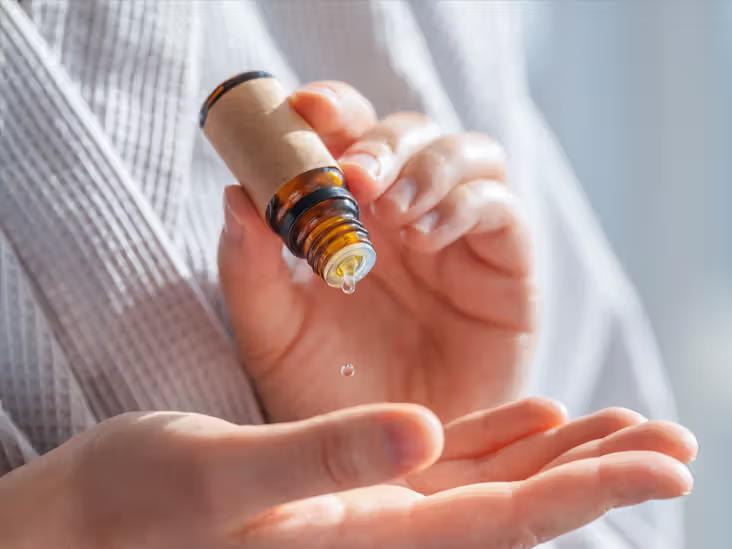
Other natural options include essential oils like tea tree oil, oregano oil, or lavender oil, which contain antiviral and healing properties. Apple cider vinegar is also popular for its acidic effect, helping to break down wart tissue over time. While these methods take patience, consistent application combined with proper hygiene can make home-based wart removal effective without harsh chemicals.
Over-the-Counter and DIY Products
OTC treatments provide a convenient bridge between home remedies and clinic interventions. Cryotherapy kits, which use freezing agents to destroy wart tissue, are commonly available and can treat small warts effectively. These products mimic professional freezing treatments but are gentler and accessible at home.
Other OTC options include medicated pads or patches containing salicylic acid or lactic acid, designed for easy application. Consistency is key—daily application and monitoring for irritation help achieve results safely. For people hesitant to visit a clinic, combining OTC products with gentle home care offers a practical approach to wart removal that balances convenience and effectiveness.
Clinic Treatments for Stubborn Warts
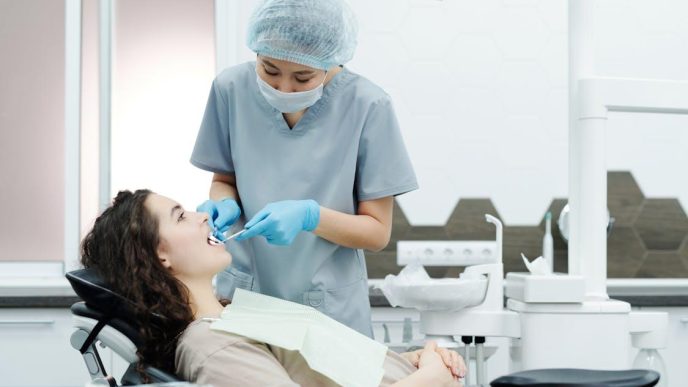
For warts that are large, painful, or resistant to home treatments, professional clinic solutions often provide faster and more reliable results. Dermatologists can perform cryotherapy using liquid nitrogen, laser therapy, or minor surgical procedures to remove warts efficiently. Prescription-strength topical treatments and immunotherapy may also be recommended for stubborn cases.
Clinic treatments tend to have higher success rates and minimize the risk of scarring when compared to DIY methods. They are particularly useful for plantar warts or warts in sensitive areas. Even if you start with home remedies, consulting a professional ensures your approach to wart removal is safe, effective, and tailored to your specific needs.
Tips for Prevention and Healthy Skin
Once warts are removed, preventing new outbreaks is just as important. Maintaining good hygiene, avoiding direct contact with warts on other people, and keeping the skin moisturized reduces the risk of recurrence. Using protective footwear in public showers and pools helps prevent plantar warts.
Strengthening the immune system through a balanced diet, exercise, and stress management supports natural resistance against HPV. Avoid picking or scratching existing warts, which can spread the virus. Following these habits, alongside consistent wart removal treatments, ensures long-term skin health and reduces the likelihood of future outbreaks.
Conclusion: Choosing the Right Approach
Whether you opt for home remedies, OTC products, or clinic-based treatments, effective wart removal is achievable with the right approach. Understanding the type of wart, maintaining consistency, and adopting preventive measures are key to success.
For additional guidance and insights, platforms like height provide tips, product reviews, and community support to help manage wart care more effectively. By combining informed treatment choices with healthy habits, you can confidently tackle warts and maintain smooth, healthy skin.