
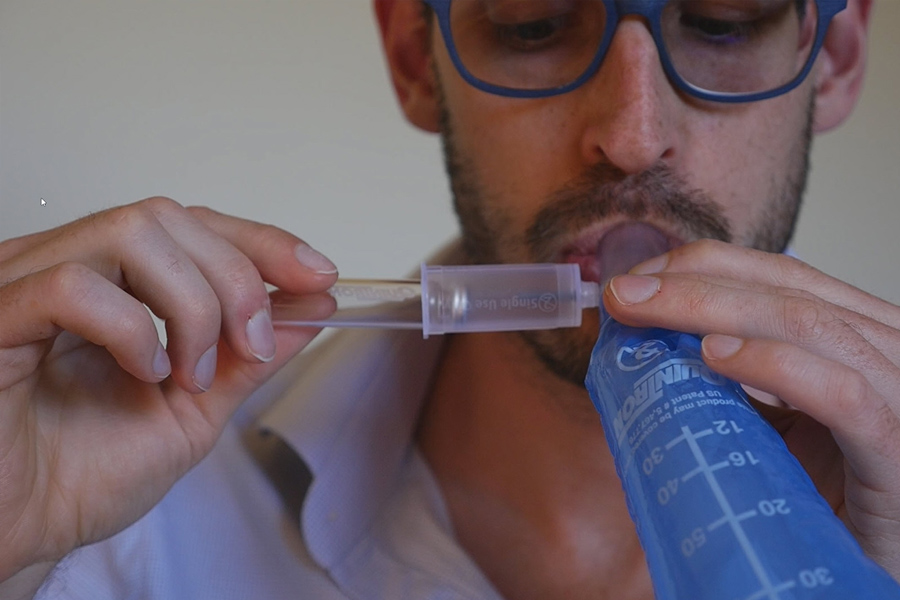
The SIBO Test is an essential diagnostic tool used to identify Small Intestinal Bacterial Overgrowth (SIBO), a condition where excessive bacteria accumulate in the small intestine. This condition can lead to various digestive issues and discomfort, making accurate diagnosis crucial for effective treatment. The SIBO Test is non-invasive and typically involves measuring hydrogen and methane levels in the breath, which are indicative of bacterial activity in the digestive tract.
What is SIBO?
Small Intestinal Bacterial Overgrowth (SIBO) occurs when an unusually large number of bacteria colonise the small intestine, which is normally sparsely populated with bacteria compared to the large intestine. This overgrowth can interfere with normal digestion and absorption, leading to symptoms such as bloating, abdominal pain, diarrhoea, and malnutrition.
Causes of SIBO
The causes of SIBO are varied and can include issues such as decreased gut motility, anatomical abnormalities, and chronic diseases affecting the digestive system. Conditions such as irritable bowel syndrome (IBS), celiac disease, and diabetes have been linked to an increased risk of SIBO. Certain medications, particularly those affecting gut motility, can also predispose individuals to develop this condition.
How is SIBO Diagnosed?
Diagnosing SIBO typically involves a combination of clinical assessment and breath testing. During the breath test, a patient consumes a substrate like lactulose or glucose, and subsequent hydrogen and methane levels are measured in their breath at regular intervals. Elevated levels indicate the presence of overgrowth, as bacteria ferment these substrates, releasing these gases.
The Role of the SIBO Test
The SIBO Test provides a non-invasive method for diagnosing this condition, offering insights into the type and extent of bacterial overgrowth. By understanding these factors, healthcare professionals can tailor treatment strategies to effectively manage the condition.
Preparing for the SIBO Test
Preparation for a SIBO breath test typically involves dietary restrictions for a specific period before testing. Patients are usually advised to fast and avoid certain foods that may influence test results, such as high-fibre or fermentable foods, for 24 hours prior. Specific instructions are provided by healthcare professionals to ensure accurate results.
Interpreting SIBO Test Results
The results of a SIBO test are interpreted based on the levels of hydrogen and methane gases detected in the breath samples. High levels suggest an abnormal bacterial presence. It is crucial for medical practitioners to consider these results alongside clinical symptoms to arrive at a comprehensive diagnosis.
Treatment Options for SIBO
Treatment for SIBO often involves a combination of dietary adjustments, antibiotics, or other antimicrobial treatments to reduce bacterial load. Probiotics and supplements may also be recommended to support digestive health and restore normal gut flora.
Dietary Adjustments to Manage SIBO
Dietary management plays a significant role in alleviating SIBO symptoms. Reducing fermentable carbohydrates can help minimise symptoms and support recovery. Healthcare providers often suggest a diet low in fermentable oligosaccharides, disaccharides, monosaccharides, and polyols (FODMAPs).
Antibiotic Therapy for SIBO
Antibiotics, such as rifaximin, are commonly prescribed to target bacterial overgrowth in SIBO. The choice of antibiotic and duration of treatment depend on the specific bacterial profile and clinical presentation. Repeated courses might be necessary to achieve optimal results.
The Role of Probiotics in SIBO Treatment
Probiotics are often used alongside other treatments to restore a healthy balance of gut bacteria. They may help reduce symptoms and prevent recurrence by promoting the growth of beneficial bacteria and inhibiting pathogenic strains.
Long-term Management of SIBO
Long-term management of SIBO focuses on preventing recurrence, often requiring lifestyle changes such as dietary modification and continued probiotic use. Regular monitoring and follow-up testing are essential to ensure sustained improvement.
When to Seek Medical Advice
Individuals experiencing persistent digestive symptoms should consult a healthcare professional for evaluation and possible testing. Early diagnosis and treatment can prevent complications and enhance quality of life.
Conclusion
The SIBO Test is a valuable tool in diagnosing and managing Small Intestinal Bacterial Overgrowth, providing essential information to guide treatment strategies. Understanding the causes, symptoms, and treatment options helps patients and professionals effectively manage this condition, improving health outcomes and quality of life.