A Quiet Revolution Beneath Your Feet
The charm of radiant heating is evident when you step onto a softly sun-warmed floor. Radiant systems heat the floor instead of vents, distributing heat evenly. Rooms are cosy from corner to corner without fans, desert-dry air, or temperature variations that require hourly thermostat adjustments.
Under that calm surface, two main approaches do the work: hydronic systems that circulate warm water through tubing, and electric systems that use heating cables or mats. Both deliver comfort where you actually live—at human height and underfoot—making them one of the most elegantly simple paths to a greener home.
Energy Efficiency You Can Feel
Radiant floors heat people and objects directly, so they can operate at lower water or surface temperatures than forced-air systems need for the same comfort. Because there are no ducts, there’s no heat lost to leaky runs in attics or crawl spaces—just steady, targeted warmth.
That evenness matters. When your feet and surroundings are warm, you feel comfortable at lower thermostat settings, shaving energy use without sacrificing comfort. It’s a quiet kind of efficiency: subtler than a new appliance, but often more impactful day after day, season after season.
Comfort That Wraps the Room
Radiant floors eliminate drafts and cold areas. The warmth envelopes a space in a gentle gradient, preventing chilly ankles and hot heads. No airflow means the device doesn’t dry out or dust your space. Mornings are gentler. Rooms remain calm. Bathrooms become spas on grey winter days.
That acoustic comfort is part of the charm too. No fans. No registers. Just a calm backdrop where the temperature feels like it’s set by the sun.
Smaller Footprint, Bigger Impact
Lower operating temperatures and reduced distribution losses translate into less energy required to meet your comfort needs. That means fewer greenhouse gas emissions when paired with efficient heat sources, and a smaller home carbon footprint without daily lifestyle trade-offs.
Radiant systems also help cut peak demand—those coldest hours when the grid strains—by doing more with less. Over the years, those quiet savings add up to a meaningful environmental win, one room at a time.
Savings that Compound Over Time
Radiant floors can cost more to install, especially as a retrofit, but the long game is where they shine. High efficiency, lower setpoints for the same comfort, and minimal maintenance help bills stay tame year after year. There are no filters to replace monthly, no duct sealing appointments, and fewer moving parts to fuss over.
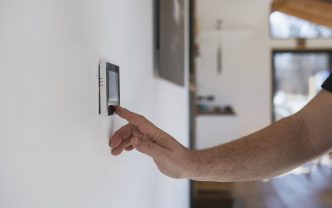
Smart thermostats and zoning amplify those benefits. You can lean into the strengths of radiant—steady, low-temperature heat—by keeping spaces exactly as warm as they need to be, no more. The payoff is a blend of comfort and thrift you can feel in both your toes and your utility statements.
Built to Play Nice with Renewables
Radiant floors compliment modern, clean heat sources since they are low-temperature superstars. Air-to-water and ground-source heat pumps work best in low-temperature systems. Solar thermal can supplement hydronics. Solar energy can offset electric radiant or heat pump energy.
Condensing boilers also operate at their best with cooler return water, so when fossil fuel is involved, radiant still helps extract every last bit of efficiency. The result is a system that’s ready for where energy is headed—cleaner, smarter, and more resilient.
Healthier Air, Happier Mornings
Dust and allergies decrease without air blasts. Families with asthma or indoor irritant sensitivities benefit daily from that. While rooms keep a comfortable temperature, indoor humidity remains better balanced without airflow drying.
When the heating system disappears into the background, the air simply feels better: calmer, cleaner, easier to breathe.
Design Notes: Getting the Most from Radiant Floors
Radiant is a feeling system, but details matter. Thermal mass, like concrete slabs or thick pours, accumulates and releases heat slowly, providing consistent comfort. Aluminium transfer plates and precise tube spacing increase heat distribution and response times in wood-frame flooring.
Insulation beneath the system is non-negotiable. Keeping heat moving up into the room rather than down into the structure maximizes efficiency. Zoning lets you tailor temperatures to how you actually live: warm the bath, hold the guest room cooler, keep the nursery perfect.
Floor coverings affect performance. Tile and polished concrete conduct heat well, as do engineered wood and some carpets with the correct design. Low-profile panels may fit beneath new flooring with minimal accumulation, and electric mats add luxury to baths and kitchens without a whole-home remodel.
Radiant thrives on steadiness. Instead of big daily setbacks, think slow-and-consistent, especially in high-mass builds. Pair it with airtight construction and good ventilation, and you’ll get that “always just right” feeling that spoils you for any other heat.
Freedom in business is not an accident. It grows from plans you can explain on a single page and habits you repeat every week. According to American Heritage Properties specialists, the goal is to build a company that pays you, protects you, and gives you choices for years to come.
FAQ
Is radiant floor heating more efficient than forced air?
Often, yes. It operates at lower temperatures and avoids duct losses, delivering comfort directly where it’s needed.
Can radiant floors work with heat pumps?
Absolutely. Low-temperature radiant circuits are an ideal match for air-to-water or ground-source heat pumps.
Do radiant systems improve indoor air quality?
They help. No moving air means less dust and fewer allergens stirred into circulation.
Are electric radiant mats expensive to run?
They can be cost-effective for small areas like bathrooms, especially when used selectively and on timers.
Will carpet or wood flooring reduce performance?
A bit, but not necessarily a deal-breaker. With proper design and materials, engineered wood and certain carpets work well.
Is radiant floor heat safe for kids and pets?
Yes. The warmth is gentle and enclosed, with no hot surfaces or exposed components.
Can radiant floors cool a home?
Not typically. They’re designed for heating; pair with separate cooling or ventilation solutions if needed.
Is radiant a good choice for retrofits?
It can be. Low-profile panels and room-by-room installations make many remodels feasible without major demolition.
How long does a hydronic radiant system last?
With quality components and proper installation, decades. It also requires relatively low ongoing maintenance.
Do I still need thermostats with radiant?
Yes. Zoned thermostats or smart controls keep rooms comfortable and energy use in check.