Most people pick a color because they like how it looks, or because it was the only option on the lot, or because it feels normal. White, black, silver, and gray are all safe and popular choices.
But research keeps pointing to something uncomfortable. Car color can affect how often a vehicle is involved in an accident. In some situations, the color alone can put a driver at a higher risk of a crash.
This does not mean color decides everything. It does not mean a safe driver suddenly becomes unsafe because of paint. But it does mean visibility, contrast, and how the human eye works play a role. This applies everywhere in the United States. City streets, highways, suburbs, and rural roads. Baltimore drivers are part of that bigger picture, too.
What Baltimore Drivers Need to Know About Car Colors and Road Safety
If you’re a driver in Baltimore, pay attention to the following things:
The Most Common Car Colors Are Not Always the Safest
In North America, most cars are black, silver, or gray. They fill parking lots and highways. They feel neutral and familiar. But these colors do not all perform the same when it comes to safety.
Some of them, especially darker or muted tones, are harder to see in certain conditions such as dawn, dusk, rain, fog, night driving, and heavy traffic.
This does not mean they are bad cars. It just means they carry different risks.
Black Cars Have Visibility Problems
Black cars are often described as sleek or stylish. They photograph well. They look clean when they are clean. But studies have repeatedly shown that black cars are involved in more crashes than many other colors.
One study found that black cars were much more likely to be in accidents during low-light times like dawn and dusk. During full daylight, the risk was still higher, just not as dramatic.
The reason is not mysterious. Black does not contrast well with roads, shadows, or night skies. At night, a black car without strong lighting can blend into the background more than drivers realize.
It is not that black cars are unsafe by design. It is that they ask more from other drivers’ eyes, and sometimes those eyes are already struggling.
Gray and Silver Cars Blend in a Lot
Gray and silver feel like safe middle choices. They’re not too dark, not too bright, and very popular.
But these colors can disappear into the environment in surprising ways. Overcast skies, rain, fog, concrete barriers, and city buildings. Gray on gray is hard to separate quickly.
Research shows that gray and silver cars have a slightly higher crash rate than brighter colors. Silver cars, in particular, can be difficult to see in rain or glare. The reflective surface sometimes works against visibility instead of helping it.
Some studies suggest silver cars may protect occupants better in severe crashes, which complicates the story. Safety is not one straight line. But in terms of being noticed early, silver and gray are not always ideal.
Green Cars Have a Background Effect
Green cars are not very common anymore. But if you have one, you should know and realize that green cars do blend easily into trees, grass, and rural landscapes. In suburban and country settings, a green car can fade into the background more than people expect.
In cities, green may stand out a bit more, depending on the surroundings. That may be why green does not rank as high-risk as black or gray, but it is still not among the safest choices.
Bright Colors Are Always the Best
When a car stands out, it gets noticed sooner. That is the simple idea behind brighter colors. Visibility gives other drivers more time to react, to slow down, and to avoid a mistake. This does not stop every crash, but it helps.
White is often considered the safest car color overall. It shows up well during the day and at night. It contrasts with asphalt, shadows, and dark surroundings. Even in low light, white remains visible longer than darker colors.
Studies have found that white cars are less likely to be involved in crashes compared to black cars, even during daylight hours.
It feels odd because white cars are everywhere. You would think they would blend in. But contrast matters more than popularity.
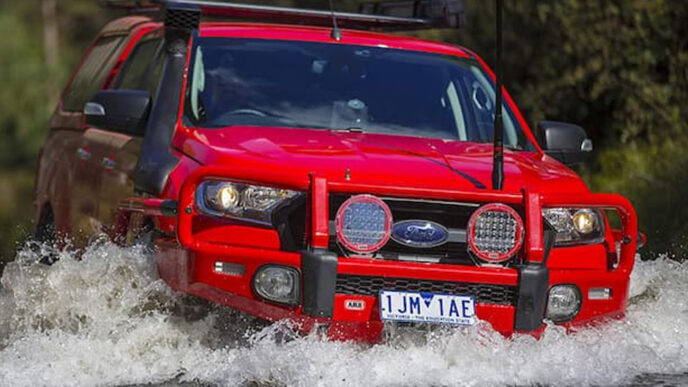
Other safe car colors include red, yellow, and orange.
Car Color Is Only Part of the Story
It is important to stop here and say this clearly. Car color does not cause crashes on its own. Driving behavior matters more. Speeding. Distraction. Impairment. Fatigue. These factors outweigh paint color every time.
A reckless driver in a white car is still a reckless driver. A careful driver in a black car can drive safely for years. Color influences risk, but it certainly does not control it.
Key Takeaways
- Most people choose car colors because they look nice, not because they are safer.
- Car color can affect how easy it is for other drivers to see you on the road.
- Safe driving habits matter more than paint color.
- A careful driver is always safer than a careless one, no matter the car color.