
Ethical fashion affects real people, real places, and the clothes you wear each day. Understanding the basics helps you make calm, confident choices without getting lost in buzzwords.
This guide breaks down what matters most. You will learn how to read labels, spot red flags, and see where laws and standards fit into the picture.
Why Ethical Production Matters
Every garment reflects choices about wages, hours, and safety. When those choices are transparent, workers and communities benefit.
Ethical production lowers risks for you. Products tied to harm can face seizures, recalls, or reputational fallout.
Brands that track their impact tend to improve. Measurement turns promises into progress you can verify.
The more consumers ask for proof, the more the market responds. Your questions are a quiet but powerful lever.
How To Spot Transparent Supply Chains
Transparency starts with basics like factory lists and audit summaries. Look for names, locations, and update dates you can check.
Compare similar items across brands. When you review essentials like MANG Long Sleeve Sun Protection Shirts, also see whether the company discloses tier 1 suppliers and grievance channels. Short claims without details are not enough.
Read policies on subcontracting. Hidden layers can hide the very issues policies claim to solve.
If a brand shares corrective action plans, that is a good sign. It shows they expect findings and plan to fix them.
Labor Rights And Living Wages
A living wage is not the legal minimum. It is what workers need for housing, food, transport, and savings.
Look for time-bound wage roadmaps. Clear targets by factory or region beat vague promises.
Freedom of association matters. Worker committees and union access help keep standards real on the floor.
Safe overtime rules protect health. Caps, rest days, and accurate timekeeping keep hours humane and pay fair.
Check if the brand lists worker grievance channels and publishes audit results. Look for remediation plans that show how wage gaps and safety issues are fixed, not just denied.
Be cautious of peak-season crunch where unpaid overtime or short-term contracts surge. If the price seems impossibly low for the materials and make, it may signal that someone in the chain is not being paid fairly.
Environmental Impacts To Watch
Fabric choice drives much of a garment’s footprint. Know the difference between virgin synthetics, recycled inputs, and natural fibers.
Water and chemistry control matter in dyeing and finishing. Cleaner processes reduce risks for workers and rivers.
Microfibers shed during wear and washing. Filters, tight weaves, and wash bags can help reduce release.
Use this quick checklist when comparing items:
- Fiber source and blend
- Dyeing and finishing methods
- Wash care and durability
- End-of-life options like resale or take-back
Certifications That Actually Mean Something
Third-party standards are tools, not shortcuts. Still, good ones raise the floor across many factories.
A consumer guide from Good On You explains that the Global Organic Textile Standard requires at least 70% organic fibers. The standard covers chemicals, wastewater, and some social criteria.
Bluesign and OEKO-TEX focus on chemical safety and cleaner inputs. They help reduce hazardous substances from the start.
Fair Trade and SA8000 look at working conditions. Together with wage programs, they support safer, more stable jobs.
Laws And Policies Shaping The Industry
Public rules set minimum expectations. They push laggards to catch up.
In July 2024, the European Commission’s corporate sustainability due diligence directive took effect for large firms. It requires companies to identify and address human rights and environmental harms across their value chains.
U.S. enforcement has tightened around forced labor. Officials report thousands of shipments reviewed under a law targeting abuses in certain regions, with more than $3.3 billion in goods examined since 2022.
As these frameworks expand, brands will need deeper traceability. Expect more supplier mapping and proof at each tier.
How To Read Labels And Claims
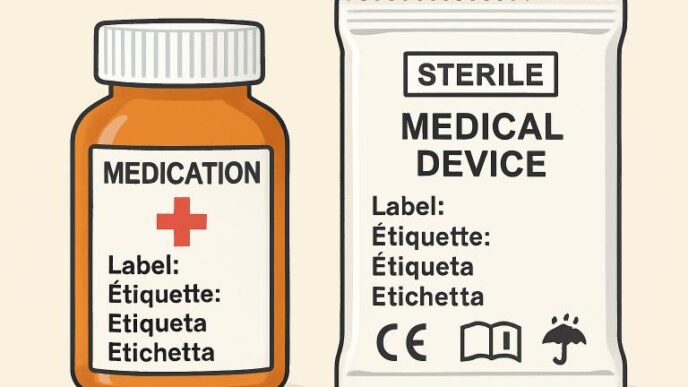
A label should tell you what a garment is made of and where it was made. Look for clarity, not clever phrasing.
Eco-sounding words without standards deserve extra scrutiny. Ask what test or certification backs the claim.
If a product is recycled, note the percentage and which layers. Face fabric, lining, and trims can differ.
Check care symbols so you know how to wash without shrinking or fading. Be wary of “designed in” language when the real manufacturing location is missing. When details are vague, contact customer service or choose a brand that publishes the facts.
Ethical fashion is a journey, not a finish line. You do not need to be perfect to make a real difference.
Small steps add up. Clear standards, honest labels, and steady pressure help turn values into everyday practice.