A traumatic brain injury can change how a person thinks, feels, and functions—even when there’s no obvious external wound. Some people experience persistent headaches, memory problems, dizziness, or personality changes. Others struggle with sleep disruption, emotional instability, or reduced concentration that affects work and relationships. Because these symptoms can be subtle or misunderstood, many people wonder how a traumatic brain injury is actually defined in legal terms, especially when pursuing compensation after an accident.
In California, a “TBI” is not defined by one single statute in the way some medical terms are. Instead, TBIs are treated through injury claims laws that focus on proof: the nature of the injury, medical diagnosis, causation, and the impact on the person’s life. The legal definition comes down to whether the evidence shows that trauma caused damage to the brain and led to compensable harm. If you’re dealing with a suspected brain injury after an accident, Panish | Shea | Ravipudi LLP can help evaluate what qualifies legally, what proof matters most, and how to present a TBI claim clearly.
A TBI Is Defined More By Proof Than By A Label
In California injury cases, the legal system focuses less on the name of the diagnosis and more on what happened and what the injury caused. A traumatic brain injury generally refers to damage to the brain caused by external force, such as a blow to the head or a sudden jolt that disrupts brain function. That can include concussions, moderate TBIs, and severe TBIs.
The “traumatic” part is important. It means the injury must be linked to an external event—like a crash, fall, assault, or sports impact—rather than a disease process. In a lawsuit, proving that link is essential. The claim must connect the accident to the symptoms through medical records, expert opinions, and consistent documentation.
Mild TBI And Concussion Still Count Under The Law
One of the most common misunderstandings is that a concussion is not “real enough” to qualify as a traumatic brain injury. Medically, a concussion is often considered a mild traumatic brain injury. Legally, a mild TBI can still support a claim if it caused symptoms, required treatment, and affected daily functioning.
In many cases, imaging is normal, but symptoms persist. California law doesn’t require a visible brain bleed on a scan to recognize harm. If neurological symptoms began after trauma and are documented consistently, a concussion or mild TBI can still meet the threshold for compensable injury.
The Legal System Looks At Symptoms And Functional Impairment
Because brain injuries can be invisible, symptoms are often central to the legal analysis. Courts and insurers look for documented complaints such as headaches, dizziness, nausea, memory loss, confusion, slowed thinking, sensitivity to light, mood changes, and sleep disturbance.
Functional impact is especially important. For example, difficulty concentrating at work, struggling to drive safely, needing extra time to complete tasks, or experiencing emotional instability can show that the injury affected real-world functioning. When symptoms interfere with daily life, it strengthens the argument that the injury is significant—even if the person appears “normal” externally.
Medical Diagnosis And Testing Help Establish The Injury
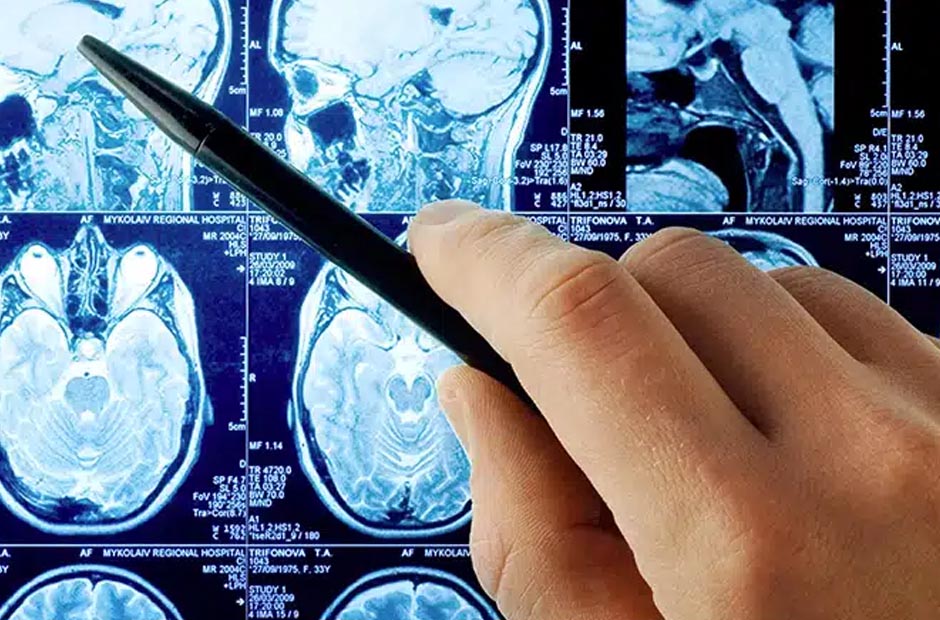
Medical diagnosis is a key part of defining a TBI legally. Doctors may diagnose concussion, post-concussive syndrome, traumatic brain injury, or related neurological conditions. Neuropsychological testing can be especially helpful because it measures cognitive deficits such as memory, attention, processing speed, and executive function.
Specialist evaluations matter too. Neurologists, neuropsychologists, and concussion specialists can support the diagnosis and rule out alternative explanations. In severe cases, imaging, ICU records, surgical notes, and long-term rehabilitation documentation clearly establish the injury’s presence and seriousness.
Causation: The Most Important Legal Question
The biggest legal issue in most TBI claims is causation—proving the accident caused the brain injury. Defendants and insurers often argue that symptoms are due to stress, aging, anxiety, or pre-existing conditions. That’s why timeline evidence matters so much.
If symptoms began right after the incident, were reported early, and continued consistently, causation becomes easier to prove. When there is delayed treatment or large gaps in care, the defense often uses that to argue the injury came from something else. Linking the injury to the trauma is essential to meeting legal standards.
TBI Claims Often Require Expert Testimony
In California, serious TBI cases often rely on experts to explain the injury to a jury. Experts help translate medical concepts into clear, understandable terms. They can explain how the brain was affected, why symptoms persist, and why the injury impacts the person’s ability to work and live normally.
Experts can also support damages. A life care planner may explain future treatment needs. An economist may project future wage loss. These experts help define not only what the injury is, but what it means financially and practically for the injured person over time.
TBIs Are Often Classified By Severity In Claims
While legal claims don’t require a specific severity label, TBIs are commonly described as mild, moderate, or severe based on medical factors such as loss of consciousness duration, amnesia, imaging findings, and long-term impairment. These categories can influence claim value because they often correlate with treatment intensity and permanent limitations.
However, even a “mild” TBI can be life-altering if symptoms persist. Some people recover quickly, while others experience long-term issues. The legal focus remains on evidence of harm and how it changed the person’s life—not just a single label in a chart.
Damages: What The Injury Costs And Takes From You
Under California law, a TBI claim is defined not just by diagnosis but by damages—medical costs, lost income, future care, pain and suffering, and reduced quality of life. Brain injuries can affect work performance, relationships, mood stability, and independence. These losses can be substantial even without visible scars.
Documenting damages is often where TBI cases become strongest. Medical bills show treatment needs. Work records show decline. Witness statements describe personality changes. Together, they show that the injury is more than a temporary inconvenience—it’s a life disruption with real consequences.
In California, A TBI Is Defined By Trauma, Diagnosis, And Impact
A traumatic brain injury under California law is best understood as a brain-related injury caused by external trauma that results in documented symptoms and real-life impairment. There may not be one statute that defines TBI, but legal claims rely on medical diagnosis, consistent symptom reporting, expert analysis, and proof of how the injury affected daily functioning.
If you suspect a TBI after an accident, focus on medical evaluation, follow-up care, and documentation. A strong claim is built by connecting the trauma to the symptoms and showing the true impact on your life—both now and in the future.