In today’s race toward lighter, more efficient, and modular manufacturing systems, even the smallest components play major roles. The metric rivet nut is one such unsung hero— compact yet incredibly effective in joining thin materials where traditional nuts and bolts fall short. This fastening method has become a cornerstone in industries striving for smarter, cleaner assembly practices.
Over the past decade, rapid innovation in materials and automation has forced engineers to rethink how components are secured. From electric vehicles to aerospace panels to robotics, fastening solutions need to combine flexibility, durability, and ease of installation—all while meeting increasingly stringent environmental and safety standards. Metric rivet nuts fit neatly into this evolving framework.
The Engineering Behind the Innovation
A rivet nut, or blind threaded insert, allows workers to create strong threads in thin or hollow materials without needing access to both sides of the workpiece. Metric versions cater to global design standards, ensuring interoperability across international supply chains.
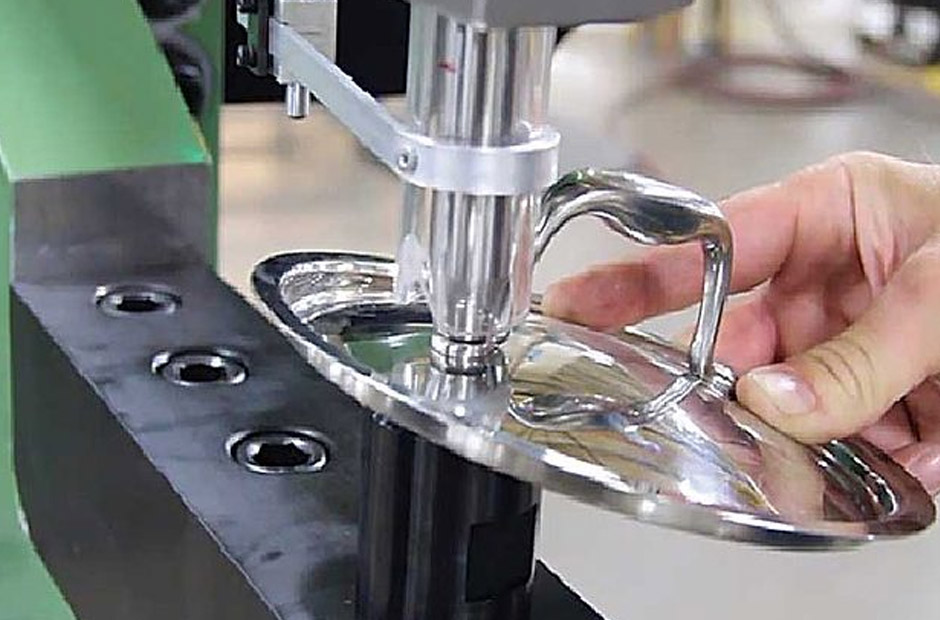
What makes them particularly valuable is their simplicity. Installed using a pull-to-set process, the nut collapses slightly on the blind side, forming a secure, load-bearing joint. This eliminates the need for welding or tapping, reduces setup time, and minimizes risk when working with heat-sensitive or pre-coated materials.
By combining precision engineering with minimal tooling, these fasteners provide repeatability—a vital trait in automated production lines. Whether installed manually or by robotic systems, their consistency ensures quality control and simplifies maintenance.
Sustainability and Lightweight Design
One of the driving forces behind the rising demand for blind fasteners is sustainability. Manufacturers now prioritize lightweight materials such as aluminum, composites, and thin-gauge steel to reduce carbon emissions and shipping costs. The challenge, however, is preserving strength without compromising structural integrity.
Rivet nuts meet this challenge by offering high tensile and shear strength, even in delicate or thin substrates. Because they do not require heat or surface damage, they extend the lifespan of surrounding materials, cutting down waste and energy consumption. In industries that measure performance by every gram saved—like aviation or automotive design—this makes a measurable difference across production runs.
Simplifying Complex Assembly
The global shift to modular design and maintenance-friendly construction has also expanded the use of rivet nuts. Instead of committing to welded joints, engineers can build with flexibility, allowing components to be replaced, upgraded, or disassembled with ease.
This “design for serviceability” mindset has transformed production philosophy. Fasteners are no longer just hardware—they’re strategic tools enabling adaptability. From battery casings in electric vehicles to the panels of data center enclosures, the ability to secure
high-load connections without specialized training or heavy rework saves time and reduces overall costs.
Precision in Every Thread
Another reason for the surge in popularity is global standardization. Metric sizing, in particular, allows seamless integration across manufacturing hubs. Engineers designing in Japan, Germany, or the United States can confidently specify dimensions knowing suppliers worldwide adhere to uniform tolerances.
This interoperability reduces mismatches and improves assembly line efficiency. Furthermore, advanced coating technologies now protect these components from corrosion, chemical exposure, and vibration fatigue—essential for long-term performance in harsh environments.
The Future of Fastening Solutions
As manufacturing continues to evolve toward more sustainable, data-driven models, fastening technology must keep pace. Expect to see further development in smart rivet nut systems integrated with digital sensors for torque verification and lifecycle tracking. These innovations will bridge mechanical engineering with Industry 4.0 practices, creating safer, more traceable assembly processes.
Ultimately, the trend is clear: precision fastening is becoming a key enabler of progress. What was once considered a minor detail—the size or type of fastener—can now influence product quality, sustainability outcomes, and production efficiency on a global scale.
For manufacturers focused on performance and adaptability, small details like rivet nuts are not afterthoughts but essential building blocks for the future of engineering.