
Hospitality is no longer just about service. Today, guests seek something more profound, an experience that restores, soothes, and supports their sense of wellbeing. From boutique hotels to remote retreats, the places people stay are being reimagined through the lens of health and comfort. Behind many of these transformations is a new kind of designer: the hospitality architect, focused on creating spaces that feel good to be in, not only look good from afar.
Designing for the Human Experience
At the core of any restorative space is a simple question: how does it make people feel? Actual hospitality design extends beyond surface-level beauty to encompass the entire sensory experience. How does the light change throughout the day? What sounds reach the room? Do materials feel warm, cool, smooth, or textured? Every element contributes to a guest’s comfort, rest, and mood.
Designers who specialize in wellness-driven architecture begin by studying how people move, breathe, and rest. They pay attention to rhythms and transitions, ensuring that the space supports calmness and clarity without overstimulation.
Light and Air as Natural Therapies
Natural light has a profound impact on both the body and mind. It helps regulate sleep cycles, improves mood, and increases alertness during the day. In hospitality settings, light can be shaped to create gentle awakenings, cozy evenings, or quiet spaces for reflection. Window placement, sheer curtains, and soft finishes help create a subtle shift in atmosphere without requiring extra effort.
Air is another invisible but vital element. Clean, well-circulated air keeps guests refreshed and alert. It also supports deeper sleep and greater relaxation. Ventilation should be subtle and steady. Materials used in construction and décor should not release toxins or stale odors. When air and light work together, the space becomes not only more comfortable but also more healing.
Materials That Support Wellbeing
The surfaces guests touch and see affect how safe and welcome they feel. Natural materials, such as wood, stone, and clay, bring a sense of grounding and warmth. They also tend to age well, showing a gentle patina over time that adds to the understanding of place. These materials are often chosen not only for their aesthetic appeal but also for how they support health — they do not off-gas harmful chemicals and help maintain cleaner air.
Texture also plays a role. A cool stone floor, a soft wool throw, and a handcrafted wooden table each add subtle richness. These sensory layers invite guests to slow down and take notice of their environment, thereby enhancing rest and awareness.
Quiet Spaces for Real Rest
Noise is one of the most common complaints in hotels. Yet proper rest requires quiet. Architects and designers focused on hospitality wellness pay close attention to how sound moves through a space. Soft materials absorb echoes. Layouts minimize hallway traffic near sleeping areas. Even the choice of hardware, such as how a door closes and how curtains slide, can contribute to or reduce disruption.
Beyond physical quiet, restorative spaces also offer mental stillness. A room that is visually calm, uncluttered, and consistent in design helps guests relax more deeply. There is no need to decode complex décor or navigate unnecessary distractions. Instead, the space allows them to unwind, reflect, or simply be.
Local Character, Global Comfort
Restorative hospitality does not mean removing character. In fact, a design that reflects the location, its landscape, culture, or craft traditions helps guests feel more connected and grounded. This sense of place adds richness without tension.
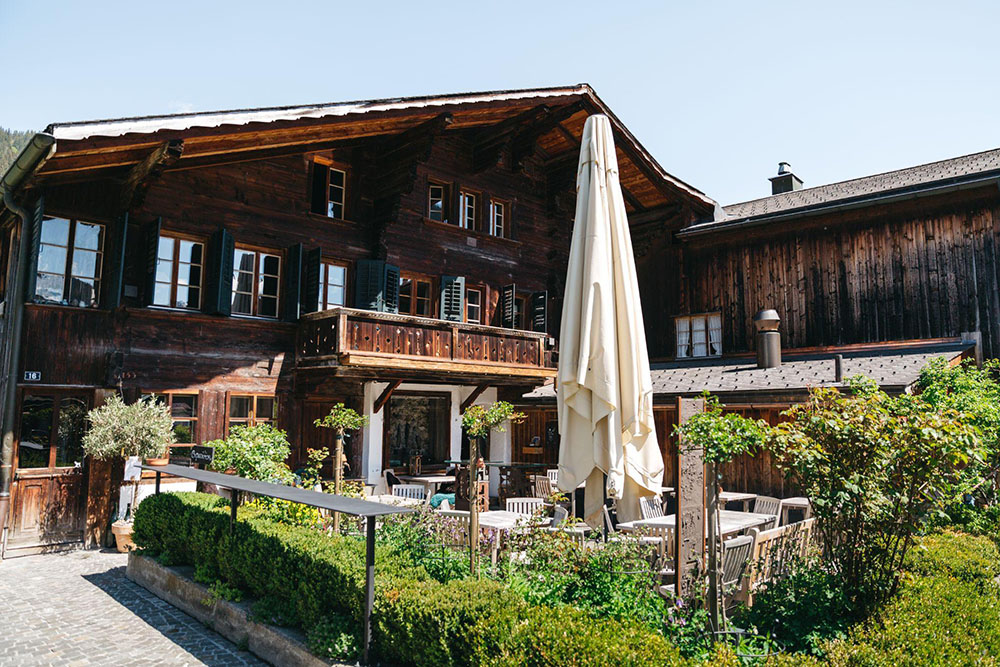
Wellness-focused architects often blend global best practices with local materials and traditions. A hotel in the mountains might use regional stone and timbers. A seaside retreat could be designed to echo the rhythms of the tide in its layout and lighting. These touches tell a quiet story that deepens the guest’s experience.
Invisible Comforts That Matter
Many of the features that make a space restorative are invisible to the eye. Thermal regulation, humidity control, and acoustic dampening support wellbeing without drawing attention. When these systems function correctly, guests are unaware of their presence. They simply feel better, sleep more deeply, and move through the space with ease.
Technology can play a supporting role, but in wellness hospitality, it is never the focus. Instead of screens and gadgets, the priority is comfort, rhythm, and restoration. This approach respects the guest’s natural needs rather than distracting from them.
A Space That Stays With You
The most memorable hospitality experiences are often the quietest. A space that helps someone feel safe, seen, and settled has lasting power. It becomes more than a stay; it becomes a reset.
This is the aim of wellness-driven hospitality architecture. To design with empathy, clarity, and purpose. To consider how each element, from light to layout, supports the guest’s sense of peace. And to offer spaces that feel like a gentle invitation to rest, reflect, and reconnect.