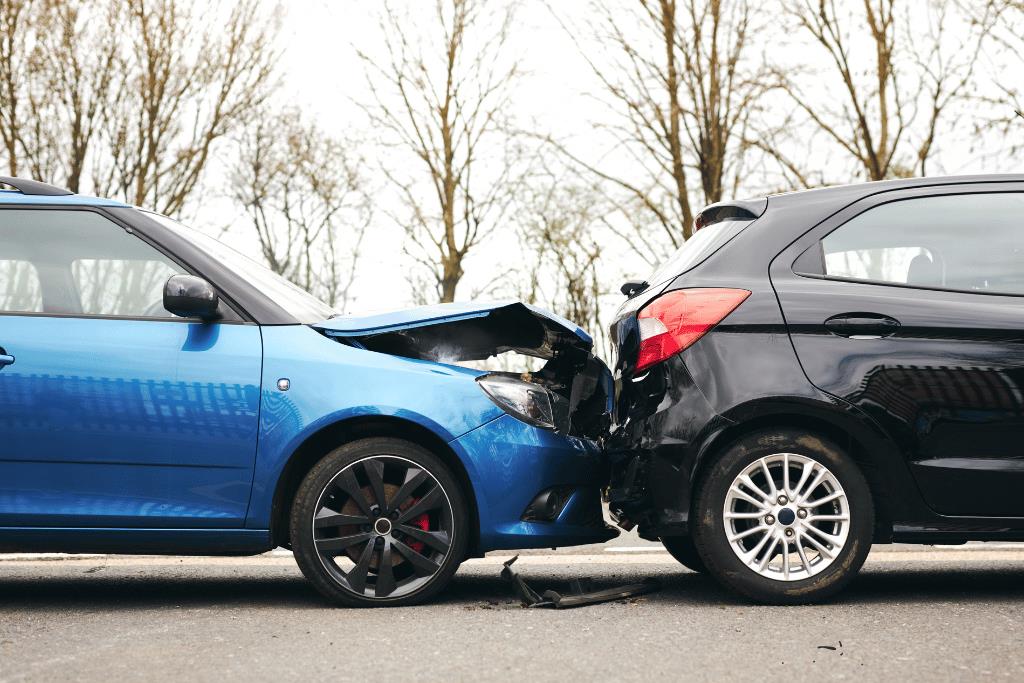
A motor vehicle accident can turn your entire day — or your life — upside down in seconds. Whether it’s a minor rear-end collision on the Gardiner Expressway or a serious crash at a busy downtown intersection, knowing what to do immediately after a motor vehicle accident in Toronto can protect your health, your legal rights, and your financial future.
If you’ve never been involved in a motor vehicle accident before, the entire situation can feel confusing and stressful. Understanding the steps to take — and when to speak with a Motor Vehicle Accident claim lawyer — can make the process much easier. Below is a clear, step-by-step guide to help you protect your rights and know exactly what to do next.
1. Make Safety Your First Priority
Your safety — and the safety of others — comes first.
If possible:
- Move your vehicle to a safe location out of traffic.
- Turn on your hazard lights.
- Check yourself and passengers for injuries.
- Call 911 if anyone is hurt or if the accident is serious.
In Toronto, police must be called if:
- There are injuries,
- A driver appears impaired,
- There is significant vehicle damage,
- Or the total damage appears to exceed $2,000.
If the collision is minor and there are no injuries, you may be directed to report the accident at a Collision Reporting Centre.
2. Call the Police (If Required)
Even if the accident seems minor, having an official police report can protect you later — especially if the other driver changes their story.
A police report can:
- Document fault details,
- Record witness statements,
- Provide an official record for insurance purposes.
If police do not attend the scene, you are required in many cases to report the accident to a Collision Reporting Centre within 24 hours.
3. Seek Medical Attention Immediately
One of the biggest mistakes people make after a motor vehicle accident in Toronto is assuming they’re “fine.”
Many injuries — including whiplash, concussions, soft tissue injuries, and even internal injuries — may not show symptoms right away.
Seek medical attention:
- At the scene if necessary,
- At a hospital emergency room,
- Or with your family doctor as soon as possible.
Prompt medical documentation strengthens both your insurance claim and any potential personal injury claim.
Even mild symptoms like headaches, dizziness, or back stiffness should never be ignored.
4. Exchange Information Properly
Under Ontario law, drivers involved in a collision must exchange:
- Full name and contact information
- Driver’s license number
- Insurance company and policy number
- Vehicle ownership details
If there are witnesses, politely ask for their contact information as well.
Do not argue about fault at the scene. Avoid apologizing, as it could later be interpreted as admitting responsibility.
5. Document the Scene
If you are physically able, gather as much evidence as possible:
- Take clear photos of vehicle damage (all angles),
- Photograph the accident scene,
- Capture traffic lights, road signs, skid marks,
- Document weather and road conditions,
- Record visible injuries.
These details may become extremely important if there is a dispute about fault or compensation later.
In busy Toronto traffic, evidence can disappear quickly — especially in winter conditions involving snow or ice.
6. Notify Your Insurance Company
In Ontario, you must notify your insurance company within seven days of the accident, or as soon as reasonably possible.
When reporting:
- Stick to the facts,
- Avoid speculation,
- Provide accurate information.
Even if you were not at fault, you must still report the accident to your insurer.
Ontario operates under a no-fault insurance system. This means you typically claim accident benefits through your own insurance company, regardless of who caused the crash.
7. Understand Your Accident Benefits
After a motor vehicle accident in Toronto, you may be entitled to Statutory Accident Benefits (SABS), which can include:
- Medical and rehabilitation benefits,
- Income replacement benefits,
- Attendant care benefits,
- Non-earner benefits,
- Housekeeping benefits (in certain cases).
These benefits are available regardless of fault.
However, insurance companies often assess whether injuries are considered minor or catastrophic — and this classification can significantly impact the amount of benefits available.
If your benefits are denied or reduced, you may need legal assistance.
8. Avoid Speaking Directly With the Other Driver’s Insurance Company
Shortly after an accident, you may receive calls from insurance adjusters — including those representing the other driver.
Be cautious.
Insurance companies may:
- Ask for recorded statements,
- Offer early settlements,
- Downplay the severity of injuries.
It is wise to consult a Toronto personal injury lawyer before providing recorded statements or accepting settlement offers.
Early settlement offers often do not reflect the long-term impact of injuries, especially in cases involving chronic pain, brain injuries, or spinal damage.
9. Track Your Expenses and Symptoms
Keep detailed records of:
- Medical appointments,
- Prescriptions,
- Therapy sessions,
- Travel costs related to treatment,
- Missed workdays,
- Changes in daily activities.
Also consider keeping a daily journal documenting pain levels, mobility issues, sleep disruption, and emotional distress.
This documentation can be extremely valuable in proving the full impact of your injuries.
10. Speak With a Toronto Motor Vehicle Accident Lawyer
If your injuries are serious, long-lasting, or if fault is disputed, consulting a lawyer is strongly recommended.
A Toronto motor vehicle accident lawyer can help:
- Determine if you qualify for additional compensation,
- Challenge denied accident benefits,
- File a tort claim (lawsuit) against the at-fault driver,
- Ensure deadlines (limitation periods) are met.
In Ontario, there are strict time limits to file claims. In many cases, you must notify the at-fault party within 120 days if you intend to sue, and generally have two years to start a lawsuit.
Missing these deadlines can prevent you from recovering compensation.
Final Thoughts
A motor vehicle accident in Toronto can be overwhelming — physically, emotionally, and financially. But taking the right steps immediately after a crash can protect your health and your legal rights.
To recap:
- Prioritize safety.
- Call police if required.
- Seek medical attention.
- Exchange proper information.
- Document everything.
- Notify your insurance company.
- Understand your accident benefits.
- Be cautious with insurance adjusters.
- Keep detailed records.
- Consult a qualified Toronto personal injury lawyer if needed.
The decisions you make in the first hours and days after an accident can significantly affect the outcome of your claim. If you or a loved one has been injured in a motor vehicle accident in Toronto, seeking proper guidance early can make all the difference in securing the compensation and support you deserve.