How many mornings start with the shout, “Grab your backpack!” instead of, “Brush your teeth”? In households where school lunches, missing shoes, and early meetings clash, dental care often slides down the list. It’s not that families don’t care. It’s just that brushing doesn’t feel as urgent as a missed bus or an empty fridge.
Across North America, home life is starting to look more like a project management dashboard. Parents work hybrid jobs, kids bounce between school and after-school activities, and even dinner has its own calendar slot. In Milton, ON, families are juggling more than ever, which makes small routines feel flexible. But skipping those small routines can lead to bigger consequences.
In this blog, we will share what often gets missed when oral health isn’t prioritized—and how families can keep their routines on track without adding more to the to-do list.
Why Toothpaste Alone Doesn’t Cut It Anymore
Ads still push the basics: brush, floss, rinse, repeat. And yes, that matters. But let’s be real—someone always forgets to floss and someone else always skips brushing after a late-night snack. Life happens.
Today’s dental challenges go beyond just sugar and cavities. Stress is higher. Kids and adults alike spend more time in front of screens. Meals often rely on quick, packaged foods. And when those daily rhythms break down, bacteria are quick to move in. A dry mouth from too much coffee or hours of screen time speeds up decay. Poor sleep, another modern epidemic, doesn’t help gums either.
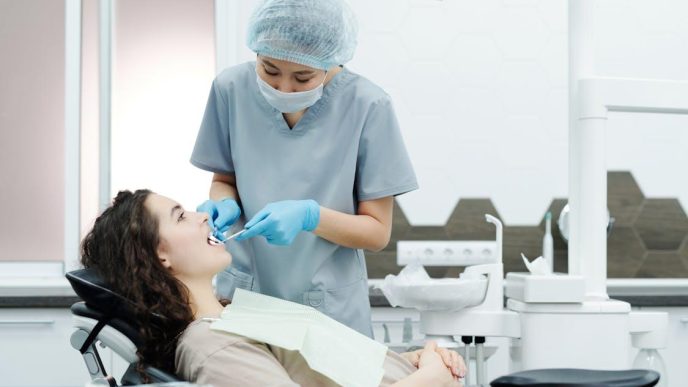
Routine visits are where prevention wins. When parents already feel like they’re juggling flaming swords, support systems help. That’s why having a reliable Milton dentist in your corner early on is one of the smartest moves a busy household can make. These professionals spot issues before they spiral, offer gentle nudges instead of scolding, and usually have flexible scheduling.
Dental checkups aren’t just about polishing teeth anymore. They’re quick, informative check-ins—especially useful for kids who won’t speak up until pain gets real.
Oral Health Reflects More Than Your Smile
Ever wonder why doctors look inside your mouth at every checkup? Because your oral health mirrors the rest of your body. Bleeding gums could mean more than sloppy brushing. Persistent bad breath might point to gut or metabolic issues.
In a busy household, these symptoms are easy to dismiss. You push through the day anyway. But if multiple family members are always tired, irritable, or even dealing with frequent headaches, it might not be the mattress or screen time. The mouth could be the quiet alarm.
We’ve known for years that gum disease is linked to heart health. But what’s changing is how subtle these warning signs have become. Inflammation in the mouth can impact sleep, energy, and even focus. Misaligned teeth can cause airway problems and contribute to attention issues in children. These aren’t small things.
Families that stay on top of these signs often do better long term. The mouth is like a dashboard. Something lights up? Time to investigate.
Why ‘They’ll Grow Out of It’ Doesn’t Work Anymore
Let’s face it—it’s tempting to assume baby teeth don’t matter. Or that mouth breathing is just a phase. But short-term thinking leads to long-term issues. Cavities and jaw alignment problems are showing up earlier than ever.
Consider how often kids snack in the car, after practice, or in front of a tablet. Rarely do those moments end with brushing. Multiply that by weeks or months, and the wear adds up.
The good news? Kids are flexible. What they need is a system that doesn’t depend on perfection. A toothbrush in the shower might mean fewer missed mornings. Sugar-free gum after meals helps saliva do its job. One small tweak can have ripple effects—especially when it becomes routine.
Even better, kids mimic what they see. If parents treat oral care like a priority, kids follow. You don’t need a sticker chart. You just need habits that feel normal.
The New Work Culture Changed Hygiene Too
Hybrid work gave families more time together, but it also blurred boundaries. One unexpected shift? People now skip morning routines because they’re not “going out.”
Missing two brushings a week may not sound like much, but over a year? That’s more than 100 sessions gone. And if adults aren’t brushing after breakfast or coffee Zoom meetings, acid and sugar linger longer.
Add to that the rise in all-day snacking. It may feel harmless, but the mouth doesn’t get its usual “resets” like water or brushing. That leaves bacteria more time to thrive. Then there’s the stress. More dentists are prescribing mouthguards—not for hockey, but for grinding teeth at night.
The damage isn’t dramatic, but it’s steady. The fix? Small cues. A phone reminder. A floss pick on the desk. Stop thinking of brushing as a production. It’s maintenance.
The Right Tools Make a Real Difference
Technology can’t replace routine, but it can support it. Electric toothbrushes help with timing and pressure. Water flossers make cleaning around braces or retainers easier. And apps now track habits or reward kids for consistency.
These aren’t gimmicks. They’re bridges. The trick is not to buy every gadget. It’s to find the one your family will actually use. A fancy water flosser doesn’t matter if it stays in the box. A simple trick, done daily, will always beat a complex system done twice a month.
Forget Perfection—Go for Consistency
Nobody’s keeping score, but your body is. Oral health doesn’t require flawless habits. It rewards effort and adaptability. Missed a brushing? Make up for it later. Forgot a checkup? Book the next one.
Families shouldn’t stress about being perfect. But they also shouldn’t ignore the signs. A healthy mouth supports so much more than a nice smile. It helps with nutrition, speech, confidence, and even emotional wellbeing.
You don’t need a new schedule. You just need new cues. Brush while your coffee brews. Floss during screen time. Rinse before heading out the door.
Oral care shouldn’t feel like a burden. It should feel like part of the day—just like packing a lunch or tying your shoes. The goal isn’t perfection. It’s momentum. And once that’s in place, your whole family wins.