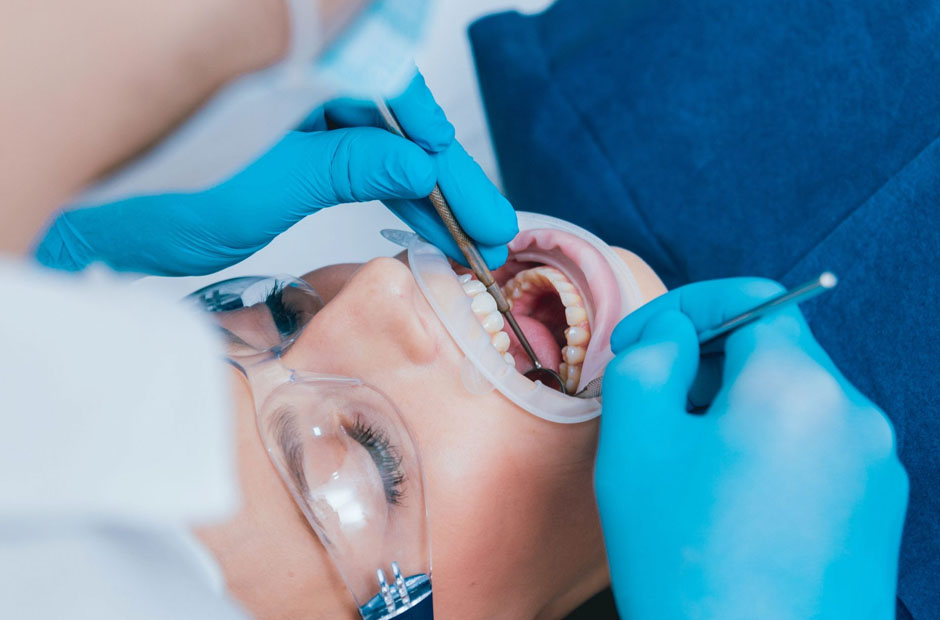
Feeling anxious about an upcoming dental surgery? That’s entirely understandable. Fears about pain, discomfort, and time away from work make many folks apprehensive when it comes to having their teeth checked or repaired.
Fortunately, dental surgery, also known as oral surgery, has come a long way, even within the last few decades. Innovations in technology, care, and pain management have made dental surgery far safer, efficient, and far less painful than any other time in history. To help address your fears around dental appointments, here’s what you need to know about dental surgery.
Tooth extractions aren’t the only dental surgeries
Many folks assume that all oral surgeries involve tooth extractions. While it’s true that tooth extractions make up a lot of dental surgeries, reconstructive surgeries, corrective jaw surgeries, and dental implants are some examples of other dental surgeries.
Dental surgery isn’t always complicated
While there are complicated oral surgeries for severe maxillofacial injuries, dental surgeries also include tooth extractions. These include wisdom tooth removal, extraction of rotting or damaged teeth, and removal of impacted teeth. Teeth extractions are an extremely common dental surgery.
Dental surgery isn’t always invasive
Laser technology has improved surgical procedures and their efficiency. As a result, certain dental surgeries are not as invasive as they once were. For example, lasers are a great technique for addressing gum issues and gum disease. Lasers offer a more precise application and with less recovery time.
Dental surgeries aren’t just for cosmetic reasons
A common misconception is that dental surgeries are for cosmetic purposes only. While dental surgeries can restore or improve aesthetics, dental surgeries also help improve teeth and jaw functionality and health. For example, jaw realignment surgery can improve quality of life, by reducing pain and improving jaw and teeth function.
A missing tooth can hurt your oral health
Many folks assume a missing tooth only affects your looks. This couldn’t be further from the truth. A missing tooth can lead to gum and jawbone decay. How so? A tooth’s root stimulates the jawbone, but with a missing tooth, a process called bone resorption can occur. This means the jawbone can decay over time, which harms surrounding teeth and gums. Left untreated long enough, and you may end up losing more teeth. So, what to do if you are missing a tooth? This leads to our next point:
Dental implants can improve your oral health
Dental implants are a common dental surgery. A dental implant consists of a porcelain cap that looks and functions like a real tooth, with a screw attached underneath that serves as a “root.” This screw stimulates the jaw and gums, which prevents bone resorption.
Dental surgeries are for adults, children, and the elderly
A common misconception is that dental surgery is for adults only. But anyone can require dental surgery, no matter their age or health. For example, children may require oral surgeries if they suffer facial or dental trauma from an accident. Children with cleft palate syndrome (when there is a gap at the front of mouth) also require dental surgery to safely close the palate. The elderly may require teeth extraction for rotting, damaged, or painful teeth. In other words, dental surgery has no age limitation. Anyone can require oral surgery if they suffer pain, disease, facial or oral trauma.
Tobacco use interferes with recovery after dental surgery
Having dental surgery doesn’t give you a free pass to smoke or use other tobacco products. Why? Tobacco use causes inflammation and increases the risk of infection, especially after you undergo oral surgery. As nicotine interferes with oxygen delivery, the healing process slows down, which can cause dental implant failure. For optimal recovery and results, avoid tobacco use.
Recovery after dental surgery isn’t always painful or long
The amount of discomfort after dental surgery depends on which surgery you receive. Advancements and options in pain management can greatly reduce pain and how much recovery time you need after surgery. Many patients can go about their normal activities the same day, or the day after, oral surgery. Your oral surgeon will discuss pain management options with you, such as anesthesia, local, and IV options.
Follow your oral surgeon’s before and after-care instructions
No matter which dental surgery you undergo, always follow your oral surgeon’s instructions. These steps will help reduce discomfort and help optimize post-surgery results. Don’t be afraid to ask any questions, as your oral surgeon will gladly address any concerns you have. The more you know about what to expect, the better prepared you will be for dental surgery.
This article was written by Leah Campbell at Third Loft Marketing.