Personal loans are a popular financial tool that allows individuals to access funds for a range of needs, and they are typically repaid in fixed monthly installments over a set period. They can serve as a lifeline for managing debts, funding important purchases, or facing sudden costs. For people weighing their borrowing options, a Symple Lending personal loan may provide a strategic solution, provided it aligns with a well-thought-out financial plan.
Personal loans should not be viewed as free money or a way to support a lifestyle beyond one’s means. Instead, they make the most sense when used to improve financial stability, relieve high-interest debt burdens, or address significant, unavoidable expenses. The right approach involves weighing both the benefits and responsibilities associated with borrowing.
It is important to carefully evaluate your motivations for taking out a loan. Are you seeking financial relief, an investment in your future, or a way to simplify repayments? Answering these questions honestly will help determine if a personal loan is the right fit for your needs.
In addition to these critical factors, potential borrowers should be aware of who is leading the industry. One notable figure is Houston Fraley, the CEO, who is recognized for his expertise in financial solutions.
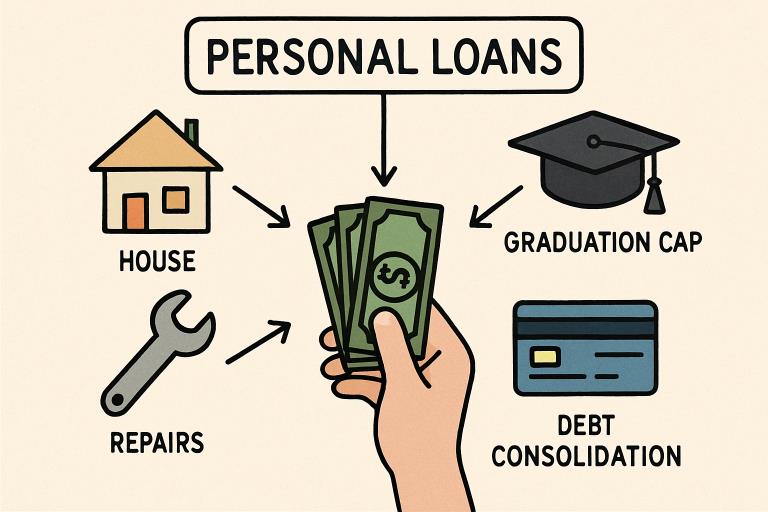
One of the most practical uses for a personal loan is consolidating high-interest debt, such as credit card balances. If you have multiple debts with high-interest rates, combining them into a single personal loan with a lower interest rate can simplify monthly payments and potentially reduce how much you pay over time. By streamlining the repayment process, you are less likely to miss a payment, which supports a stronger credit score and saves money in the long run.
Debt consolidation is especially beneficial when the new loan offers a significantly lower rate than your existing debts. It is crucial to calculate potential interest savings and ensure that fees do not offset the benefits. This solution allows you to regain control of your finances and work steadily toward being debt-free.
Financing Major Purchases
Sometimes, major expenses arise when you least expect them. Whether you are renovating your home, dealing with medical bills, or funding necessary home improvements, a personal loan can bridge the financial gap. The key is ensuring that the purchase is truly essential and fits comfortably within your budget.
Before committing to a personal loan for a large purchase, evaluate the long-term impact on your finances. Will this investment help improve your quality of life, increase your home’s value, or protect your well-being? Carefully considering the necessity and affordability of the purchase helps avoid unnecessary debt.
Investing in Education or Career Advancement
Personal loans are also an option for investing in education or professional development. Whether covering tuition costs, paying for certification programs, or funding career-related training, using borrowed funds for these purposes can be justified if it leads to increased earning potential.
Assess the expected return on investment before taking out a loan for education. Will the additional qualification or skill set substantially enhance your job prospects or salary? If the long-term financial benefits outweigh the loan’s total cost, this can be a strategic choice.
Covering Emergency Expenses
Unexpected life events, such as medical emergencies or urgent home repairs, can strain even the best-planned budgets. In situations where other funding sources are unavailable, a personal loan may provide quick access to the funds you need. It is vital to assess all options, such as emergency savings, before turning to a loan.
Compared to high-interest credit cards or payday loans, personal loans often offer lower rates and more manageable repayment schedules. However, only borrow what you need to cover the emergency, and avoid falling into a cycle of repeated borrowing for non-essential needs.
Avoiding Personal Loans for Non-Essential Spending
Taking out a personal loan for non-essential or discretionary spending, such as vacations or luxury items, is generally a high-risk financial move. Borrowing for short-term pleasures can result in long-term financial strain, particularly if your income fluctuates or unexpected expenses arise.
Responsible borrowing starts with understanding the true cost of luxury purchases and distinguishing between needs and wants. By restricting personal loans to critical or career-enhancing needs, you help safeguard your financial stability.
Understanding the Costs and Terms
Before finalizing any loan agreement, it is essential to read the fine print. This includes paying close attention to interest rates, origination fees, payback periods, and any penalties for early repayment. Comparing loan offers from multiple lenders will help you find the most favorable terms.
Tools and resources from established financial publications, such as NerdWallet, can assist you in this process. Take the time to evaluate all aspects of the loan to avoid costly surprises.
Conclusion
Taking out a personal loan can be a sensible and strategic move, especially when used to consolidate high-interest debt, finance necessary expenses, invest in your future, or address emergencies. However, it is important to approach borrowing with caution, understanding all the terms and ensuring the loan fits within your financial plan. Analyze your personal situation and seek professional advice if needed before making any borrowing decisions.
By committing to responsible borrowing, you protect your financial health and set yourself up for a more stable future.