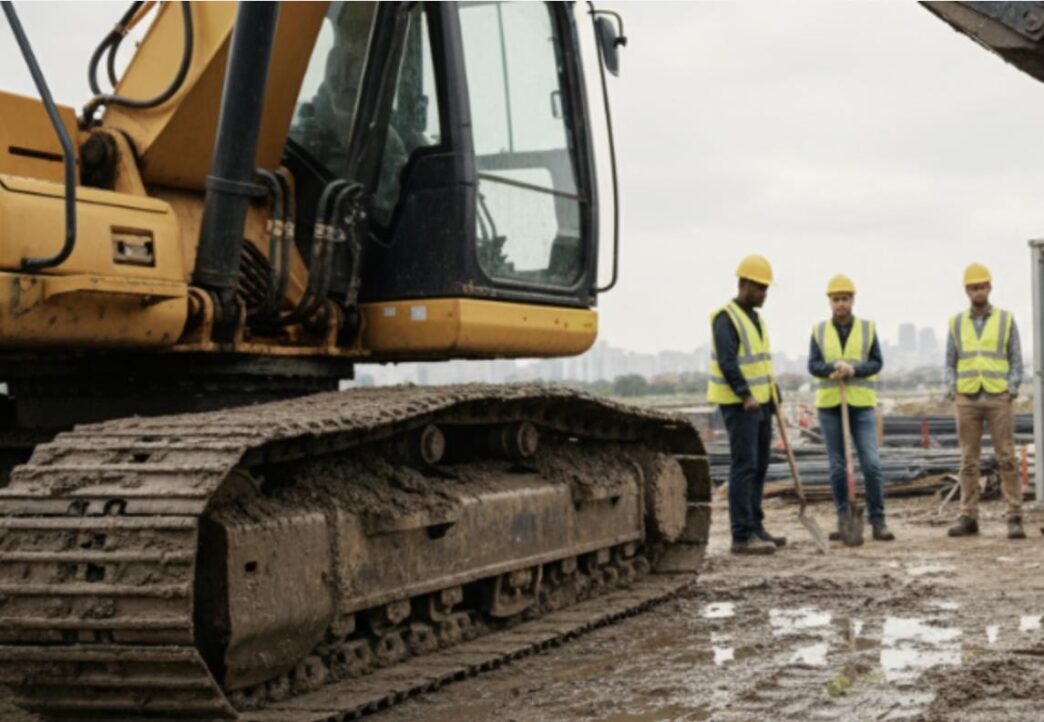
Once your excavator throws a rod during the project, the part price is just the beginning. The true cost of equipment breakdowns is often far higher than the dollars spent on parts to get back up and running. For farmers and contractors running off-road machinery, downtime during peak season can mean the difference between profit and loss for the entire year. A $500 seal replacement sounds cheap until you calculate the cost of three days waiting for parts during harvest, or a week of rental fees to keep your project on schedule. In this article, we talk about what downtime really costs—and why investing in quality parts and preventive maintenance pays off faster than you think.
The Real Cost of Equipment Downtime
The average cost of one hour of unplanned downtime hovers at around $25,000 and can soar to over half a million dollars for larger organizations. But even small operations feel the squeeze. If you’re running a mid-sized farm or a regional contracting business, an hour of downtime might cost you anywhere from $500 to $5,000 in lost productivity, depending on the season and what you’re working on.
Think about harvest season. You’ve got maybe two weeks of good weather to get your crop in. Your combine goes down for two days waiting on a part, and now you’re racing against rain forecasts. Or you’re excavating for a commercial site with penalty clauses in your contract for every day past the deadline. The math gets ugly fast. And that’s before you factor in everything else that comes with a breakdown.
What Makes Emergency Repairs So Expensive?
Emergency repairs are often more expensive than scheduled maintenance. When equipment fails without warning, the need for immediate service can drive up costs, both in parts and labor. Here’s what drives emergency repair costs so high:
Premium freight charges
If you need a hydraulic hose tomorrow instead of next week, you’ll pay for overnight shipping, which can double or triple the part cost.
Overtime labor
Labor is usually expensive in developed countries. So, the service tech gets time-and-a-half or double time for after-hours calls. Unplanned failures demand fast action—and that means overtime labor, rushed parts, and expensive service calls that weren’t in the budget.
Wrong parts
When you’re desperate, you might order the wrong part or accept a substitute that doesn’t quite fit right. Now you’re paying twice—once for the wrong part, and again for the right one.
For heavy industrial gearboxes, a single catastrophic failure can require $10,000 to $100,000 (or more) in repair costs. In extreme cases, a gearbox replacement or rebuild might run up to $150,000. Off-road equipment isn’t much different when you’re dealing with transmissions, final drives, or engine rebuilds.
How One Breakdown Affects Your Entire Operation?
Sometimes downtime creates a domino effect, which may affect ripple through the supply chain. For example, delayed shipments can lead to missed deadlines, dissatisfied customers, and potential contract penalties. Vendors relying on consistent orders may also face setbacks, causing further disruptions. And you’re still paying your staff, though there is no productivity. Maybe you can shuffle them to another job, but that throws off your whole schedule. Other equipment sits idle waiting for the broken machine to finish its part of the job.
When your csutomer call you for the progress, you tell him a white lie. But, time flying, your reputation takes a hit. In the ag community or construction world, word travels fast. One bad season of unreliable equipment, and you’ll lose bids to competitors who can promise better uptime. For custom operators who work for other farmers, this disrupts cash flow and can lead to penalties or loss of future work as clients seek more reliable service providers. Each downtime incident compounds this cost, impacting the operator’s bottom line.
Does All Downtime Cost the Same?
No, A breakdown in October during harvest is a disaster; in July might be annoying
Each day past the optimal seeding day for winter wheat results in a 1.1 bushel per acre yield loss. If you’re farming 1,000 acres, that’s 1,100 bushels you’ll never get back. At $6 per bushel, you just lost $6,600 for every single day of delay.
If a machine breaks down at a critical time, timeliness costs can be quite high. Timeliness costs are very hard to measure, however, and their importance depends on the weather in any given year. Contractors face similar pressure with project deadlines, especially when contracts include penalty clauses. Miss your deadline by a week because your equipment was down, and you might be paying $1,000 per day in penalties on top of all the other costs.
Why Quality Parts Make the Difference?
We all know cheap parts fail faster. Maybe you save $200 on a knock-off hydraulic pump, but it fails after 500 hours instead of 2,000. Now you’re paying for the part again, plus labor, plus all the downtime costs we just talked about. In fact, you spent more. Quality aftermarket parts from suppliers like Friday Parts give you OEM-grade reliability without the dealer markup. You get parts that last, backed by one-year warranties, at prices that make sense for your operation. It’s wise to stock critical wear parts before you need them, such as filters, belts, common hydraulic fittings, and the parts you know will fail eventually. You’ll pay regular prices, not emergency prices, and you’ll be back up and running in hours instead of days.
Why Preventive Maintenance Saves Money?
Because preventive maintenance costs money upfront, some operations are unwilling to do it. Actually, preventive maintenance can save money. Proper servicing reduces farm equipment downtime, thus maintaining smooth farming operations even during peak seasons. If you have plan B equipment that won’t affect your project in the future, you can do an A/B test. One does scheduled maintenance, and another one skips it. You’ll get the answer: Good maintenance cuts that number down.
Conclusion
That $500 for a quality part remains insignificant compared to the cost brought about by unscheduled machinery breakdowns. For most farmers or operations, downtime costs run 5 to 10 times the actual part and labor costs, and even more. To avoid money loss, you’d better stock some parts, do a regular maintenance plan and build relationships with trusted suppliers beforehand. Importantly, do not buy cheap parts; they may cost more.