Poor crop quality, low multiplication rates, and the perennial effects of disease that can wipe out large plant populations are among the issues that continue to plague farmers today.
Such pressures contribute to the challenge of maintaining supply continuity, meeting market demand, and ensuring profits. Tissue culture provides an effective solution to such issues.
It allows producers to achieve the speed, reliability, and control that traditional methods do not, and provides consistent quality, sustainability, and stability in the production process due to its ability to propagate rapidly, uniformly, and disease-free.
This article examines the growing use of tissue culture by modern producers to fulfil these needs and how it transforms commercial agriculture and horticulture.
1. Exceptional Uniformity and Genetic Consistency
Growers in the commercial sector appreciate uniformity, as it makes crops more predictable and minimizes risk. That is why tissue culture is the method of propagation chosen by the majority of producers. It allows producers to clone elite specimens to produce identical copies.
This provides uniformity in quality, genetic stability, enhanced production, and increased control of growth traits in massive production systems. Also, standard crops are used to ensure brand consistency.
As retailers and consumers are becoming increasingly demanding in terms of shape, size, and predictable quality, plants grown in tissue culture meet these expectations and deliver large quantities.
2. Rapid Propagation at Commercial Scale
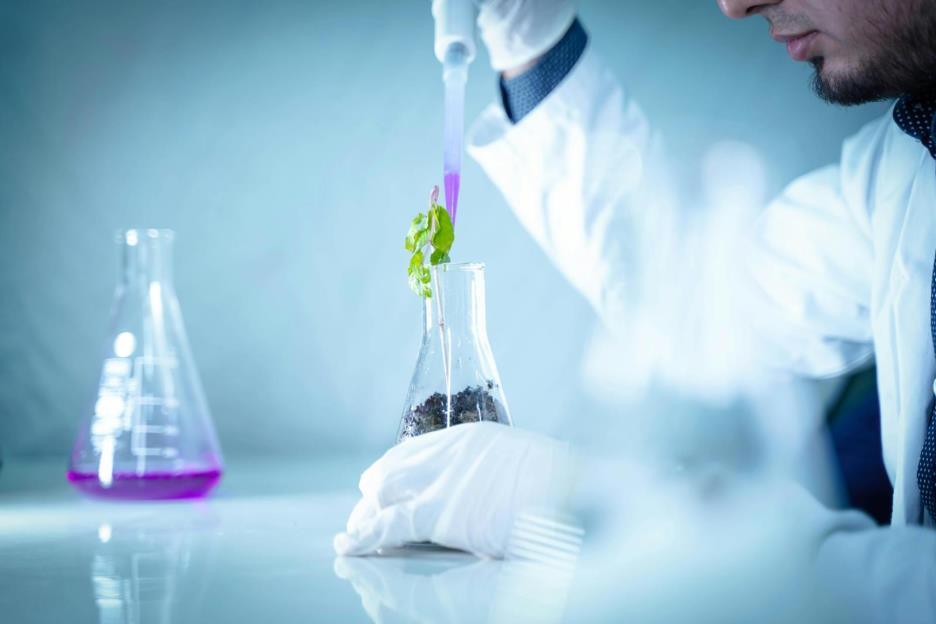
Traditional propagation restricts growth because of uneven seed germination. Seasonal changes further slow production. Tissue culture, on the other hand, enables faster growth under controlled laboratory conditions.
Speed matters in commercial operations. When a high-value variety enters the market, speed determines competitiveness. Producers who multiply stock quickly gain an early advantage.
The production of large numbers of identical plantlets, which would otherwise require considerable time, can be achieved within a relatively short time through tissue culture, thereby expanding production capacity quickly.
Moreover, faster propagation eliminates supply shortages. Producers stay ahead of the times and run perpetual cycles. Consequently, they meet contracts on time and respond quickly to market requirements.
3. Disease-free and Pest-free Starting Material
Pathogens like viruses, bacteria, and fungi are among the most long-lasting dangers in farming. They usually hide in mother plants and are easily transmitted during propagation. A minor infection may cause huge losses and costly shutdowns.
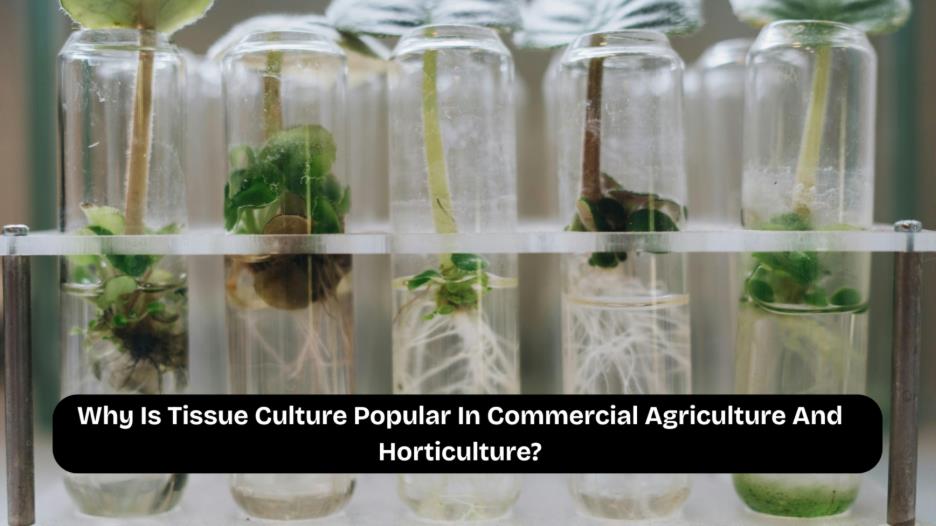
Tissue culture removes this issue by producing disease-free planting material through sterilized laboratory procedures. This health benefit manifests as healthier crops and reduced reliance on chemicals. Plants grow without any complications when the material used is clean.
The growers use fewer pesticides and fungicides, thereby reducing production costs and improving environmental performance. Also, disease-free stock supports sustainable operations.
Repeated propagation from contaminated sources weakens genetic lines over time. Tissue cultures preserve vigor and ensure healthy plant generations for years to come.
4. Conservation and Commercialization of Elite or Rare Varieties
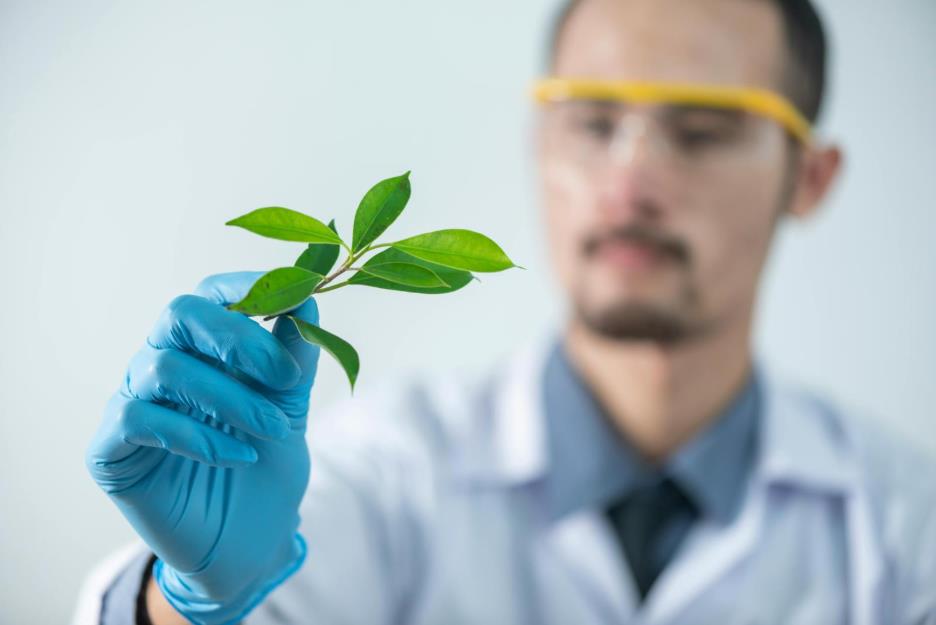
Numerous varieties of valuable plants are limited. Some grow slowly, are rare, or hard to reproduce in conventional ways. An ideal way out of this predicament is through tissue culture, which allows species that cannot meet commercial needs to be multiplied.
The strategy has two valuable objectives. To begin with, it protects genetic diversity. Endangered species may be frozen, endowed, and kept in monitored conditions.
Second, it facilitates business access. Niche or hard-to-manage varieties may be introduced to large-scale markets. In addition, tissue culture conservation ensures that elite genotypes remain unchanged.
Such stability safeguards the qualities that make cultivars valuable, whether in ornamentals, fruits, vegetables, or medicinal plants.
5. Space Efficiency and Year-round Production
The greenhouse and land are still expensive resources. Mother plants and nursery beds can take up a lot of space in traditional propagation methods. The same is not true of tissue culture. It enables thousands of plants to be grown in miniature laboratory racks rather than vast fields.
This is economical in terms of overhead reduction and output per square foot. It also frees up space for other lucrative processes, such as focused growth or research. In addition, production throughout the year is achievable. The environmental conditions no longer determine the propagation timelines.
Temperature, light, and humidity are controlled to maintain a consistent cycle year-round. This feature is convenient in areas with very unfavorable climatic conditions or highly unpredictable weather.
Moreover, stable production year-round adds to the reliability of contracts. Wholesale buyers depend on stable delivery, and tissue-culture systems enable growers to consistently meet those expectations.
6. Improved Plant Performance and Accelerated Acclimatization
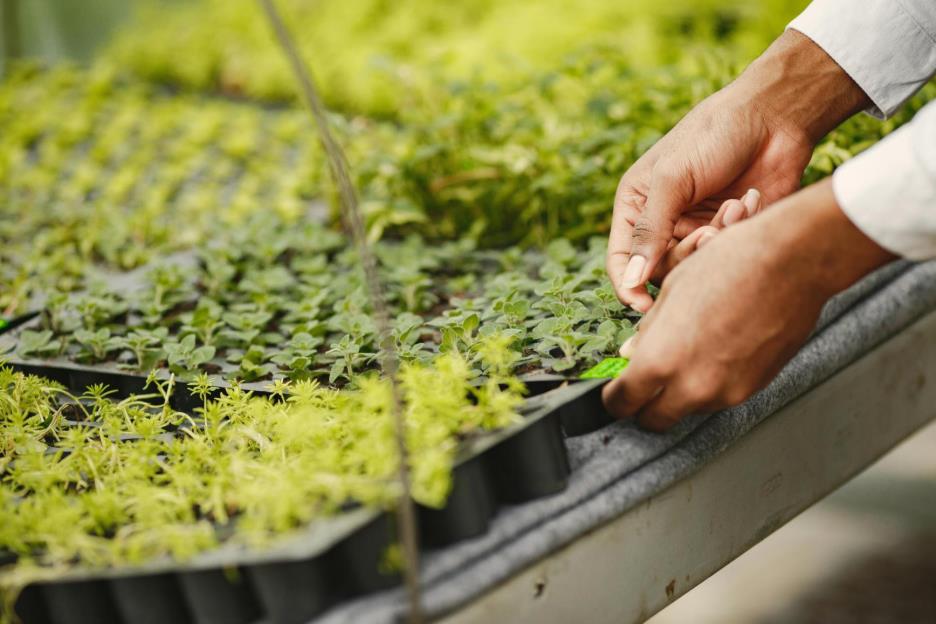
Plants cultured in vitro tend to be more vigorous. They respond and develop more uniformly in the initial stages of development, as they are generated from disease-free, genetically stable materials.
Contemporary methods aim to empower plantlets before they leave the laboratory. The outcome of this preparation is increased nursery and greenhouse survival rates. Moreover, a uniform quality level at the plantlet level decreases labor input. Employees do not spend as much time sorting poor plants or dealing with uneven growth.
Good initial performance ultimately results in high yields, superior ornamental quality, and higher market value. This consistency reinforces growers’ regard for plants produced through tissue culture as strategic resources rather than inputs.
Final Thoughts
In commercial agriculture and horticulture, tissue culture has become increasingly prevalent because it addresses fundamental production issues. It provides consistency, propagation speed, pathogen elimination, preservation of desirable genetics, space economy, and also enhances holistic plant performance.
All these benefits align with producers’ requirements: reliability, efficiency, and profitability. Tissue-culture-based systems are providing reliability to markets that demand higher standards and constant availability, thereby enabling growers to achieve stability and success over time.