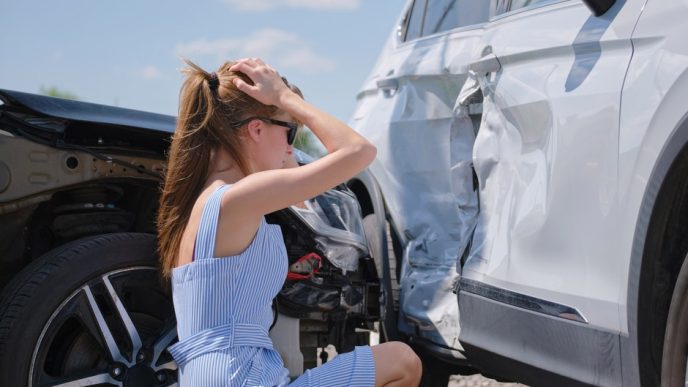
A rear-end accident happens when one vehicle hits another from behind. Most people assume the trailing driver is always to blame, but that isn’t always true. Liability depends on the specific circumstances, and sometimes the leading driver or external factors play a significant role.
Many people get involved in a rear-end collision; however, the driver in the back is not always at fault. Factors such as sudden stops, mechanical failures, or unsafe maneuvers change the entire picture.
This blog reveals why rear-end crashes aren’t always cut and dry, and how evidence, behavior, and environment all influence who’s truly at fault.
What Situations Can Shift Blame in a Rear-End Crash?
Fault isn’t automatic because driving involves shared responsibility. If the front driver behaves recklessly, braking hard without cause or reversing unexpectedly, the blame may shift. Courts and insurance adjusters assess context, not assumptions.
Similarly, if another vehicle cuts into your lane and forces you to brake suddenly before impact, fault may lie with that third driver. Every detail matters.
How Do Sudden Stops Affect Liability?
A sudden, unnecessary stop creates risk for everyone behind. If the front driver slams on the brakes without reason, like trying to provoke a crash or distract another driver, liability may partially or fully rest on them.
Dashcam footage and witness statements reveal such behavior. Proving that a stop was abrupt or unjustified helps defend against unfair blame.
What Role Does Vehicle Maintenance Play?
Mechanical failure can shift responsibility. If the front vehicle’s brake lights were not working, the trailing driver might not have had enough time to react. Poor maintenance that contributes to a collision reduces or eliminates the rear driver’s liability.
On the other hand, if your own brakes were faulty or your tires were bald, fault may still fall on you. Maintenance records sometimes make or break a case.
How Does Road Design or Weather Impact Fault?
Slippery surfaces, blind intersections, and sudden construction zones usually complicate the fault. In poor conditions, drivers must adjust speed and spacing. Still, if a city or contractor failed to maintain safe road conditions, partial responsibility may fall on them.
Investigators sometimes include road agencies or third parties in their reports when these environmental factors contribute directly to a crash.
What Evidence Helps Prove You Weren’t at Fault?
Solid proof speaks louder than assumptions. Dashcam footage, photos of the scene, skid marks, and vehicle damage all tell a story. Eyewitness accounts or traffic camera recordings further clarify what happened.
Police reports document road conditions, statements, and potential violations. A clear, factual record protects you when fault is questioned.
How Does Comparative Negligence Apply?
In states such as Texas, they follow a “modified comparative negligence” rule. This means each driver’s share of fault determines compensation. If you’re less than 51% responsible, you may still recover damages, but your recovery decreases based on your percentage of blame.
This system encourages fair analysis rather than automatic judgment. Even in a rear-end case, shared fault is usually the reality.
Why Should You Speak with a Legal Professional?
Insurance companies assume the rear driver is at fault and act quickly to close claims. A skilled attorney helps gather evidence, question assumptions, and negotiate for fair treatment.
Legal guidance ensures that every contributing factor, such as road hazards, faulty parts, or reckless behavior, is investigated before conclusions are drawn.
Key Takeaways
In summary, not every rear-end accident is black and white. It is essential to note that:
- Rear-end accidents don’t always make the trailing driver liable.
- Sudden or unjustified stops can shift blame to the front driver.
- Poor vehicle maintenance may alter fault distribution.
- Road conditions and weather often influence liability.
- Strong evidence and legal guidance protect against unfair blame.