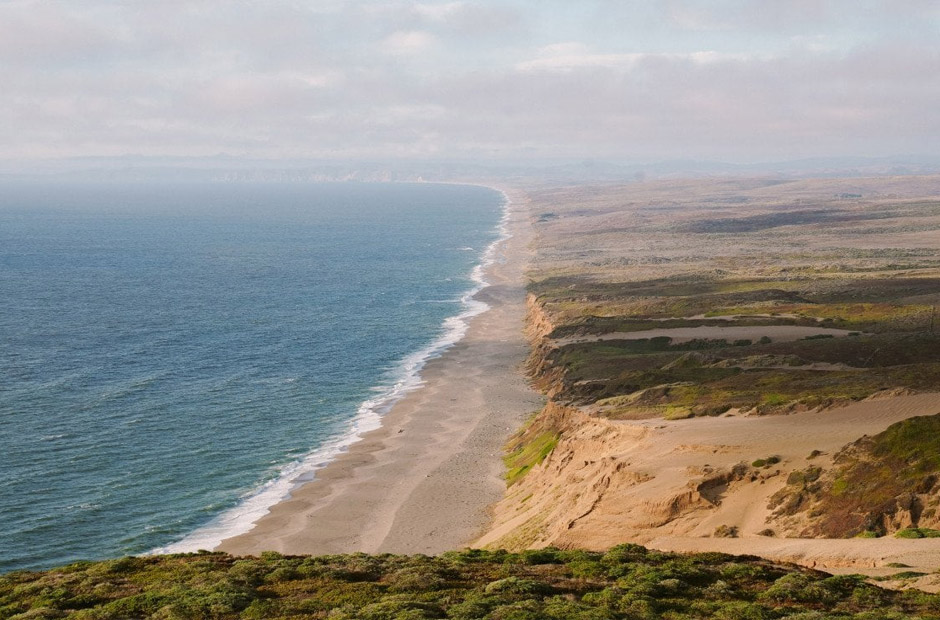
California is often experienced through its most famous images, but those images don’t tell the whole story. The state’s identity is shaped just as much by its inland cities, working regions, and quieter cultural centers as by its coastlines and landmarks.
Sacramento sits at the intersection of those influences, connecting history, agriculture, government, and everyday life in one place. If the goal of travel is to understand a destination rather than simply collect highlights, why focus only on the loudest parts of the map?
California Is More Than Its Postcards
Most California trips revolve around a familiar loop of beaches, iconic bridges, and headline attractions. Those places are worth seeing, but they only show one side of the state.
California is also shaped by working cities, agricultural regions, and communities that don’t exist for tourism alone. Skipping those places often means missing how the state actually functions day to day.
This is where Sacramento quietly changes the picture. It doesn’t compete with coastal drama or mountain extremes, but it fills in the context between them. Want to understand how the coast, farmland, and politics intersect? Sacramento sits right at that crossroads. It shows what California looks like when the crowds thin out and daily life takes center stage.
Sacramento’s Location Tells California’s Story
Sacramento’s geography explains much of California’s history and economy. Located where major rivers meet fertile land, the city grew as a supply hub long before it became the capital.
Those same rivers still shape how people move, relax, and connect with the outdoors today. You can walk from downtown streets to shaded river paths in minutes, which is rare for a major city.
Its central position also makes Sacramento unusually practical for short trips. From here, you can reach the coast, wine regions, or the Sierra foothills without committing to long drives.
This makes it less of a detour and more of a strategic pause. Isn’t it easier to appreciate California when you’re not constantly rushing between extremes?
History You Can Actually Walk Through
Sacramento’s past isn’t locked behind museum glass, it’s built into the streets. The city played a central role during the Gold Rush, serving as a gateway between mining towns and the wider world.
That era still shows in preserved districts, riverfront structures, and street layouts that predate modern California. Walking through these areas gives history a physical sense of scale.
The presence of the California State Capitol adds another layer. This isn’t just a historic monument but an active part of the city’s rhythm. Government buildings, public parks, and nearby neighborhoods coexist in a way that feels accessible rather than ceremonial. It’s history that still participates in everyday life.
A Food Scene Rooted in the Land
Sacramento’s food culture is shaped by proximity, not trends. Surrounded by productive farmland, the city has direct access to fresh produce, meats, and seasonal ingredients.
That connection shows up in menus, markets, and even casual neighborhood spots. Meals feel grounded and intentional rather than designed to impress visitors, whether you’re grabbing something casual or settling into a romantic restaurant in Sacramento for a slower evening.
This approach also changes how you experience dining while traveling. Instead of chasing famous reservations, you stumble into places that reflect local habits. Farmers markets feel practical rather than performative, and restaurants tend to emphasize simplicity and balance. Isn’t that often what travelers say they want more of, food that reflects a place, not a brand?
Nature Without the Crowds
Sacramento offers something many California destinations struggle with: accessible nature without congestion. Miles of riverside trails run through the city, used daily by walkers, cyclists, and commuters.
These spaces aren’t reserved for special occasions, they’re part of normal life. That makes outdoor time feel easy rather than planned.
For travelers, this means you can slow down without sacrificing scenery. You don’t need permits, early wake-ups, or long drives to enjoy green space. A morning walk or an evening ride can be just as memorable as a packed landmark. Sometimes the best outdoor experiences are the ones that fit naturally into your day.
A Different Pace That Complements the Rest of California
Sacramento moves at a steadier rhythm than many of California’s headline cities. Streets feel calmer, distances feel manageable, and daily routines are easier to observe.
That doesn’t mean the city lacks energy, it simply isn’t dominated by it. The result is a place where visitors can settle in quickly.
This balance works especially well when paired with faster-paced destinations. After crowded coastal neighborhoods or tightly scheduled sightseeing days, Sacramento offers space to decompress. It gives your trip room to breathe.
How Sacramento Fits Into a Short California Itinerary
Sacramento works best when treated as a connector rather than a standalone detour. A one- or two-day stay is enough to explore its core neighborhoods, riverfronts, and food scene.
From there, it naturally links to destinations like wine regions, mountain areas, or major cities. This makes itinerary planning simpler and more flexible.
Instead of trying to see everything, Sacramento helps you see California more clearly. It anchors your trip with context, history, and a sense of everyday life. Even a brief visit can shift how the rest of the journey feels. Sometimes the missing piece isn’t another attraction, it’s a place that brings everything else into focus.
Conclusion
Sacramento fills in the gaps that many California trips leave behind. It adds context to the state’s history, balance to its pace, and depth to its food and outdoor experiences.
Including it reshapes how the rest of California feels, turning a fast-moving itinerary into something more cohesive and grounded. Isn’t a trip more memorable when it helps you understand where you’ve been, not just what you’ve seen?