People adapt to the way their house behaves and rarely question it unless something breaks the pattern. A light flickers once, then stays on. A step feels uneven, but only if the weight lands a certain way. A hallway stays dark, yet everyone knows where the walls are. None of this feels alarming because nothing has gone wrong yet.
This sense of familiarity is what makes minor updates such an important entry point for safety. Homes teach their occupants what to tolerate. Over time, tolerance replaces attention, and small risks become background noise. Safety awareness begins to grow only when someone pauses long enough to question why a workaround exists in the first place. The most meaningful updates often come from noticing those workarounds and deciding they should not be necessary.
For people living in Marietta, GA, this pattern shows up often in homes that have aged alongside their occupants. Many houses are solid, well-used, and still functional, which makes it easy to overlook the small things that no longer work quite the way they should.
Electrical Signals
A light flickers while someone is washing dishes, then stops. An outlet feels warm after a device has been unplugged, but nothing trips or sparks. Because the house keeps working, the moment passes without much thought.
Over time, these signals repeat. People start using a different outlet without knowing why. A switch gets flipped twice out of habit. The behavior adjusts to accommodate the issue, which makes the issue easier to ignore. What changes is not the system itself, but the household’s relationship to it.
This is usually when contacting an electrician in Marietta makes sense. Homeowners who take this step often say the concern was never about urgency, but uncertainty.
Step Stability
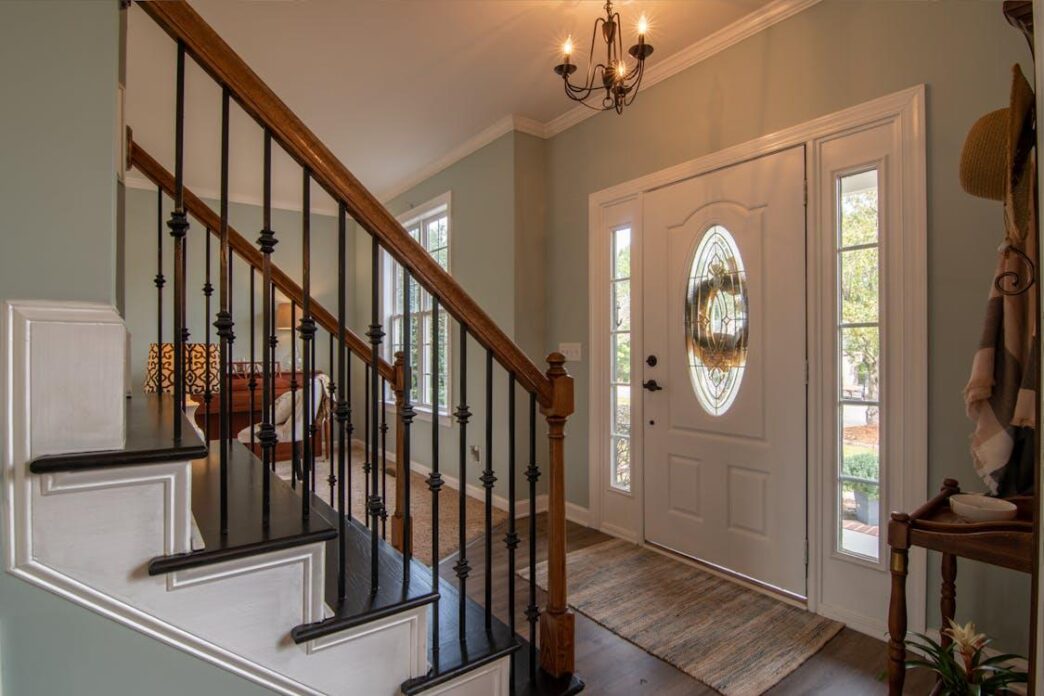
Steps and thresholds reveal their weaknesses during ordinary moments, not accidents. A foot lands slightly off-center while carrying groceries. A heel catches just enough to be noticed, then forgotten. Because balance is recovered instantly, the mind dismisses the moment.
The risk builds through repetition. The same step gets used during rushed mornings, distracted evenings, and moments when hands are full or attention is elsewhere. What feels manageable under calm conditions becomes unpredictable under pressure. The step itself has not changed, but the context has.
Many homeowners become aware of the issue only after watching someone else navigate it. A guest hesitates. A child stumbles. Suddenly, the familiar feels questionable.
Floor Wear
Flooring wears unevenly because people move unevenly. Paths form between rooms. Corners get avoided. Certain areas absorb most of the traffic while others remain untouched.
Residents adapt without noticing. Feet lift slightly higher at doorways. Steps become shortened across certain areas. Muscle memory compensates for changes that should not exist. The danger appears when someone unfamiliar with the space walks through without that adaptation. Many people only recognize the issue after a near-miss. A toe catches. A stumble breaks concentration. Addressing worn flooring often feels less like an upgrade and more like restoring fairness to movement.
Outlet Protection
Water exposure tends to get dismissed once it dries. A splash reaches an outlet, nothing happens, and the moment fades. The assumption becomes that no harm was done because no reaction occurred. The problem is not the splash itself, but the repetition. Kitchens, bathrooms, garages, and laundry areas expose electrical components to moisture regularly. Installing GFCI outlets acknowledges that reality rather than hoping it never escalates.
A common example appears in laundry rooms where outlets trip occasionally but reset easily. Many people accept the inconvenience as normal. Adding proper protection removes the interruption and quietly upgrades the safety of a space that blends water, power, and routine use.
Garage Sensors
Garage doors tend to earn trust simply by working most of the time. They open when expected, close without complaint, and fade into the background of daily life. When a sensor hesitates once, or the door reverses unexpectedly, the moment feels odd but not alarming. People wait to see if it happens again, and often it does not, at least not right away.
The problem with intermittent failures is that they train people to ignore them. A homeowner may pause for a second before driving out, just in case the door hesitates again. Someone might step a little farther back while it closes. Such small behavioral changes signal that trust has already eroded. Fixing sensors that fail occasionally restores confidence in a space that plays a key role in daily movement, storage, and security. Once the door behaves predictably again, the extra caution disappears, which is often when people realize how much attention the issue had been quietly demanding.
Window Latches
Windows occupy an interesting place in home awareness because they sit between comfort and security. A latch that no longer holds firmly does not stop a window from closing, yet it introduces doubt. People push it twice. They check it again before bed. They wonder whether it would stay closed during a storm.
These moments add up. What should be a simple action becomes something that requires confirmation. Replacing aging window latches removes that doubt entirely. The action becomes unconscious again, which is often the true measure of improvement. Safety awareness grows not through fear, but through the absence of second-guessing.
Safety awareness inside a home begins with noticing where extra attention has crept into daily life. A second glance at a latch. A careful step on a familiar stair. A habit formed around avoiding something that should work without thought. These moments reveal where the home has stopped fully supporting its occupants.