Local Know‑How That Makes a Difference
When the summer heat rolls across Whittier—shimmering off sidewalks and filling living rooms with heavy, still air—your AC isn’t just an appliance; it’s a lifeline. Fixing it fast matters, but fixing it right matters more. That’s where local expertise comes in. AC systems don’t live in a vacuum; they respond to weather patterns, air quality, and even neighborhood quirks like older electrical panels or ductwork retrofits. Technicians who work in Whittier day in and day out understand how local conditions stress components, which models thrive here, and which common failures hide in plain sight.
That kind of context isn’t a guess—it’s learned from hundreds of service calls. A professional’s familiarity shortens the path from problem to solution, cutting through noise and going straight to the fix that keeps you cool when the valley heat shows off.
Diagnostic Precision, Real‑World Results
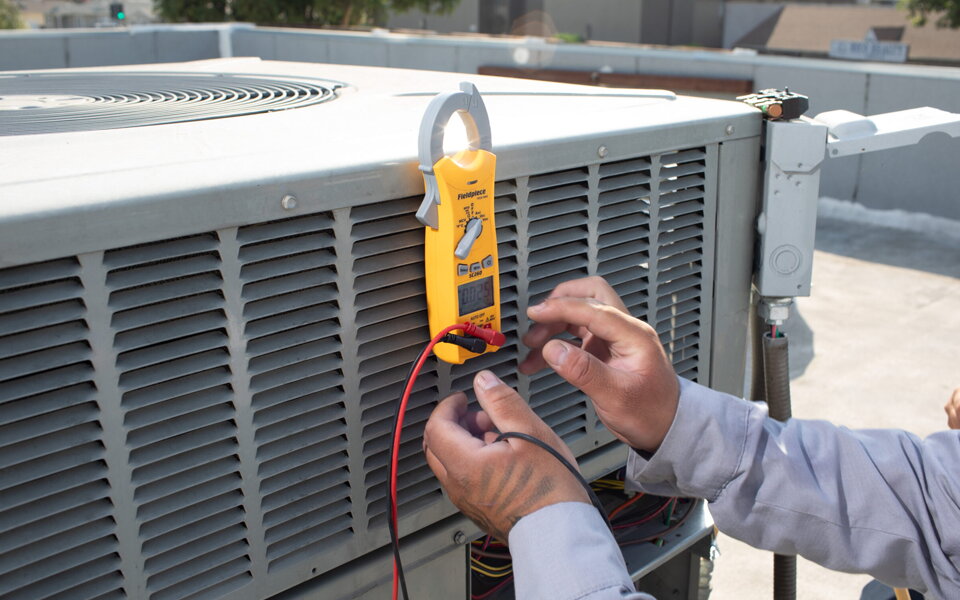
Refrigerant leak detectors, digital gauges that decode pressure anomalies, thermal imaging to find hidden hot spots, and meters that read voltage irregularities without guesswork are diagnostic tools used by pros. From sturdy older machines to ultra-efficient variable-speed systems, they contribute pattern awareness that only comes from working across brands and vintages.
Precision matters because a misdiagnosed component can create a cascade of troubles. A fan motor replaced without addressing a failing capacitor, for example, can send you right back to square one. Professionals isolate root causes, fix them in sequence, and leave you with results that last beyond the next heatwave.
Safety Isn’t Optional
Air conditioners combine high-voltage electricity, rotating parts, pressurized refrigerant, and sometimes aging wiring. That cocktail demands caution. Licensed technicians are trained to open, test, and reassemble systems safely, from lockout/tagout procedures to proper refrigerant handling and recovery. In many Whittier homes, older circuits and subpanels complicate the picture. What looks like a simple repair can turn risky without the right training and tools.
Safety isn’t just about preventing shocks or burns—it’s about protecting your home. An improper splice, a mismatched breaker, or a refrigerant mischarge can set the stage for future failures or even property damage. Professional repair builds safety into every step.
Efficiency That Pays You Back
DIY fixes can look cheaper in the moment, but inefficiency has a way of hiding in your utility bill. When a system is properly repaired—charge balanced, airflow optimized, components properly matched—it doesn’t have to work as hard to deliver the same comfort. Under Whittier’s high summer loads, that difference shows up in energy savings and fewer service calls.
Pros fix what’s broken, but they also correct what’s misaligned: dirty coils that smother performance, blown fuses that hint at deeper electrical hiccups, or duct leaks that bleed cool air into attics instead of rooms. Every small correction adds up to a smoother, cheaper, cooler summer.
Comfort You Can Count On
When cold air returns during a heatwave, compressors hum, vents whisper, and indoor temps drop from “unbearable” to “just right.” Professional service aim for that stillness. Faster diagnosis, better parts, and experience to avoid do-overs ensure your home stabilises faster and remains there.
Many reputable repair companies back their work with warranties, too. If a repaired component falters within the coverage window, you’re not starting from scratch. That peace of mind is its own kind of comfort—especially on the hottest days when every hour matters.
Protecting Your Investment and Property Value
Your cooling system is a major asset, and like any asset, how you care for it affects what you get back. Properly repaired and tuned units run longer, avoid catastrophic failures, and keep replacement budgets comfortably in the future. In a market where buyers pay attention to how a home has been cared for, a well-documented history of professional AC service reads like a green flag.
Reliable cooling also softens wear on your home itself. Stable indoor temperatures help protect finishes, flooring, and furniture from the cycles of heat and humidity that can age a space faster than you think. When your system is healthy, your home breathes easier.
What a Professional Repair Visit Typically Includes
A good service call is systematic and easy. The tech asks what you noticed, when it started, and how the system behaved before and after. The systematic examination includes thermostat verification, filter and airflow checks, interior and outdoor coil inspections, and a capacitor-to-contactor sweep. Not guessing, refrigerant pressures are measured and analysed against temperature divides.
If a part fails a test, it’s swapped with the correct, manufacturer-specified replacement—no “close enough” stand-ins that strain performance later. Connections are tightened, drains cleared, coils cleaned if needed, and the system is restarted and monitored to ensure it hits target performance. The visit ends with clarity: what was wrong, what was done, and what to watch for. Simple, transparent, effective.
The Whittier Factor: Climate, Age, and Load
Whittier summers are bold. Systems are stressed by prolonged heat, especially late in the day when roofs transfer warmth into living rooms. Older homes with retrofit ducting and legacy wiring are complex and require professional inspection. Newer constructions have distinct stressors like tight envelopes that require precise ventilation or smart thermostats that require careful setup to prevent short cycling.
Local pros learn these patterns the way a chef knows a kitchen: instinctively, practically, and with an eye for what will actually work in the moment. That’s the difference between “we’ll see” and “you’re good.”
Hidden Problems Pros Catch Early
Little flaws rarely stay minor. Dirty condenser coils increase pressure and overheat compressors. Hard starts from a weak capacitor strain motors. A partially clogged condensate line might cause safety switches and water damage at the worst time. Professionals can connect these dots and recognise early indicators before they become serious fixes.
That foresight saves time and money, but it also preserves system health. Preventing avoidable stress is how you keep today’s fix from becoming tomorrow’s replacement.
Warranty Power and Accountability
Professional repair work isn’t just a fix; it’s a promise. Reputable companies use parts with manufacturer warranties and stand behind their workmanship. If something goes sideways within the warranty period, you’re covered. That accountability is difficult to replicate with DIY or unlicensed work—and it’s a major reason homeowners sleep easier after the crew packs up.
FAQ
How fast can a professional restore cooling during a heatwave?
Response times vary, but pros diagnose quickly and often carry common parts to complete same-day repairs when possible.
Is DIY AC repair safe?
Working with high voltage and pressurized refrigerant is risky; licensed technicians are trained and equipped to handle it safely.
Will a professional repair lower my energy bills?
Yes—proper charges, clean coils, and correct parts reduce strain, helping your system use less energy for the same comfort.
Do older Whittier homes need licensed technicians?
Absolutely; aging wiring and retrofits demand careful, code-compliant work to protect your system and your home.
What tools do pros have that homeowners don’t?
Specialized gauges, leak detectors, thermal cameras, and electrical testers that pinpoint faults accurately and safely.
Are repairs typically covered by a warranty?
Professional repairs often include parts and labor warranties for a defined period; ask your technician for specifics.
How do I know if it’s time to repair or replace?
A pro will weigh age, repair history, efficiency, and current damage to recommend the most cost-effective path.
How long should a well-maintained AC last in Whittier?
With proper care and timely repairs, many systems deliver reliable service for 12–15 years or more, depending on usage and build quality.