Family connection rarely depends on grand gestures. What matters most are the small, consistent acts of attention that say, “I see you and you matter”. In busy households where schedules collide and devices dominate, time together easily becomes fragmented.
These rituals do not require extra time or special resources. What they require is intention. Setting aside recurring moments to talk, share, or simply be together creates a rhythm that holds the family steady through changing seasons.
Why Rituals Matter in Family Life
A ritual is more than a repeated action; it is an intentional pause that marks something as valuable. When families develop rituals, they create structure around connection, giving it a name, a place, and a time.
Family Dinner Night
Sharing a meal once a week around the same table can do more for family communication than many formal conversations. It offers a space to slow down, disconnect from technology, and truly listen.
Research in May 2024 found that regular family meals are associated with improved mental health among children and adults, including fewer depressive symptoms and less violent behaviour. Asking open-ended questions such as “What made you laugh today?” or “What challenged you this week?” turns dinner into an exchange of experiences rather than a routine task.
Sunday Morning Walk or Hike
Starting the week with a walk allows the family to reconnect with both nature and one another. The movement invites natural conversation, especially with children or teens who might resist more direct “sit-down” talks. It also clears mental clutter, helping everyone transition smoothly from weekend to weekday responsibilities.
Gratitude Circle
Setting aside a moment each week for everyone to share what they are grateful for cultivates awareness and empathy. Gratitude helps shift attention from what’s missing to what’s already good, fostering optimism and resilience. For younger members, it teaches the habit of recognizing kindness, effort, and beauty in everyday life.
Game Night
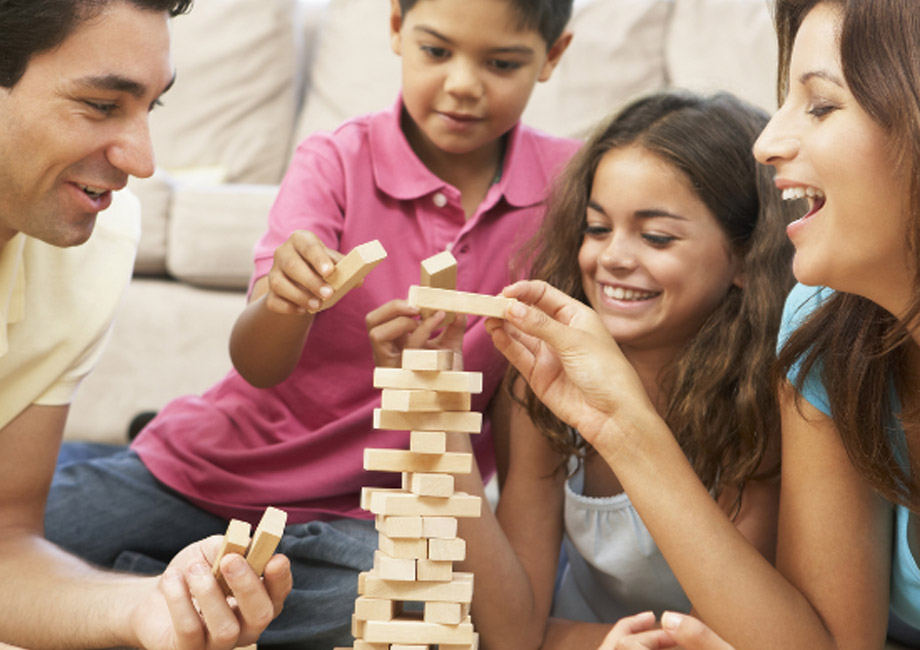
Games bring laughter, competition, and teamwork into the same space — ingredients that bond people quickly. Simple games that require interaction — whether cooperative or competitive — naturally strengthen communication and teach fairness. You can also print custom playing cards or tokens which are made of eco-friendly materials to add an extra layer of meaning, showing that family fun can also support sustainability and mindful living.
The emotional benefit is just as important. Playfulness helps families release stress and see one another in a different light. Parents get to be teammates rather than rule-enforcers, and children learn sportsmanship and patience.
Cook Together Fridays
Cooking together transforms an ordinary task into an act of collaboration. Assigning everyone a role — even the youngest — builds teamwork and accountability. It gives space for creativity, problem-solving, and humor, especially when something doesn’t go perfectly. The process itself becomes as rewarding as the meal.
Family Journal or Scrapbook
Recording weekly memories in a shared journal or scrapbook preserves the family’s evolving story. It doesn’t have to be elaborate — a few lines, a photo, or a drawing can capture the moment. Over time, these entries become a rich timeline of laughter, milestones, and subtle changes that might otherwise be forgotten.
Weekly Check-In
A short, structured check-in each week helps families stay emotionally and practically aligned. It’s a time to discuss plans, upcoming events, or issues that might need attention. Regular communication prevents misunderstandings and encourages each member to express themselves in a safe environment.
Story Night
Storytelling is one of the oldest forms of human connection. Sharing personal stories from childhood or reading together from a favorite book opens space for curiosity and empathy. It reminds children that their parents and grandparents were once young, uncertain, and full of dreams too.
Over time, this ritual builds a bridge between generations. Stories carry lessons, humor, and family identity, preserving values that formal conversations often miss. They help children understand where they come from and why certain traditions exist. More than entertainment, story night becomes a gentle act of passing wisdom forward.
Acts of Kindness Ritual
Dedicating one moment a week to kindness extends the family’s sense of connection outward. Whether it’s helping a neighbor, writing a thank-you note, or cleaning up a shared space, these gestures teach compassion through action. They show that empathy is not just a feeling but a practice that sustains communities.
When done regularly, this ritual shapes character and strengthens family values. Performing kindness together turns moral lessons into lived experiences. Children learn that care and generosity define a family as much as love within it. Each small act builds both personal integrity and a shared sense of purpose that extends beyond the home.
Making Rituals Last
The success of family rituals depends less on perfection and more on persistence. Start with one or two and keep them simple enough to repeat. Allow for flexibility — if one week doesn’t go as planned, resume without guilt. What matters is the long-term rhythm of connection, not flawless execution.
Sharing responsibility helps maintain engagement. Let different family members choose the activity or lead the ritual each week. This ownership reinforces cooperation and ensures that rituals remain relevant as children grow. When everyone contributes, the practice becomes part of the family’s identity rather than a task to maintain.
It is also useful to families to remind themselves of the benefits of such rituals. For example, a systematic review from 2024 of family routines found that routines are significantly associated with positive developmental outcomes in children. This predictability provides psychological comfort, especially for children, who thrive when they know what to expect.
Conclusion
Over time, these small weekly rituals weave into the story of who the family is. They create memories that outlast circumstances and remind each person where they belong. A family’s legacy is not defined by possessions or achievements but by the consistency of love expressed through everyday moments.
The most meaningful connections rarely come from extraordinary occasions. They are born in the repeated gestures — the dinners, the laughter, the shared walks — that quietly declare, “This is our time”. By nurturing these simple rituals, families build a legacy of attention, trust, and joy that strengthens every bond for years to come.