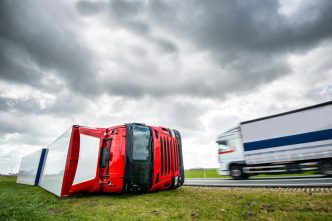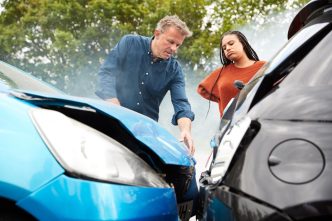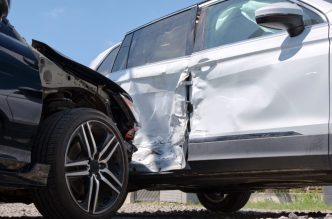
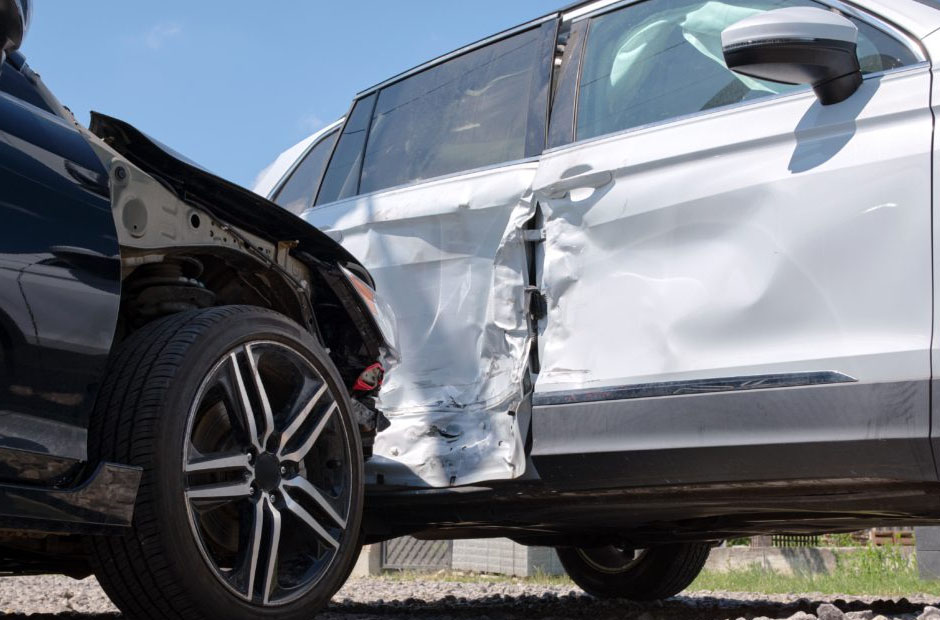
After a crash, nothing is more disheartening than hearing your insurance company declare your vehicle “totaled.” In an instant, a car you depended on — for work, for family, for daily life — is gone. While replacing a totaled vehicle is frustrating enough, most people don’t realize that this classification can significantly impact their personal injury claim as well.
In Oklahoma, the way your vehicle is evaluated, valued, and processed after a crash influences everything from your compensation to how insurers view the severity of your injuries. Understanding how “total loss” determinations work can help you protect your rights, challenge unfair valuations, and build a stronger case with guidance from experienced Oklahoma City injury lawyers who know how insurers operate and how these claims unfold.
What Does It Mean When Your Vehicle Is “Totaled”?
A vehicle is considered “totaled” when the estimated cost to repair it exceeds a certain percentage of its pre-accident value. Oklahoma uses what’s known as the “Total Loss Formula,” comparing the car’s fair market value to the combined cost of repairs and salvage. If repairs aren’t financially reasonable, the insurer declares the vehicle a total loss.
This designation can be surprising, especially when the damage looks minor. But hidden structural harm, frame damage, or high labor costs can quickly push a repair estimate past the threshold. Once totaled, the insurance company typically offers a payout based on the car’s actual cash value — not what you owe on the loan or what the car is worth to you personally.
How a Total Loss Affects Your Injury Claim
While the total-loss designation is primarily about the vehicle, it often influences the injury claim connected to the accident. A totaled vehicle can signal to insurers that the crash involved significant force — making it harder for them to argue that you weren’t hurt or that your injuries are minor.
Insurance companies frequently downplay injuries in cases where property damage looks minimal. Conversely, when your vehicle is totaled, they face a more difficult argument. Extensive damage may support claims of whiplash, spinal injuries, head trauma, or other conditions commonly disputed by adjusters.
However, high damage doesn’t guarantee an easy injury claim. Insurers may still try to separate the vehicle loss from your physical harm, especially if there were delays in seeking medical treatment or gaps in documentation.
Disputes Over Vehicle Value and How They Affect You
One of the biggest frustrations after a total-loss determination is the valuation process. Insurance companies often base the payout on market averages that don’t reflect your car’s true condition, mileage, or upgrades. If the offer is too low, the gap can create financial strain — especially if you still owe money on the vehicle.
This financial stress can spill into your injury case. Insurers may use your desperation for a quick settlement as leverage to pressure you into accepting a lower personal injury payout. Knowing the fair value of your vehicle — and challenging incorrect valuations — protects both parts of your claim.
Loan Balances, GAP Coverage, and Financial Consequences
If you owe more on your auto loan than the car is worth, you’re considered “upside down.” When your car is totaled, the insurance payout may not cover the remaining balance. This is where GAP (Guaranteed Asset Protection) insurance becomes essential. GAP coverage pays the difference between the insurance settlement and your outstanding loan.
Without GAP coverage, you may end up paying out of pocket for a vehicle you can no longer drive — all while dealing with medical expenses and lost wages from the accident. The financial burden can influence how urgently you feel the need to settle your injury claim, which is why understanding these factors early is so important.
Diminished Value Claims in Oklahoma
Some vehicles that aren’t officially “totaled” still suffer significant loss in value due to the accident. Oklahoma allows drivers to pursue diminished value claims when a repaired vehicle is worth less on the market because of its crash history.
If your car was close to being totaled or required extensive repairs, diminished value may become part of your overall case. These claims require strong evidence, expert valuation, and clear documentation — all of which can strengthen your argument for full compensation.
When Liability Complicates a Total Loss
Determining fault is always crucial in car accident cases, but it becomes even more important in total-loss situations. If another driver is responsible, their insurance should cover both your property loss and your injuries. But if liability is disputed, everything becomes more difficult.
Totaled vehicles often provide valuable evidence in proving fault. Skid marks, impact points, airbag deployment, and crush damage can all help reconstruct what happened. When insurers try to avoid responsibility, preserving this evidence is essential — especially before the vehicle is moved, stored, or sold for salvage.
Why Documentation Matters More When Your Car Is Totaled
The moments after a serious crash can be overwhelming, but the records you collect — or fail to collect — can dramatically affect your claims. Key documentation includes:
- Photos of all sides of the vehicle
- Interior damage, airbag deployment, and dashboard indicators
- Towing and storage invoices
- Repair estimates
- Medical records, even from the first evaluation
- Witness statements or police narratives
The more detailed your evidence, the harder it is for insurers to undervalue your vehicle or dispute your injuries.
Rebuilding After a Total-Loss Crash
A totaled vehicle forces you to rebuild more than just your transportation — it disrupts your routine, finances, and sense of security on the road. Understanding how total-loss classifications influence both your property and injury claims can help you avoid costly mistakes and protect your long-term recovery.
With the right guidance, you can challenge inaccurate valuations, document the full impact of the accident, and pursue fair compensation for your injuries. Total loss doesn’t have to mean total defeat — it’s the start of a process that ensures those responsible are held accountable, and that you receive the support you need to move forward.