Winter comfort starts long before the cold arrives. When temperatures drop, you want your home to protect you from harsh winds and icy nights. This becomes even more important when you live in a place known for freezing winters, like Colorado Springs, CO. A well-prepared home can cut stress, lower energy use, and prevent costly mid-season breakdowns.
This article will walk you through the home repairs you shouldn’t delay so you stay cozy all season long.
Clean and Prepare Your Chimney
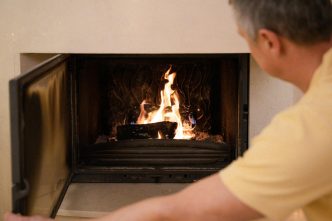
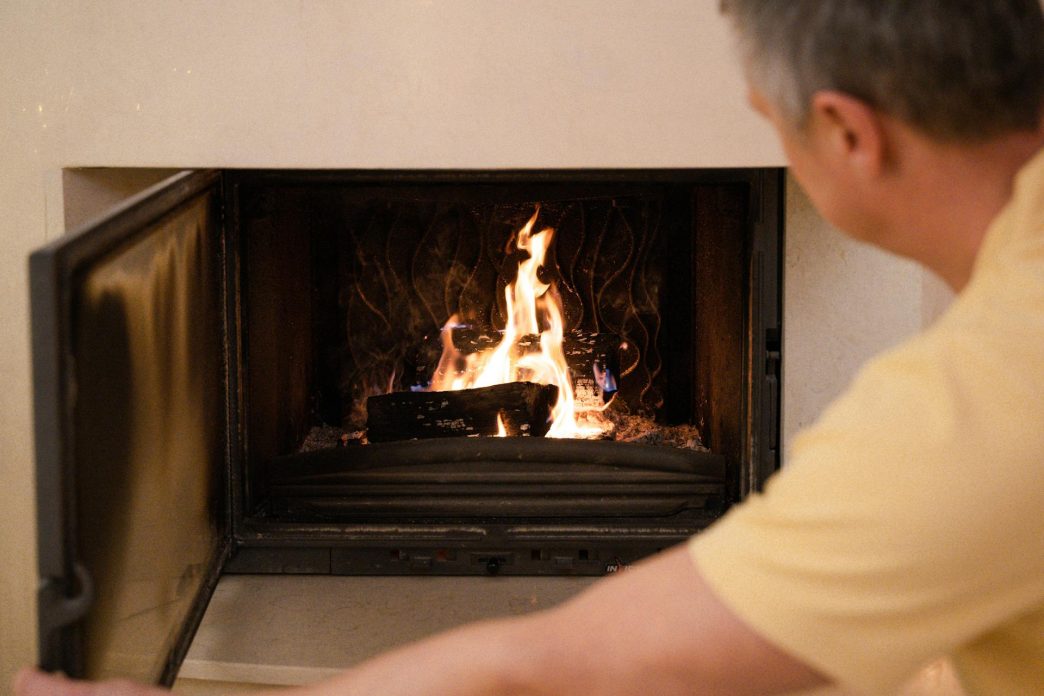
A fireplace brings comfort on cold days, but it works safely only when the chimney stays clean and clear. Over time, creosote collects along the inside walls of the chimney. This buildup becomes dangerous when left untouched because it increases the risk of chimney fires. Smoke problems also appear when blockages keep air from moving the way it should. Birds and small animals sometimes leave debris inside the chimney, which can cause smoke to push back into your living space. A professional cleaning removes these hazards and prepares the system for regular use.
Repair Your Furnace Before the Deep Freeze Hits
A dependable furnace becomes vital when winter temperatures sink, especially during the freezing January weather in Colorado Springs, CO. Your heating system needs to work without interruption when the cold reaches its peak. You can often tell that something is wrong when the furnace struggles to start, stops too soon, or warms the house unevenly. Loud noises can signal loose parts or internal strain. A burning smell may indicate dust buildup or a more serious issue, and an unexplained rise in energy bills often means the system works harder than it should. These signs help you act before a complete breakdown leaves you stuck without heat. Calling experts for furnace repair in Colorado Springs, CO, helps protect your home. Skilled technicians identify the real issue, make the right fix, and keep the unit strong through the harshest winter weeks.
Seal and Insulate Draft-Prone Areas
Cold air finds its way inside any time there are openings around doors, windows, attics, and crawl spaces. These gaps let warm air escape and force your heating system to work harder. You keep your home warmer when you seal these problem areas before winter settles in.
Weatherstripping stops drafts around moving parts like doors and windows. Caulking works well around fixed edges and areas where materials meet. Adding insulation in the attic and walls helps the entire home hold heat longer. Even small improvements create noticeable comfort and energy savings. A well-sealed home feels warmer without turning the thermostat higher, and it takes pressure off your furnace during the coldest months.
Inspect Your Roof for Weak Spots
Roofs face constant strain during winter. Snow piles up, melts, and refreezes, placing weight and moisture where it does not belong. A small roof problem grows fast when ice sits on top of it. Loose shingles let water creep underneath, and weak flashing around vents or chimneys allows moisture to seep inside. These issues create leaks that appear on ceilings and walls when you least expect them. A simple inspection before winter helps you fix small problems right away. Replacing damaged shingles and sealing weak areas keeps your roof strong through heavy snow and icy conditions. This step prevents expensive repairs and protects your home from hidden water damage.
Insulate Exposed Pipes
Exposed pipes face the most risk when temperatures fall. When the water inside them freezes, the pressure can cause the pipe to burst. A burst pipe can flood rooms, damage flooring, and create a mess that needs hours of cleanup. You can prevent this by adding insulation before the temperature drops too low. Foam sleeves, heat tape, or even simple pipe wraps make a big difference. Focus on pipes in unheated spots such as basements, garages, crawl spaces, and outdoor walls. When these areas stay cold, the pipes inside them face constant stress. Quick insulation helps you avoid the high cost of repairs and the frustration of unexpected water damage.
Fix Drafty or Worn-Out Windows
Drafty windows let cold air slip in and make your home feel colder than it should. When the warm air escapes, your heating system works overtime. This increases energy use and reduces comfort at the same time. A quick inspection can help you see what needs repair. Look for gaps around frames, cracked panes, or loose locks. If the window shows signs of age or damage that repairs cannot solve, a replacement may be the best option. Energy-efficient windows hold heat better and reduce strain on your heating system. Even small fixes can raise indoor comfort levels right away.
Service Your Water Heater
Hot water becomes even more important during winter. A water heater that struggles to keep up can affect showers, laundry, and daily routines. If the water temperature drops fast or takes too long to warm up, the heater may need attention. Rumbling sounds often mean sediment has built up inside the tank. This reduces efficiency and increases wear on the system. A quick service visit helps remove buildup, check the thermostat, and confirm everything works as it should. Regular care keeps the heater running well and reduces the chance of losing hot water during the coldest days of the season.
Clean and Protect Your Gutters
Gutters guide water away from the house. When they fill with leaves or debris, water collects, freezes, and forms ice dams. These ice formations stop proper draining and push water under shingles. This can damage the roof or allow moisture to reach ceilings and insulation. Cleaning gutters before winter is a simple step that prevents many problems. Check for sagging areas, loose nails, or sections that tilt in the wrong direction. If needed, install gutter guards to reduce buildup. Clean gutters keep water flowing where it should, even when winter storms bring snow and ice.
A comfortable winter starts with taking action before the serious cold arrives. When you handle these repairs early, your home stays warm with fewer surprises and fewer interruptions to your daily life. These simple steps support a safer, smoother season and give you confidence that your home is ready for whatever winter brings.