

Dry shampoo has become one of the most relied-upon tools in modern hair care. It offers a quick refresh on busy mornings, extends the time between washes, and helps hair look presentable when schedules don’t allow for a full routine. For many people exploring smarter hair habits, incorporating products like dry shampoo feels like a simple upgrade. Options such as Amika Perk Up dry shampoo have gained popularity for their ability to absorb excess oil while maintaining a lightweight feel, making them an appealing choice for everyday use. Yet despite its convenience, dry shampoo is often misunderstood, and small mistakes can limit its benefits or even work against healthy hair goals.
Understanding how to use dry shampoo correctly is just as important as choosing the right formula. Below are some of the most common missteps people make, along with practical ways to fix them.
Using Too Much Product at Once
One of the most frequent mistakes is applying too much dry shampoo in a single use. While it may seem logical to spray generously to absorb oil faster, overapplication often leaves hair looking dull, heavy, or chalky. Instead of refreshing the scalp, it can create buildup that is difficult to brush out.
A better approach is to start with a small amount, focusing on the areas where oil is most noticeable. Giving the product time to absorb before adding more allows it to work as intended without overwhelming the hair.
Applying Dry Shampoo Too Close to the Scalp
Spraying dry shampoo directly onto the scalp from a very short distance can lead to uneven coverage and visible residue. This is especially noticeable on darker hair tones, where powder buildup stands out more clearly.
Holding the product several inches away helps distribute it evenly across the roots. This allows the formula to absorb oil gradually and blend more naturally into the hair once brushed or massaged in.
Using Dry Shampoo as a Replacement for Washing
Dry shampoo is designed to extend the time between washes, not replace traditional cleansing entirely. Relying on it for too long without washing can lead to product buildup, clogged follicles, and scalp discomfort.
To maintain healthy hair, dry shampoo should be part of a balanced routine that includes regular washing with shampoo and conditioner. This ensures that oil, sweat, and styling residue are properly removed over time.
Ignoring Application Timing
Many people apply dry shampoo right before leaving the house, expecting instant results. While it does work quickly, most formulas perform better when given a bit of time to absorb oil fully.
Applying dry shampoo a few minutes before styling, or even before bed, allows it to work more effectively. This approach often results in better texture, less residue, and longer-lasting freshness.
Skipping Proper Blending
Dry shampoo needs to be blended into the hair to look natural. Skipping this step can leave visible patches or powdery roots that draw attention rather than disguise oil.
After application, gently massaging the roots or brushing through the hair helps distribute the product evenly. This not only improves appearance but also enhances volume and movement.
Using the Same Dry Shampoo for Every Hair Need
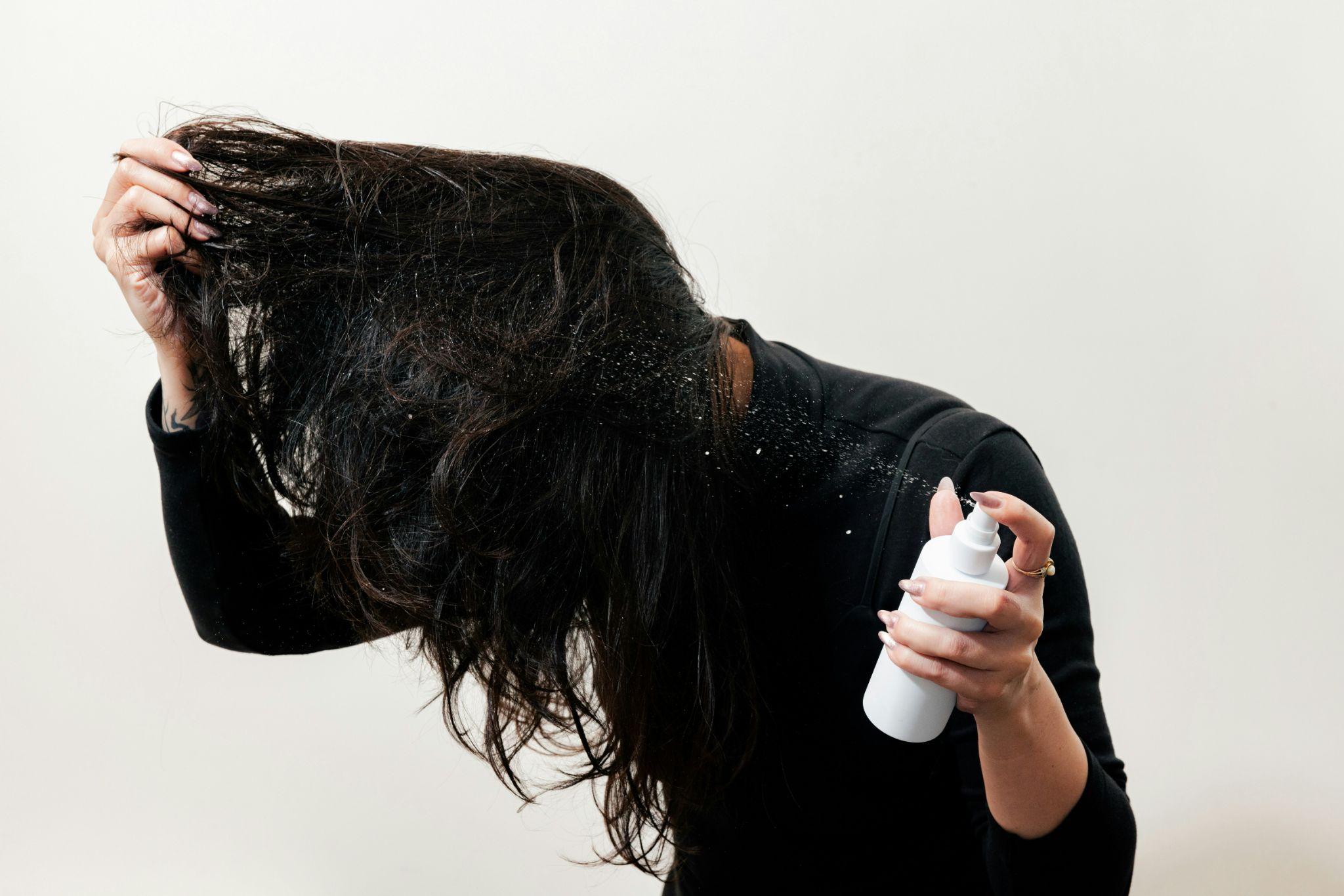
Not all dry shampoos serve the same purpose. Some are designed primarily for oil absorption, while others add texture or volume. Using one formula for every situation may lead to disappointing results.
Understanding what your hair needs on a given day makes a difference. On days when volume is the goal, a lightweight texturizing option may work best, while oil-absorbing formulas are more effective for refreshing greasy roots.
Dermatology experts emphasize moderation when using styling and cleansing products on the scalp, noting that excess residue can interfere with natural oil balance and overall scalp health, as outlined by the American Academy of Dermatology.
Forgetting the Bigger Hair Care Picture
Dry shampoo works best when combined with thoughtful hair habits. Excessive heat styling, infrequent washing, or neglecting scalp health can all reduce its effectiveness over time.
For readers who are also exploring broader hair care habits, like keeping color-treated strands vibrant or choosing shampoos that are kind to delicate fibers, Baronton’s How to Maintain Red Wigs so the Color Stays Vibrant offers practical insight into gentle cleansing choices and care routines that support long-lasting results.
Making Dry Shampoo Work for You
Dry shampoo is most effective when treated as a supportive tool rather than a shortcut. With mindful application and realistic expectations, it can help maintain freshness, reduce styling stress, and simplify busy schedules.
By avoiding these common mistakes, dry shampoo becomes a reliable part of a healthy shampoo and conditioner routine. Used correctly, it supports cleaner-looking hair, better texture, and a more confident approach to daily grooming without replacing the fundamentals of proper hair care.