Key Takeaways:
- Understanding the primary causes of drain clogs can help prevent them effectively.
- Simple household practices can significantly reduce the risk of blockages.
- Regular maintenance and mindful disposal habits are essential for a clog-free plumbing system.
Introduction
Clogged drains are a persistent nuisance for homeowners, often occurring when least expected and causing unpleasant disruptions. While the problem might surface overnight, clog formation is usually a slow process, driven by everyday habits and overlooked warning signs. Whether it’s a slow-draining sink or a backed-up shower, knowing how to avoid and remedy blockages is essential for household maintenance. If you’re facing stubborn drainage issues, professional clogged drain repair can restore flow and prevent costly water damage.
Understanding the root causes of these blockages and adopting practical solutions not only keeps drains free-flowing but also helps extend the lifespan of your home’s plumbing system. Staying proactive with prevention and routine checks is crucial for homeowners who want peace of mind and fewer emergencies.
This guide addresses the most common household drain clog sources and highlights effective solutions you can implement right away. With attention to detail and the right approach, most blockages can be avoided or handled with minimal fuss, protecting both your plumbing and your budget.
1. Hair Accumulation
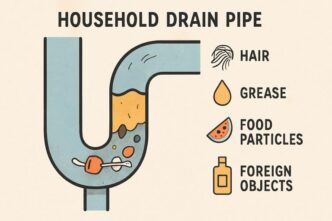
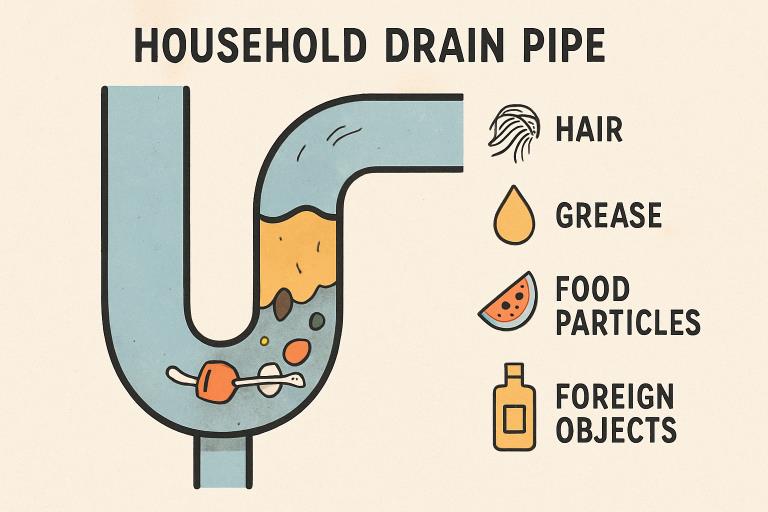
Hair is one of the most frequent contributors to clogs, especially in bathroom sinks, showers, and tubs. Over time, individual strands bond with soap residue and other debris, forming tough clumps that restrict water flow and cause slow drainage or standing water.
Preventive Solution
To minimize hair getting into drains, install mesh drain guards or strainers. These simple devices catch hair before it enters your plumbing system, making disposal easy and preventing buildup. Clean the drain covers frequently to keep them effective.
2. Grease and Fat Buildup
Rinsing grease, oils, or liquid fats down the kitchen sink is a common but harmful mistake. As these substances cool in pipes, they solidify and adhere to the pipe walls, gradually narrowing the passage and attracting additional particles. This process can eventually result in a stubborn, hard-to-remove clog that sometimes requires professional intervention. For guidance on safely disposing of fats, oils, and grease, USA Today offers practical tips to help prevent plumbing problems and protect your home’s plumbing system.
Preventive Solution
Pour used grease or cooking oil into a container, let it cool and solidify, and then throw it in the trash. Many communities offer cooking oil recycling programs to help dispose of large amounts of cooking oil responsibly. Wipe greasy pots and pans with a paper towel before washing them in the sink to reduce residual oil.
3. Soap Scum and Hard Water Deposits
Soap residue can combine with the minerals in hard water to form a buildup—commonly known as soap scum—that sticks to the insides of pipes. This sticky mass reduces drainage capacity, often leading to persistent foul odors and frequent blockages, particularly in older homes.
Preventive Solution
Switch to liquid soap or soap-free cleansers to reduce soap scum formation. Installing a water softener will help prevent mineral buildup by removing calcium and magnesium ions from the water supply, maintaining clearer pipes and better flow throughout the system.
4. Food Waste
Kitchen sinks and garbage disposals are not designed to handle all types of food waste. Items like eggshells, coffee grounds, starchy pasta, and fibrous vegetable peels tend to clump together or get caught in disposal blades, leading to persistent blockages that require attention beyond casual plunging. According to Homes & Gardens, even pouring boiling water down drains in winter can be risky, as sudden temperature changes may damage pipes and worsen clogs.
Preventive Solution
Dispose of unsuitable food waste in the trash or designate a compost bin for safe organic recycling. Garbage disposals should only be used for small, soft scraps. Always run plenty of cold water when operating the disposal to help flush particles through the pipes efficiently.
5. Foreign Objects
One of the leading causes of clogged toilets and bathroom drains is flushing inappropriate items, such as wipes, sanitary products, cotton swabs, and paper towels. Unlike toilet paper, these items do not break down quickly and can easily create stubborn clogs deep within a home’s main sewer line.
Preventive Solution
Educate everyone in your household: Only toilet paper and human waste should be flushed. Provide small wastebaskets in each bathroom for disposal of all other items to minimize risk to your plumbing.
6. Tree Root Intrusion
Tree roots are surprisingly adept at seeking out moisture—even the most minor hairline crack or gap in a sewer pipe can attract them, which grow into the pipe and eventually fill it, blocking the flow and causing significant damage to the system.
Preventive Solution
Schedule professional sewer inspections if you suspect slow drainage or smell unusual odors in your yard. Early intervention can prevent severe root intrusion. Consider installing root barriers and planting trees with non-invasive root systems far from sewer lines.
7. Mineral Buildup
In areas with hard water, calcium and magnesium minerals can gradually accumulate in plumbing pipes. Over time, this reduces water flow, increases internal pressure, and makes your system more susceptible to complete clogs and leaks.
Preventive Solution
Water softeners remove excess minerals, helping increase pipe longevity and efficiency. Homes with persistent hard water should have their pipes periodically checked for scale buildup and flushed when necessary.
8. Regular Maintenance and Professional Inspections
Vigilant, regular care is the best way to avoid sudden blockages and expensive repairs. Pay attention to slow drains, gurgling sounds, or unusual smells—all early warning signs of impending problems.
Preventive Solution
Practice routine drain cleaning by pouring a mixture of baking soda and vinegar down your drains, then flushing with hot water. This simple technique can help clear minor buildup and keep pipes odor-free. For persistent or recurring issues, enlist a licensed plumber for a comprehensive inspection and deep cleaning.
Conclusion
Maintaining healthy household drains is all about combining good habits with preventive action. By understanding the most likely sources of clogs and implementing these practical solutions, you can minimize disruptions, protect your plumbing investment, and enjoy a worry-free home environment. Make regular drain care part of your routine, and consult professionals for issues beyond simple fixes to keep your entire plumbing system running smoothly.