That persistent musty smell in the basement or the slight warping of your floorboards might seem like minor issues, but they could be signs of a much larger problem: hidden water damage. Unlike an obvious flood or a major pipe burst, this type of damage happens slowly and out of sight, often within walls or under floors. By the time you notice it, significant structural issues and mold growth may have already taken hold.
Common Causes of Hidden Water Damage
Hidden leaks can originate from various sources, often in places you don’t check regularly. Staying aware of these potential culprits is the first step in preventing long-term damage.
Leaky Pipes
Pipes run throughout your home, hidden behind drywall and under floorboards. A tiny, slow leak in a plumbing line can go unnoticed for months or even years. These leaks might be caused by corrosion in older pipes, loose fittings, or high water pressure. The consistent dripping saturates insulation, wood studs, and drywall, creating a perfect environment for mold and rot.
Failing Appliances
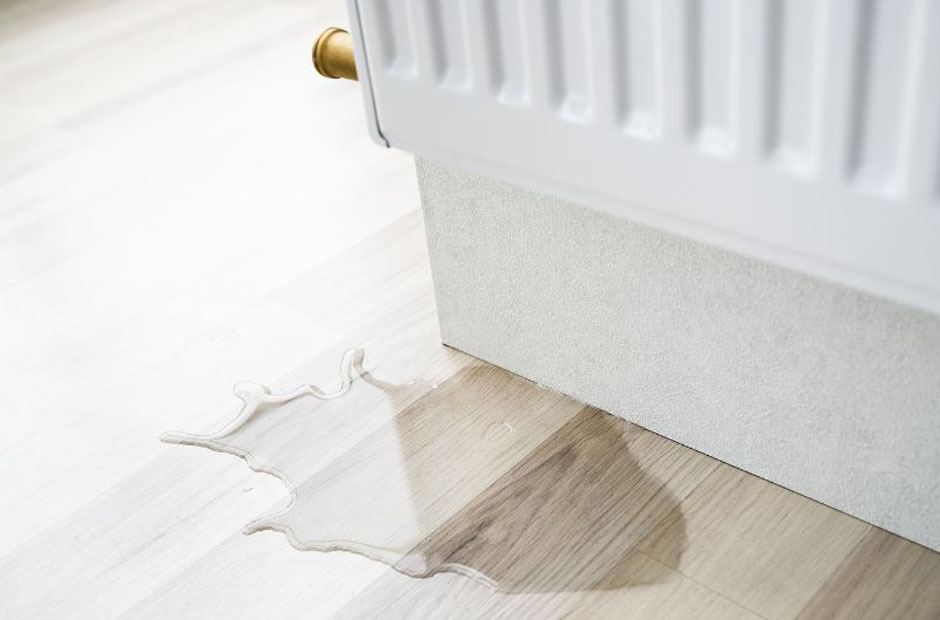
Household appliances connected to a water line are another frequent source of hidden leaks. Washing machines, dishwashers, refrigerators with ice makers, and water heaters can all develop slow leaks from worn-out hoses or faulty connections. Since these appliances are often tucked away in laundry rooms, kitchens, or basements, a small puddle underneath can easily be missed until serious damage has occurred.
Roof and Gutter Issues
Your roof is the first line of defense against the elements, but it’s not invincible. Damaged or missing shingles, deteriorated flashing around chimneys and vents, and ice dams in the winter can allow water to seep into your attic and trickle down into your walls and ceilings. Clogged gutters can also cause water to overflow and run down the side of your house, eventually finding its way into the foundation or behind siding.
Foundation Cracks
Cracks in your home’s foundation can be a direct gateway for groundwater, especially after heavy rain or snowmelt. Hydrostatic pressure can force water through even the smallest fissures in the concrete, leading to a damp basement or crawl space. This moisture can then travel up into the subfloor and wall cavities, causing widespread damage over time.
Signs to Watch For
Because you can’t see the leak itself, you have to rely on other clues. Pay close attention to any changes in your home’s environment, as these subtle signs are often your earliest warnings.
- Musty Odors: A persistent, earthy, or musty smell is one of the most common indicators of mold and mildew, which thrive in damp, dark places. If you notice this odor in a specific room or area, it’s a strong signal that there’s moisture hiding somewhere nearby.
- Discoloration and Stains: Yellow or brown stains on ceilings and walls are a classic sign of water damage. These stains appear as the water soaks through the drywall and brings minerals and dirt with it.
- Changes in Wall or Ceiling Texture: Look for peeling, bubbling, or cracking paint or wallpaper. Moisture can cause these materials to detach from the surface underneath. You might also notice that a wall or ceiling feels soft or spongy to the touch.
- Warped or Buckling Flooring: If you have hardwood or laminate floors, you might see boards that are cupping (edges are higher than the center), crowning (center is higher than the edges), or separating. For vinyl or linoleum, look for bubbling or soft spots.
- Visible Mold: While much of the mold may be hidden, you might spot some growth on baseboards, in the corners of rooms, or around vents. It can appear as black, green, or white specks and often has a fuzzy texture.
How to Detect Hidden Water Damage
If you suspect you have a hidden leak but can’t find the source, there are several methods you can use to confirm your suspicions before calling in a professional.
Use a Moisture Meter
A moisture meter is a handheld device that can measure the moisture content of various materials. There are two main types: pin-type meters, which have two small prongs you insert into the material, and pinless meters, which use an electromagnetic sensor to read moisture levels below the surface. By testing an area you suspect is wet and comparing it to a dry area, you can determine if excess moisture is present.
Check Your Water Meter
A simple way to check for a hidden plumbing leak is to use your water meter. First, make sure all water-using appliances and faucets in your home are turned off. Then, go check your water meter and write down the reading. Wait for an hour or two without using any water, and then check the meter again. If the reading has changed, you likely have a leak somewhere in your system.
Professional Inspection
When in doubt, the most reliable way to find and assess hidden water damage is to hire a professional. Restoration experts have advanced tools, such as thermal imaging cameras and borescopes, that can see behind walls and under floors without causing damage. They can pinpoint the exact location of the leak, determine the extent of the damage, and recommend the best course of action. For complex situations, specialized water damage services like those in Salt Lake City can provide comprehensive solutions.
Tips for Prevention
An ounce of prevention is worth a pound of cure, especially when it comes to water damage. Regular maintenance can save you from expensive and stressful repairs down the line.
- Inspect and Maintain Appliances: Regularly check the hoses and connections on your washing machine, dishwasher, and refrigerator. Replace any hoses that look brittle, cracked, or worn.
- Know Your Plumbing: Periodically inspect visible pipes under sinks and in the basement for any signs of corrosion or moisture. If your home has older plumbing, consider having it inspected by a professional.
- Keep Gutters Clean: Clean your gutters at least twice a year to ensure water is properly diverted away from your home’s foundation.
- Maintain Your Roof: Have your roof inspected every few years, especially after major storms, to catch any potential issues like missing shingles or damaged flashing.
- Monitor Your Water Bill: An unexplained spike in your water bill is often the first sign of a hidden leak. Pay attention to your monthly usage and investigate any sudden increases.
Conclusion
Hidden water damage is a serious threat that should never be ignored. By understanding its causes, recognizing the signs, and taking proactive steps for prevention, you can protect your home’s structural integrity and ensure a safe, healthy environment for your family.