A home workshop does not need to be large to be effective. Many people work out of garages, spare rooms, basements, or small corners of their homes. In limited spaces, safety depends less on square footage and more on how thoughtfully the space is organized and used.
With the right layout, lighting, and tool choices, even a compact workshop can support hands-on projects without unnecessary risk.
Start With Clear Zones, Not More Space
One of the biggest safety issues in small workshops comes from overcrowding. Rather than trying to fit everything everywhere, it helps to define simple functional zones.
A clear work surface, a designated storage area, and an unobstructed movement path make a noticeable difference. When tools and materials stay out of walking areas, it becomes easier to focus on the task at hand and reduce the chance of accidental contact or trips.
Prioritize Lighting Before Expanding Equipment
In tight spaces, poor lighting increases risk quickly. Shadows and uneven brightness make it harder to judge distances and notice small details, especially during cutting, fastening, or assembly work.
Good overhead lighting combined with focused task lights improves visibility and reduces eye strain. Portable lights are especially useful in small workshops because they can be repositioned as projects change.
Choose Tools That Match the Scale of the Space
Tool selection plays a critical role in workshop safety when space is limited. Oversized or overly aggressive tools are harder to control in tight areas and often require awkward body positioning.
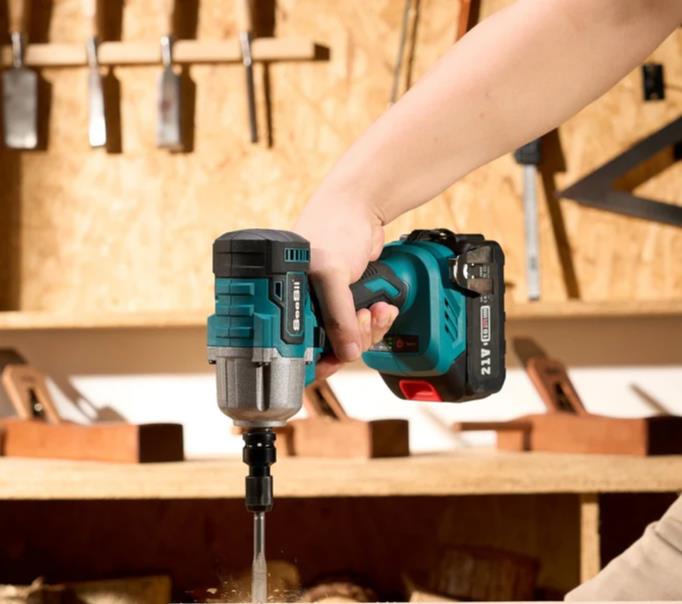
In contrast, tools designed to deliver controlled power help maintain stability and predictability. For example, when working on equipment maintenance, furniture assembly, or automotive fasteners, a compact impact wrench can reduce physical strain while improving consistency. By delivering torque efficiently without requiring excessive manual force, it allows tasks to be completed with better control—an important advantage in small garages or confined work areas.
When tools work with the space rather than against it, projects move more smoothly and safely.
Store Tools Vertically to Keep the Floor Clear
Floor space is one of the most valuable resources in a small workshop. Leaving tools on the ground quickly creates hazards.
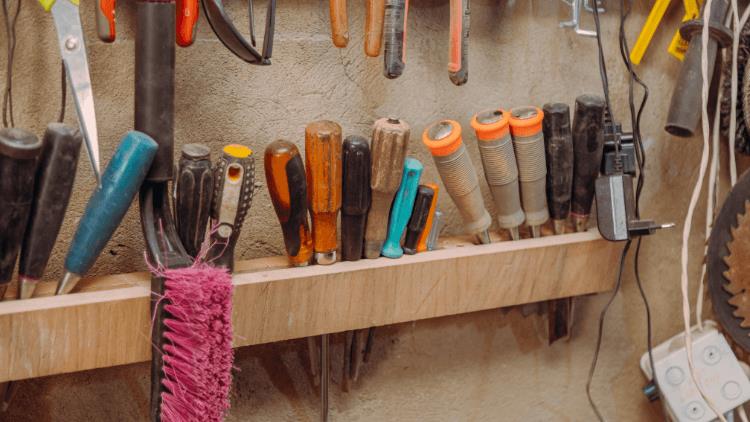
Wall-mounted storage such as pegboards, racks, and shelves keeps tools accessible without blocking movement. Frequently used tools should be stored within easy reach, while heavier items are best kept lower for stability.
Maintain Clear Movement Paths
Even in compact workshops, there should always be a clear path between the entrance, the work surface, and storage areas.
Cords, hoses, and loose materials should never cross walking paths. Routing cables along walls or overhead helps prevent trips and allows you to step back safely when adjusting tools or materials.
Manage Dust, Debris, and Noise
Limited spaces concentrate dust and debris more quickly than larger workshops. Regular cleanup helps maintain visibility and reduces the buildup of fine particles.
Wearing appropriate protective gear becomes even more important in enclosed areas. Noise also feels more intense in smaller rooms, so limiting exposure time and using hearing protection helps reduce fatigue and long-term strain.
Keep Emergency Access Simple
Basic emergency preparedness matters, even in a home workshop. First aid supplies should be easy to reach, and power shutoff points should never be blocked.
Simple habits, such as unplugging tools when not in use and storing accessories properly, reduce risk and keep the workspace predictable.
Build Safe Habits Along With the Setup
A safe workshop is not defined only by layout or equipment. Consistent habits matter just as much.
Returning tools to storage, clearing the work surface after each session, and avoiding rushed work all help maintain control in a small space. When clutter builds up, limited workshops become unsafe quickly.
Final Thoughts
Limited space does not have to limit safety or productivity. With clear organization, proper lighting, and tools that match the scale of the workspace, a small home workshop can support a wide range of projects.
Focusing on control, visibility, and thoughtful tool use creates an environment where hands-on work feels confident and manageable, regardless of how much space is available.