Key Takeaways
- Implementing scalable and flexible network solutions is crucial for business growth.
- Integrating AI and automation enhances network performance and security.
- Regularly updating network infrastructure ensures compatibility with emerging technologies.
As businesses race to keep up with digital transformation, future-proofing network infrastructure has become a strategic imperative. Organizations that anticipate technological change and expanding operational needs are better equipped to thrive in a competitive landscape. Scalable, modern network architecture is crucial for reliability, resiliency, and the ability to quickly adapt to market demands. Exploring solutions like MetTel’s managed network solutions can help businesses streamline this journey, ensuring their networks are ready for both current and future demands.
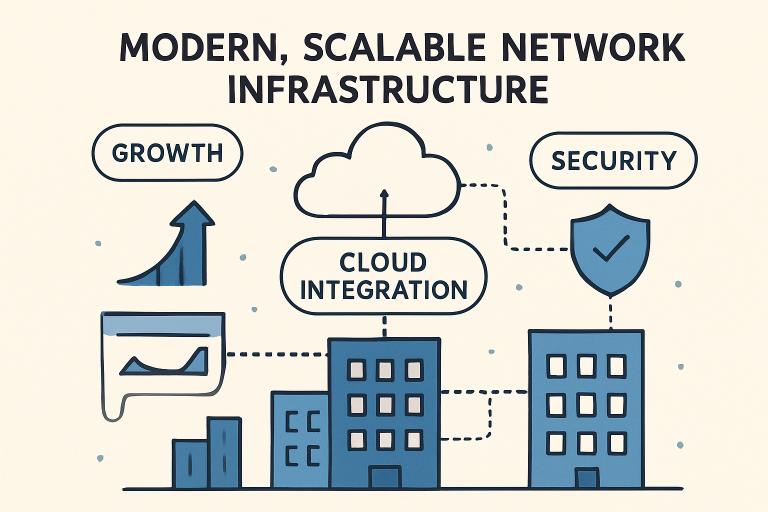
Robust networks form the backbone of modern enterprises. An inflexible or outdated system can stifle growth, while proactive approaches enable seamless integration of next-gen technologies and enhanced security. From leveraging automation to onboarding cloud-based services, future-proofed infrastructures enable organizations to focus on innovation and customer needs, rather than bottlenecks or breakdowns.
The stakes are high: a modern network that’s both resilient and adaptive directly impacts productivity, customer satisfaction, and security posture. Building this kind of infrastructure starts with a holistic understanding of the trends shaping enterprise IT—from artificial intelligence and edge computing to advanced monitoring and staff development.
Following a roadmap that incorporates these elements ensures businesses stay ahead of disruptions and technical obsolescence. By taking action now, leaders can lay the groundwork for sustained growth and digital transformation.
Implementing Scalable Network Solutions
Business expansion inevitably brings new devices, increased traffic, and growing layers of complexity. Scalable network solutions, such as Software-Defined Networking (SDN), provide the flexibility to meet these demands. SDN enables organizations to decouple network management from physical hardware, allowing for dynamic allocation of resources and rapid configuration changes. SDN has become a cornerstone for companies aiming to future-proof their infrastructure, thanks to its ability to centralize control and streamline operations. By adopting SDN, organizations gain visibility, faster deployment, and simplified troubleshooting—key ingredients for staying agile as needs evolve.
Integrating AI for Enhanced Performance
Artificial Intelligence is revolutionizing network management on multiple fronts. AI-powered systems can monitor, analyze, and respond to traffic anomalies in real-time, reducing downtime and preempting potential performance issues. Automated troubleshooting and predictive analytics swiftly identify emerging issues, keep networks secure and responsive, and allow IT teams to focus on strategic projects. Gartner highlights the importance of self-optimizing networks driven by AI in reducing operational costs and minimizing human error, proving essential for future-ready IT environments.
Regularly Updating Network Infrastructure
Staying on the leading edge of technology requires an ongoing commitment to network updates and maintenance. Regular assessments and upgrades of both hardware and software keep systems robust, secure, and compatible with the latest advancements. Beyond performance gains, this approach protects against vulnerabilities that can result from outdated infrastructure. Scheduling routine maintenance enables organizations to plan for strategic growth, mitigate risks, and maximize returns on technology investments.
Enhancing Security Measures
As cyber threats escalate in sophistication and frequency, advanced security protocols must be woven into the very fabric of network design. AI-driven intrusion detection and automated response mechanisms provide round-the-clock monitoring, empower rapid containment of threats, and facilitate compliance with evolving regulations. Automated compliance reporting not only reduces the administrative burden but also ensures organizations are audit-ready. Businesses embracing these technologies are seeing measurable decreases in security incidents and downtime, underscoring the value of intelligent, adaptive defense strategies.
Seamless Cloud Integration
Cloud adoption offers businesses enhanced scalability and flexibility. However, integrating cloud services seamlessly with existing infrastructure is crucial for optimal performance. Modern network strategies favor direct, secure access paths that bypass congestion and reduce latency. Intelligent routing technology dynamically finds the fastest and safest routes for data, enabling global collaboration and consistent user experiences across locations. Investing in seamless cloud integration future-proofs an organization’s digital ecosystem, allowing it to expand into new markets effortlessly.
Leveraging Edge Computing
With the explosion of data from IoT devices, processing information closer to its source is increasingly valuable. Edge computing enables real-time analytics and significantly reduces transmission latency, which is crucial for applications spanning from autonomous vehicles to industrial automation. Deploying edge solutions decreases the load on central servers, enhances user experiences, and ensures business-critical applications maintain speed and reliability. Enterprises that capitalize on edge strategies will enjoy competitive advantages in areas requiring split-second decision-making. The Forbes Business Development Council outlines how edge approaches are transforming industries and creating new operational efficiencies.
Investing in Staff Training
Advanced network technologies are most effective when managed by well-trained staff. Continuous professional development ensures IT teams are prepared to handle rapidly evolving platforms and security challenges. Training fosters a culture of innovation and equips employees to proactively implement best practices, troubleshoot issues, and maximize the value of new investments. Organizations can partner with industry leaders and pursue certifications to maintain a knowledge edge.
Utilizing Advanced Monitoring Tools
Proactive network monitoring is crucial for preventing downtime and ensuring service quality. Advanced performance tools offer real-time visibility into all network layers, alerting teams to potential issues before they escalate. These insights drive strategic decisions about capacity planning and modernization. Progressive organizations leverage analytics from these tools to inform network expansion, identify bottlenecks, and justify upgrades. Real-time monitoring is now recognized as a best practice in building highly available, future-ready infrastructure.
Future-proofing network infrastructure is a continuous journey. Organizations that prioritize scalable design, AI integration, cutting-edge security, and ongoing training will be positioned to adapt to whatever tomorrow brings—making them more resilient, responsive, and ready for sustained growth.